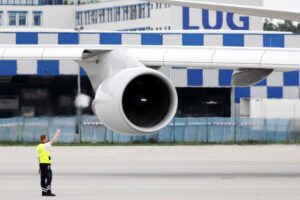









Air cargo traffic will double by 2045 and the global freighter fleet will exceed 4,000 aircraft. This is the forecast outlined in Boeing's World Air Cargo Forecast 2026, the manufacturer's 20-year outlook, updated every two years and presented on 28 October 2026 in Miami during TIACA's Air Cargo Forum. Boeing expects air cargo growth to outpace the global economy and international trade over the long term, with flows involving Asia accounting for around 60% of the market. The forecast follows a record year: in 2025, air cargo traffic reached an all-time annual high, increasing by almost 5% compared with 2024 despite trade volatility and geopolitical tensions. Growth was driven by e-commerce, direct-to-consumer sales and demand for high-tech products. According to IATA, more than 70% of AI-related goods were transported by air in 2025. Boeing expects urgent shipments of equipment for artificial intelligence and advanced manufacturing to support further growth, alongside supply chain diversification, which is prompting airlines to adapt their networks to new trade routes and geopolitical disruptions. Air cargo, typically comprising perishable, time-sensitive and high-value goods, accounts for less than 1% of global trade by volume but around one-third by value.
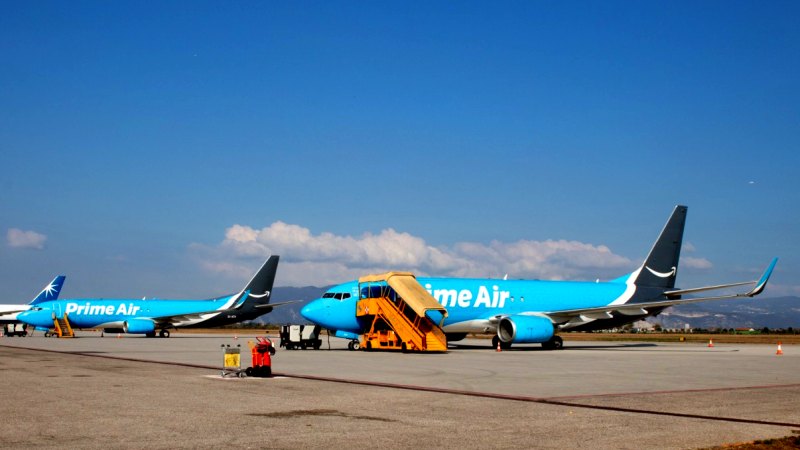
Against this backdrop, Boeing forecasts that the global freighter fleet will grow by 67%, from 2,395 aircraft in 2025 to 4,010 in 2045. Operators will therefore require 2,930 aircraft, including newbuilds and conversions: approximately 55% of deliveries will provide additional capacity, while the remaining 45% will replace older, less efficient aircraft. Two-thirds will be passenger aircraft converted into freighters, while 930 will be newly manufactured aircraft, representing 2% of the 43,625 commercial aircraft deliveries projected by Boeing in its Commercial Market Outlook 2026. The same report indicates that freighters, although accounting for less than 8% of the commercial aircraft fleet, will carry around 55% of air cargo traffic, in line with their historical share measured in tonne-kilometres.
A.M.B.