





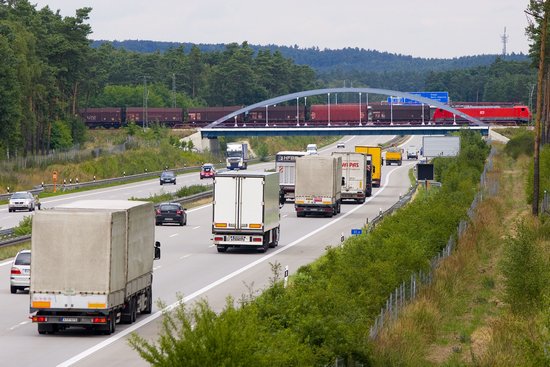
Lower administrative burdens for rail and road operators active in Germany: this is the aim of the legislative and regulatory package, called Bürokratie-Abbau im Verkehr, prepared by the Bundesministerium für Digitales und Verkehr (German Federal Ministry for Digital and Transport, Bmdv). The initiative is part of the broader federal agenda to simplify infrastructure and transport procedures, a policy strand that in recent years has produced instruments such as the Infrastruktur-Zukunftsgesetz (Infrastructure Future Act), and responds to long-standing demands from the main industry associations. The aim is to reduce so-called paperwork, namely paper documentation and formal checks regarded as not directly linked to safety or interoperability, thereby freeing up administrative resources for activities considered more urgent, including targeted inspections, infrastructure planning and safety management. The package has already been included among the legislative procedures of the 20th federal legislative term, with the first drafts published for consultation with industry associations.
For the rail sector, the package provides for amendments to five laws and five ordinances. The main text being revised is the Allgemeines Eisenbahngesetz (General Railway Act, Aeg), the framework law governing railway operations in Germany. The changes are intended to streamline authorisation procedures, make the management of minor infrastructure changes more flexible and reduce documentation and reporting obligations where these have no direct impact on safety or system interoperability. This is a procedural simplification that does not affect technical standards, but should shorten response times for the competent authorities and reduce the bureaucratic burden on railway companies.
For road freight transport, the measure addresses documentation obligations and the frequency of some checks that sector companies have long described as redundant. Here too, the Bmdv makes clear that the review does not affect road safety standards. Some of the measures also concern procedures linked to the motorway toll system, the Maut, in particular the extension of the exemption for zero-emission vehicles, and simplifications in access to certain relief measures, with the aim of making relations between companies and the transport administration easier.
The drafts prepared by the ministry, the so-called Referentenentwürfe, have already received comments from associations during the consultation phase. The texts must now be turned into draft laws and ordinances for approval by the Federal Government, before being submitted for examination by the Bundestag and Bundesrat, the two chambers of Parliament. At this parliamentary stage, however, the contents may still undergo substantial changes compared with the versions initially circulated. Transport associations see the package as a concrete response to long-standing demands, such as reducing formal obligations and eliminating duplication in checks, but stress that it is only one of the steps needed to strengthen the competitiveness of German logistics over the long term. The sector is now waiting to see whether, and to what extent, the contents of the package will emerge intact from the parliamentary process.
P.R.