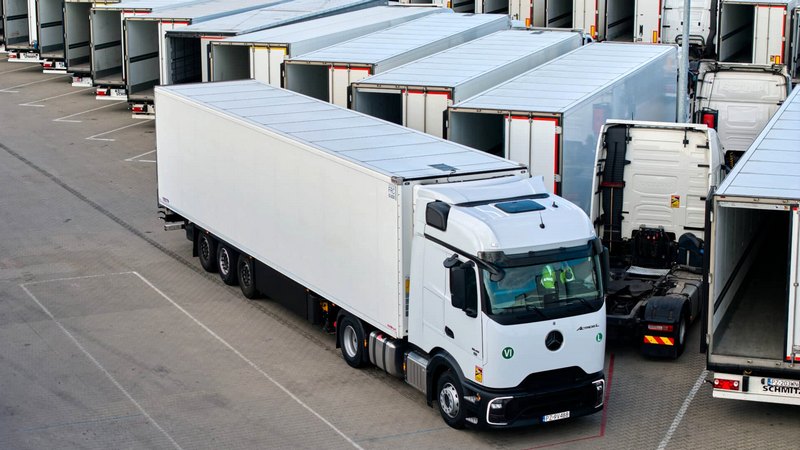



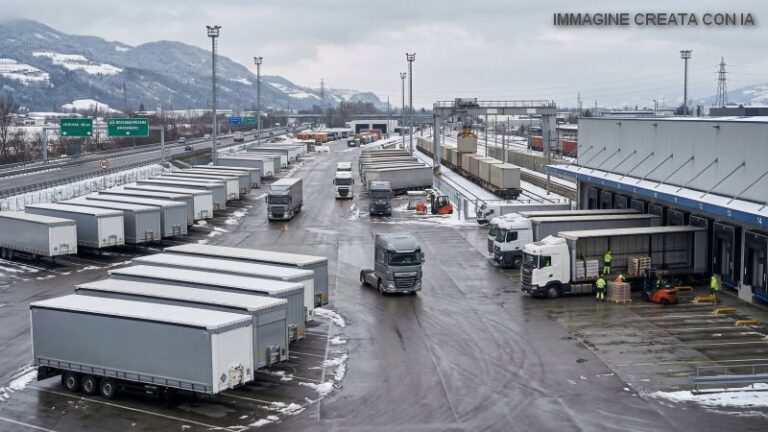
Italian registrations of trailers and semi-trailers over 3.5 tonnes recorded marginal growth of 0.4% in February 2026, with 1,214 units registered compared with 1,209 in the same month of 2025, according to figures from the Centro Studi e Statistiche di Unrae (Unrae Studies and Statistics Centre) based on ministerial data. The figure points to broad stability, but also suggests some loss of momentum compared with previous months, raising questions over market performance in the coming quarters. Overall, the first two months of the year remained positive, with 2,405 units registered against 2,260 in 2025, an increase of 6.4%. The result was supported by the order book built up over the course of last year, which is still feeding through into registrations in the opening months of 2026. However, the slowdown seen in February is being viewed by operators as a possible early signal of a less expansionary phase.
According to Michele Mastagni, coordinator of the Gruppo Rimorchi, Semirimorchi e Allestimenti di Unrae (Unrae Trailers, Semi-trailers and Bodies Group), “the setback recorded in February confirms the risk of a reversal in the trend and a contraction in the market over the coming months”. The association stresses the need to speed up implementation of the 590 million euro extraordinary fund, seen as crucial to supporting the sector and avoiding a wait-and-see effect that could weigh negatively on orders and investment.
A central element in Unrae’s analysis concerns the incentives system. The ministero dei Trasporti (Ministry of Transport) recently published data on funds reserved during the 17 December click day: the 3.8 million euros earmarked for the renewal of trailers and semi-trailers were exhausted within a few seconds. According to Unrae, this highlights strong latent demand from transport companies, ready to translate into investment where adequate support measures are in place. “The speed with which the incentives were absorbed, exhausted in just four seconds, demonstrates unequivocally the willingness of companies to renew their fleets with next-generation vehicles,” Mastagni observes.
On the regulatory front, Unrae is also underlining the urgency of completing the rules needed to allow circulation of vehicle combinations up to 18.75 metres and the registration of “eurotrailers”. According to the association, these solutions could help increase freight transport efficiency by reducing the number of trips needed for the same volumes moved and improving the organisation of logistics flows.