







From February 2026, Rail Cargo Group, the freight division of Austrian rail group Öbb, will transfer its TransFer Verona–Germany intermodal service from the Wuppertal terminal to the Duss Duisburg Kv Hub terminal, increasing frequencies from six to ten weekly round trips. The route will be renamed TransFer Verona–Duisburg and will continue to link the Sommacampagna-Sona terminal, in Verona’s logistics hub, with western Germany along the Brenner axis. The decision is linked to restructuring works on Germany’s high-capacity rail network, which are limiting accessibility and capacity at the Wuppertal node, with knock-on effects on freight train operations.
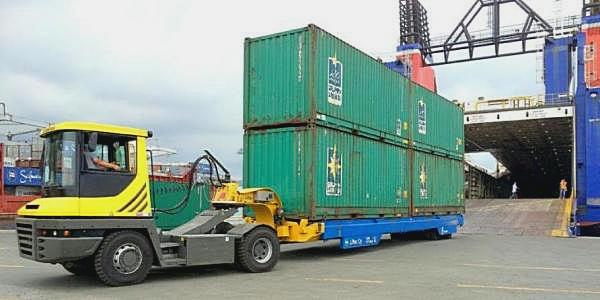
The change affects an intermodal service aimed at freight forwarders, logistics operators and shippers moving 20- to 45-foot containers, 25- and 45-foot swap bodies and craneable semi-trailers, including dangerous goods flows under the Rid regime. The increase from six to ten weekly round trips represents an expansion of more than 60 per cent in train supply on the route, widening available capacity and offering greater planning flexibility for customers operating between Italy and Germany.
In 2026, the Wuppertal terminal will be involved in a wide-ranging programme to upgrade Germany’s high-capacity network, with restrictions on access and path availability. To avoid service reductions and operational disruption to traffic to and from Italy, the Austrian group has opted to reroute the service to the Duisburg terminal, a hub offering greater infrastructure capacity and a broader range of rail connections.
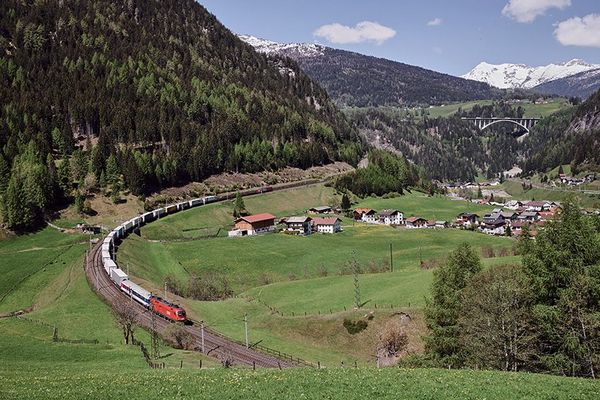
The link runs along the Brenner corridor, with the stated aim of encouraging modal shift from road to rail and reducing lorry traffic, particularly on the Tyrolean stretch. In this context, the increase in weekly rotations is intended to make the service more regular and predictable, a key factor in attracting flows currently routed by road and in meeting the needs of logistics chains with fixed schedules. Rail Cargo Group says the transition to Duisburg is already generating higher volumes from existing customers and attracting new loads, strengthening the role of the Verona–Duisburg route within the group’s European Transnet network.