







2026 Mont Blanc Tunnel closures
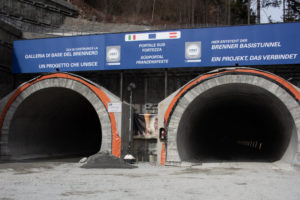
Geie Tmb, the European Economic Interest Group responsible for managing the Mont Blanc Tunnel, has published the schedule of closures and alternating one-way traffic through to August 2026, with significant implications for transalpine freight traffic. In the first part of the year, full closures are limited, while from spring onwards the number of shutdowns increases markedly. From 13 to 24 April, eight consecutive nights of total closure are planned in the 22.00–6.00 time window, spread over two weeks. In May, four additional nights of full interruption are scheduled between 18 and 21 May, again during the same overnight hours. In June, the calendar includes seven nights of closure, starting with an initial interruption on 8 June from 19.00 to 6.00, lasting a total of 11 hours, followed by six further nights between 9 and 30 June from 22.00 to 6.00. Additional closures are also planned for 1 and 2 July, once again overnight. Alongside full shutdowns, there will be periods of alternating one-way traffic, which may affect the regularity of logistics flows and transit times along one of the main Alpine corridors for international freight transport.
Maersk reorganises air cargo
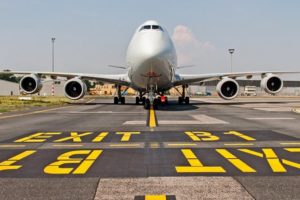
Maersk Air Cargo will suspend transpacific operations between Asia and the United States operated with Boeing 767-300F aircraft from 28 February and will terminate early its air transport contract with Amerijet. The decision forms part of a transition strategy towards the use of larger and more efficient aircraft, in particular Boeing 777Fs, considered better suited to long-haul routes. According to information released by Amerijet, activities related to Maersk accounted for around 30% of the US carrier’s total flight hours. Maersk has also decided to dispose of three newly built Boeing 767F aircraft, currently subleased to Amerijet, which industry sources say are expected to be transferred to Amazon. The Danish group already operates two Boeing 777Fs with its own crews and intends to concentrate intercontinental routes on these aircraft, reducing technical stopovers and crew changes. Amerijet will continue to focus on the Latin American market, where in 2025 it handled almost 264,500 tonnes of cargo through its Miami hub, up 43% year on year.
Investigations into the Baltimore collapse
Almost two years after the collapse of the Francis Scott Key Bridge in Baltimore, four officers of the container ship Dali remain in the United States without any criminal charges having been filed, according to the Guardian of 29 January 2026. The incident dates back to the night of 26 March 2024, when the Singapore-flagged vessel lost electrical power while transiting the Fort McHenry channel and struck the bridge, causing the deaths of six maintenance workers. The four crew members involved – the master, chief engineer, chief electrician and second officer – are citizens of India and Sri Lanka and remain in Baltimore for investigative reasons. According to maritime industry sources cited by the Guardian, their passports have been confiscated and any travel outside the state requires authorisation from the FBI (Federal Bureau of Investigation). The National Transportation Safety Board published a report in November 2025 attributing the cause of the incident to a power loss resulting from an improperly installed cable in the ship’s electrical system. The report does not identify personal responsibility on the part of the crew and highlights systemic shortcomings in the vessel’s configuration and safety systems. The same document also points to the absence of structural countermeasures to reduce the bridge’s vulnerability. Shipowner Grace Ocean Private and operator Synergy Marine Group reached a settlement in October 2024 worth USD 101.98 million to cover federal response and clean-up costs, without admitting liability. Further civil lawsuits brought by the City of Baltimore, the State of Maryland, companies and the victims’ families remain ongoing. Separate proceedings, starting in June 2026, will determine whether the companies can limit their liability under federal maritime law. In the meantime, according to the International Transport Workers’ Federation, the prolonged enforced stay of the seafarers raises concerns regarding labour rights. Federal authorities have not announced any indictments, and the legal process is expected to continue for several years.
Dual-fuel vessel fleet expands
According to the latest update of the Dual-Fuel Fleet Dashboard by the World Shipping Council, as of December 2025 the global fleet of operational dual-fuel container ships and vehicle carriers has reached 400 units, up from 218 in 2024. The figure highlights an acceleration in liner shipping investment in the energy transition. At the same time, the number of dual-fuel vessels in the orderbook has risen to 726 units, despite the numerous deliveries made during the year. Of the total orderbook for container ships and car carriers, 74% of vessels on order are designed for the use of alternative fuels. Overall, delivered and ordered units amount to 1,126, representing a 28% year-on-year increase. The total investment associated with these newbuildings exceeds USD 150 billion. The vessels are designed to operate on lower-emission and renewable fuels, with the option to switch to near-zero-emission solutions once they become commercially available at scale.