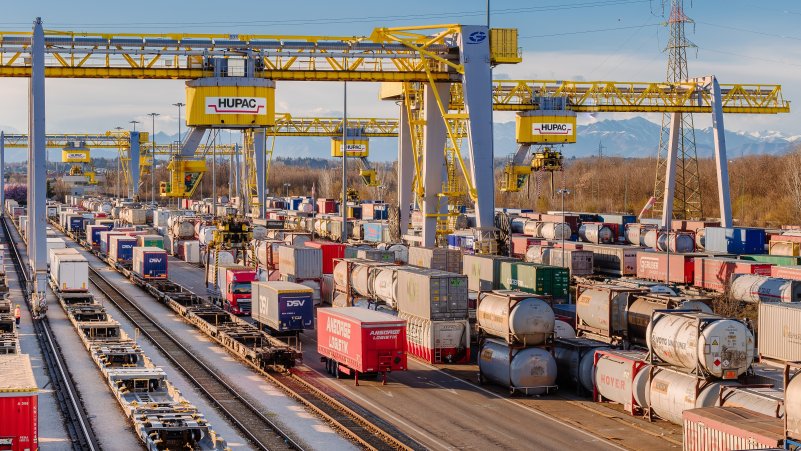




Internal border controls are making a comeback in Europe, along with scenes that had become rare but are now increasingly frequent: long queues of lorries waiting at border crossings for inspections. This has been the situation for over a year and a half between Germany and Poland, due to measures imposed by Berlin to curb illegal immigration. These controls have been further intensified following the appointment of the new government led by Friedrich Merz, which on 6 May 2025 formalised the introduction of mandatory document checks for all people and goods entering from Poland.
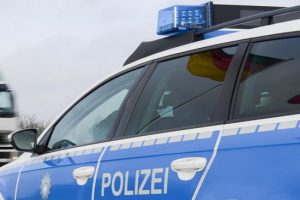
This measure, announced by Interior Minister Alexander Dobrindt, is an extension of the temporary checks first introduced in October 2023 and now extended until 15 September 2025. The legal framework rests on Article 25 of the Schengen Borders Code, citing "persistent threats to public order". To carry out the checks, the German Federal Police has increased its border staff significantly, rising from 11,000 to 14,000 officers.
There are currently three main border crossings most affected by the delays. According to local sources, the worst situation is between Jędrzychowice and Ludwigsdorf, along the A4 motorway, where queues of stationary lorries stretch up to fifteen kilometres. Average congestion between Świecko and Frankfurt an der Oder (A2 motorway) reaches eight kilometres, while in the area between Zgorzelec and Görlitz there are diversions through the town centre for lighter vehicles.
Border controls between Germany and Poland are not new but have followed a steady and gradual increase over the past two years. Their initial introduction dates back to October 2023, when Germany implemented fixed border checks with Poland and the Czech Republic. These measures were originally presented as a temporary derogation from the Schengen agreements, justified by German authorities as necessary for national security.
September 2024, however, marked a significant turning point, when Germany expanded border controls to all its land borders, including those with France, Luxembourg, the Netherlands, Belgium, Denmark, Austria and Switzerland. This decision, initially announced to last six months, was justified by then Interior Minister Nancy Faeser as part of the fight against illegal immigration and Islamist terrorism.