


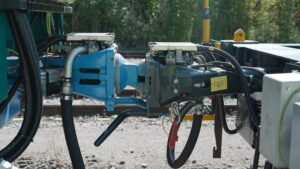
Italy’s first experimental train equipped with Dac (Digital Automatic Coupling) technology was presented in Bologna on 2 October 2026 by FS Logistix and Interporto Bologna during the Open Hub – Logistics 5.0 for Emilia-Romagna Businesses event. The train demonstrated the operational features of a system that automates the coupling of wagons while enabling the transmission of power and data throughout the entire train. Dac replaces the screw coupling and buffers still used on most European freight wagons, which require staff to work manually between vehicles. With the automatic system, wagons can be coupled and uncoupled without operators, while the data transmission line provides the infrastructure for digital functions used in the preparation and management of freight trains, with the aim of making operations safer and more efficient. During the event, FS also relaunched the Rail4Truck freight rail service between Bologna and Marcianise, presenting it as a response to the current sharp rise in fuel costs.
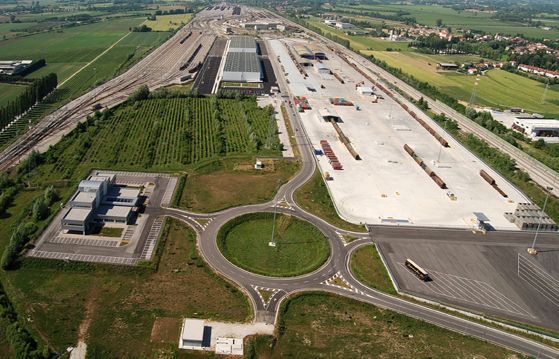
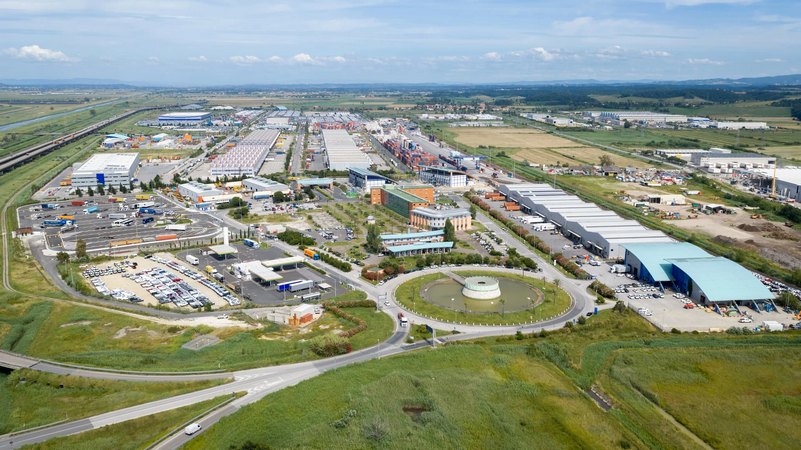
The demonstration, held as part of the Dac on Track initiative, brought the results of European rail research and innovation programmes to Bologna. FS Logistix and Interporto Bologna are involved in projects run by Europe’s Rail Joint Undertaking, including FP5-Trans4M-R, in which the FS Group is responsible for Work Package 17, dedicated to the Italian Demo Train. Mercitalia Intermodal, Mercitalia Rail, Mercitalia Shunting & Terminal and Interporto Bologna are involved in preparing, integrating and validating the technologies. Sabrina De Filippis, chief executive and general manager of FS Logistix, described the train as "a tangible milestone in European rail innovation", resulting from cooperation between operators, industry, institutions and the research community. She added that the choice of the Bologna freight village reflects the company’s vision of logistics: linking innovation to hubs and hubs to services, while strengthening rail and intermodal connections in support of industrial supply chains. Interporto Bologna president Stefano Caliandro identified innovation, digitalisation and intermodality as key drivers of more efficient, safer and more competitive logistics.