






The news that Houthi militias have suspended attacks on Israel and on commercial traffic in the Red Sea has triggered immediate reactions across the container shipping sector. According to Peter Sand, chief analyst at Xeneta, a large-scale return of vessels to the region would have far-reaching effects on global routes and freight rates, but caution remains the prevailing attitude. Sand stressed that “details are still vague, and the safety of crews, ships and cargo cannot be based on the word of the Houthi militias.”
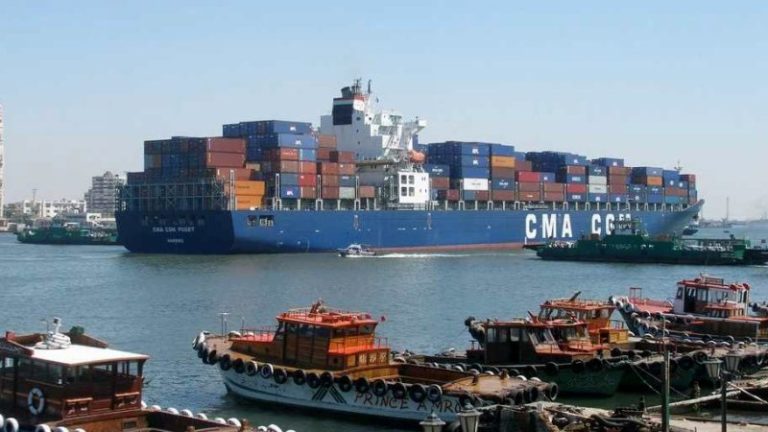
Shipping lines – and even more so insurers – will need solid guarantees before resuming traditional routes through the Suez Canal. Some carriers have already undertaken trial voyages – such as the container ships CMA CGM Zheng He and CMA CGM Benjamin Franklin – yet overall container transits through the canal have been steadily declining in 2025. A perceived reduction in risk could encourage a gradual resumption of sailings, but Xeneta points out that a return to 2023 levels is unlikely in the short term. At present, diversions around the Cape of Good Hope – adopted to avoid the Red Sea – are absorbing around two million TEU of global capacity, leading to longer sailing times and increased demand for vessels.
Xeneta notes that a large-scale return to the area would significantly reduce capacity requirements and could cause freight rates to collapse. To counterbalance this, carriers may adopt drastic measures such as temporarily idling part of their fleet, scrapping older vessels, reducing speeds or scheduling blank sailings. Sand observes that “average spot rates from the Far East to Northern Europe, the Mediterranean and the US East Coast – three major trade lanes that normally pass through the Red Sea – have already dropped by more than 50% since the start of the year.”
Xeneta’s analysts estimate that, even without changes in the Red Sea, global freight rates could fall by as much as 25% in 2026. A reopening of the Suez Canal to regular traffic would bring a period of intense turbulence for supply chains, with service and schedule realignments and repercussions for ports and terminals along key intercontinental routes. “Shippers should prepare contingency plans, as a large-scale return to the Red Sea could cause major disruptions across global maritime logistics,” Sand concludes.