





MSC launches Malpensa–Shanghai air cargo link
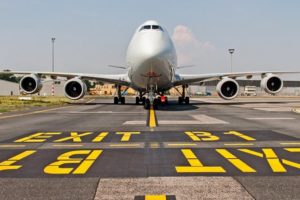
MSC Air Cargo has completed the first flight of its new cargo connection between Milan Malpensa and Shanghai Pudong. The service was operated with a Boeing 777F carrying a load of 100 tonnes of goods to the Chinese airport. The service forms part of the company’s strategy to expand its international air freight network. According to the company in February 2026, the agreement with the Shanghai Airport Authority aims to develop new operational and logistics opportunities at Pudong Airport.
MSC diverts ships from the Gulf
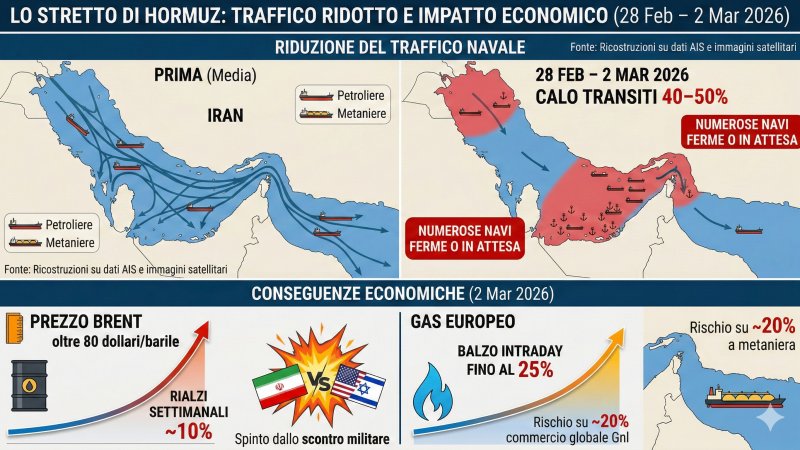
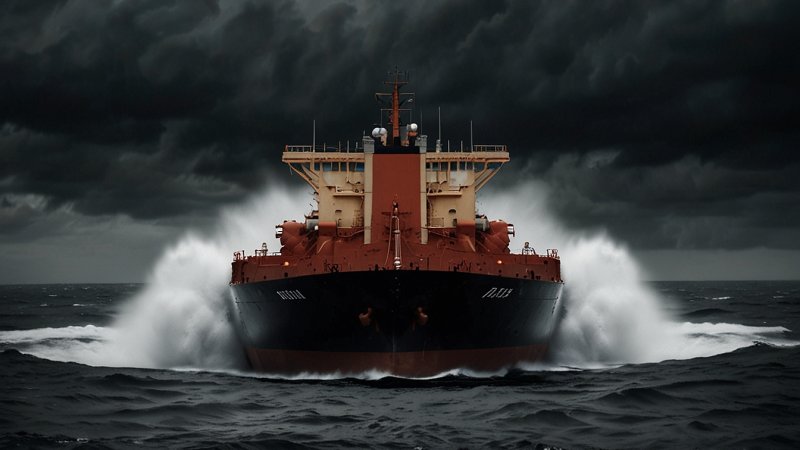
In the context of hostilities in the Middle East, the shipping company MSC has announced that all cargo destined for Gulf ports will be discharged at the nearest safe port. The decision has been formalised as a declaration of “end of voyage” and also applies to empty containers already released for export to the region. The company will apply a mandatory surcharge of 800 dollars per container to cover the costs of route diversion. Customers will have to manage the cargo independently at the new ports of discharge, organising onward transport and covering local costs. MSC and the shipping line Ocean Network Express have also temporarily suspended the acceptance of cargo bound for the affected ports.
Serbia–Germany rail connection
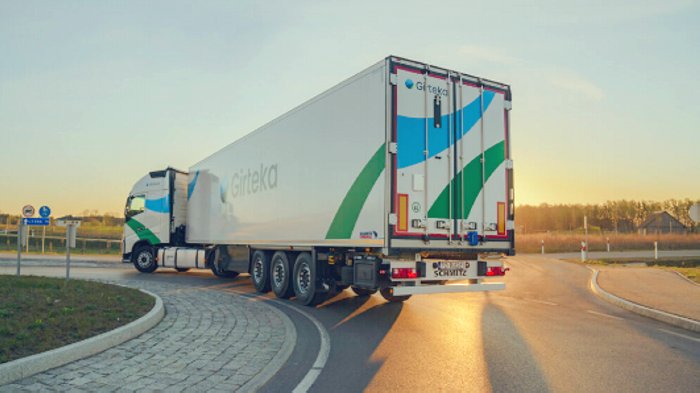
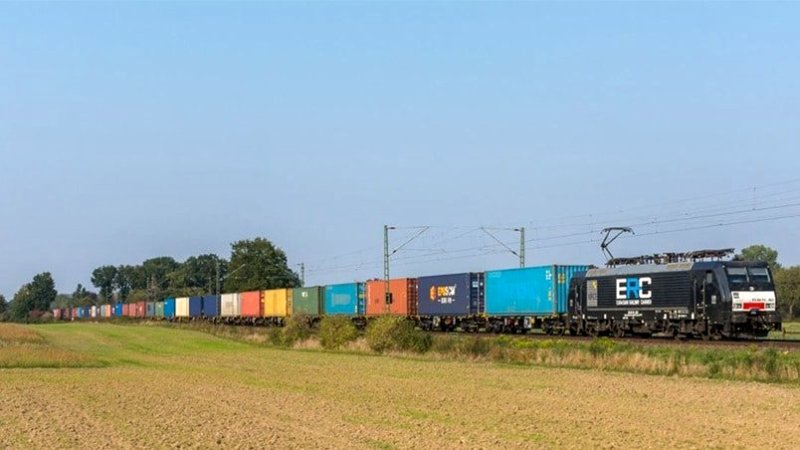
Lkw Walter and DP World launched a new intermodal rail service on 4 March 2026 between Novi Sad in Serbia and Herne in Germany, creating the country’s first regular rail connection with Western Europe. The link connects the DP World Novi Sad trimodal terminal on the Danube with the logistics hub of Herne in the Rhine-Ruhr region, one of Europe’s main industrial centres. The service provides three weekly departures with a transit time of around 45 hours. Lkw Walter operates the block trains and markets the service, while DP World manages terminal infrastructure and integration into the EU Intermodal network linking Belgium, France, Germany, Romania, Serbia and Switzerland. The transport uses the combined rail-road model, with rail for the main leg and trucks for the first and last mile without handling the goods from the loading units. The service targets Serbian and Balkan exporters and importers serving Western European markets, as well as freight forwarders and logistics operators. The initiative responds to growing demand for more predictable solutions compared with long road transport subject to congestion and border procedures. The link strengthens the role of the Novi Sad terminal as a trimodal node of the Danube corridor and as Serbia’s logistics gateway to European value chains.
Franco-German rail freight corridor expands
Captrain and CargoBeamer are expanding rail freight services in Europe, particularly strengthening corridors between France and Germany and connections with Italy, Spain and the Benelux countries. Captrain Deutschland has announced a daily freight connection between Bremen and Stuttgart linking the Roland terminal with the Stuttgart inland port, with additional services to Bremen Sebaldsbrück and Sindelfingen and integration with first and last mile road transport operated by Lit. The offer includes both conventional traffic and combined transport with smaller shipments. On the intermodal side, CargoBeamer has launched the Cologne–Sète rail link with two weekly rotations for semi-trailers, swap bodies and containers. The service connects Germany with the French Mediterranean port of Sète, integrated with DFDS maritime lines to Yalova in Turkey.
New northern Bosphorus railway in Turkey
Turkey has secured international financing of 6.75 billion dollars (about 6.2 billion euros) for the construction of the Northern Ring Railway, a new rail infrastructure designed to increase freight traffic capacity across the Bosphorus. According to Transport Minister Abdulkadir Uraloğlu, the project aims to strengthen the country’s logistics role along the Middle Corridor between Europe and Asia. The line will have a length of 125 kilometres and will bypass the urban area of Istanbul, connecting the city’s airport with Sabiha Gökçen Airport and enabling transhipment operations between air and rail transport. Currently, rail freight traffic across the Bosphorus mainly takes place at night via the Marmaray tunnel, with a total volume of 1.7 million tonnes moved between 2020 and October 2025. The new railway link is expected to allow the transport of 30 million tonnes of cargo per year and serve up to 33 million passengers. The project, valued at 8.1 billion dollars in 2025 (around 7.5 billion euros), includes around 22 kilometres of bridges and viaducts and about 60 kilometres of tunnels. The maximum planned speed for freight trains will be 120 kilometres per hour. According to the Turkish Ministry of Transport, the financing involves six institutions: World Bank, Asian Infrastructure Investment Bank, Asian Development Bank, Islamic Development Bank, OPEC Fund for International Development and European Bank for Reconstruction and Development. The Turkish government plans to complete the tenders by 2026 and then start construction work.