
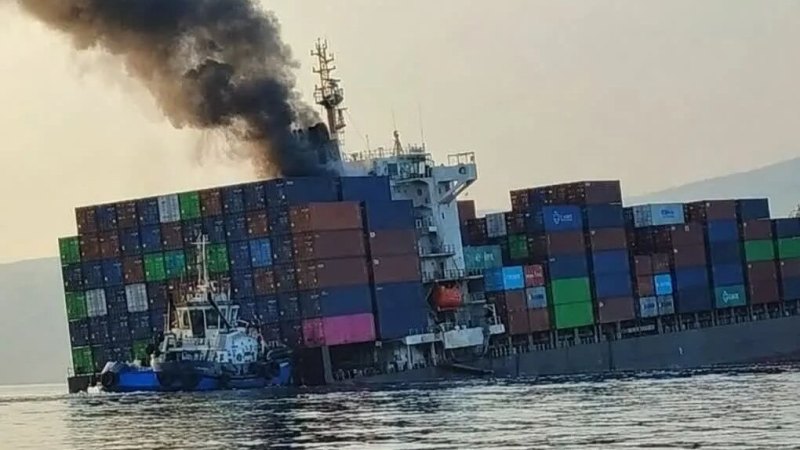



The crisis in the Strait of Hormuz has reshaped container traffic flows in the Persian Gulf within just a few weeks. Since the end of March 2026, the deterioration in maritime risk in the area has reduced the viability of direct routes through the strait, prompting shipping lines, freight forwarders and logistics operators to seek alternatives to maintain links between Asia, the Gulf and international markets. Against this backdrop, Khor Fakkan, a UAE port on the Indian Ocean, has taken on an important role as a routing point outside the highest-risk area.
Its importance stems first and foremost from its location. Khor Fakkan lies outside the Strait of Hormuz and enables vessels arriving from the Indian Ocean to avoid entering the Persian Gulf. This feature distinguishes it from ports located inside the strait and increases its operational value when navigation in the area becomes uncertain, slower or more expensive, as it has in this period. For goods bound for the Gulf, the port can act as a point for unloading, transhipment and onward movement by road or through combined transport links.
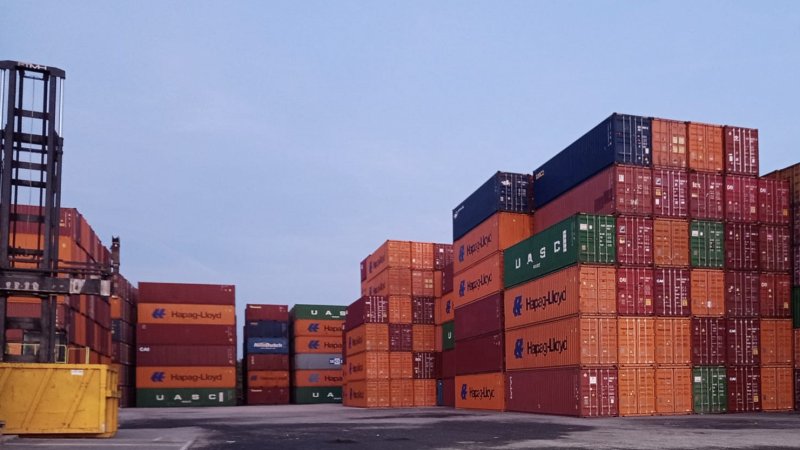
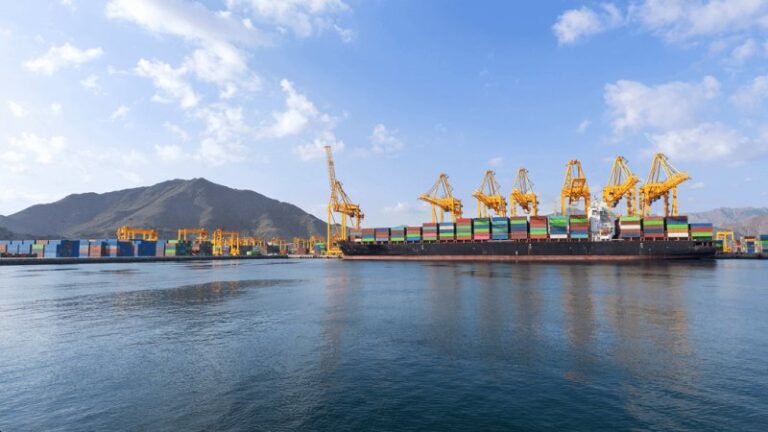
Khorfakkan Container Terminal is operated by Gulftainer and has a declared capacity of around 5 million TEU a year. The infrastructure includes 18 quay cranes, including post-Panamax and super post-Panamax units, a container yard of around 450,000 square metres and a total area of about 70 hectares. These dimensions place the port among the most developed container platforms in the area and explain why, during the crisis, it has been regarded as one of the main relief valves for diverted traffic. The terminal was already being upgraded before the Hormuz crisis. In 2024, increases in volumes, expanded handling capacity and service development were announced. The crisis therefore did not create Khor Fakkan’s role from scratch, but accelerated the use of a platform that was already growing as a regional hub for container transport. The change mainly concerns the intensity of use and the pressure on inland connections.
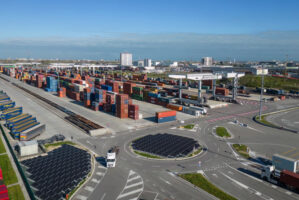
For Khor Fakkan, the additional pressure created by the Hormuz crisis is not limited to the quays. The increase in flows has also affected access for commercial vehicles, yard management and the ability to regulate entry to the terminal. When a port is used as an alternative gateway during a crisis, the bottleneck can quickly move from sea to land: vessels waiting offshore, containers to be unloaded, trucks to be admitted, documents to be checked and cargo to be routed towards inland destinations all have to be coordinated within tight timeframes. Several sources say commercial vehicle traffic has risen sharply at the UAE port, although the figures provided have not been verified. The most extreme estimates point to an increase from 100 units a day before the crisis to 6,000 units at present.
This is the context for the upgrade of the truck pre-acceptance area and the holding and vehicle regulation area. Gulftainer has announced measures to make road access to the facility smoother, using digital booking systems, training for drivers and operators, and more orderly management of vehicles before entry. The aim is to reduce waiting times, contain congestion and maintain continuity in cargo flows. The system is based on the E-Token digital platform, which allows truck access to be organised through more controlled bookings and authorisations.
Antonio Illariuzzi