




The European Union emerges defeated from the tariff dispute with the United States. The joint EU-US declaration released on the morning of 21 August 2025 confirms the increase of US tariffs to 15 per cent on all goods and the European commitment to buy vast quantities of American energy and military equipment. In return, Europe has gained nothing. The tariffs strike at crucial sectors for European industry: wine, automobiles, pharmaceuticals, semiconductors and timber are all included in the list of affected goods. For cars and components, however, the tariff will only take effect once Brussels has begun reducing its own duties on American products. Trade Commissioner Maros Sefcovic specified that the 15 per cent levy will be retroactive from 1 August. From 1 September, a range of goods including cork, aircraft and their parts, generic medicines and chemical precursors will also be subject to tariffs under the Most Favoured Nation principle.
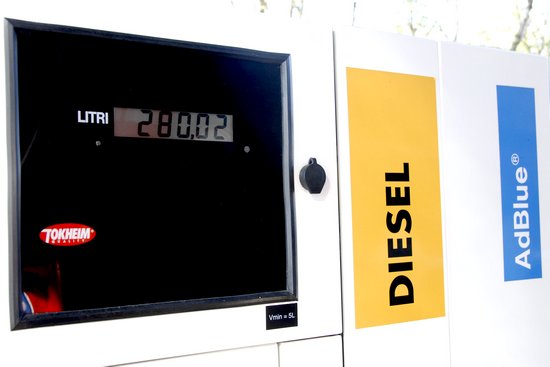
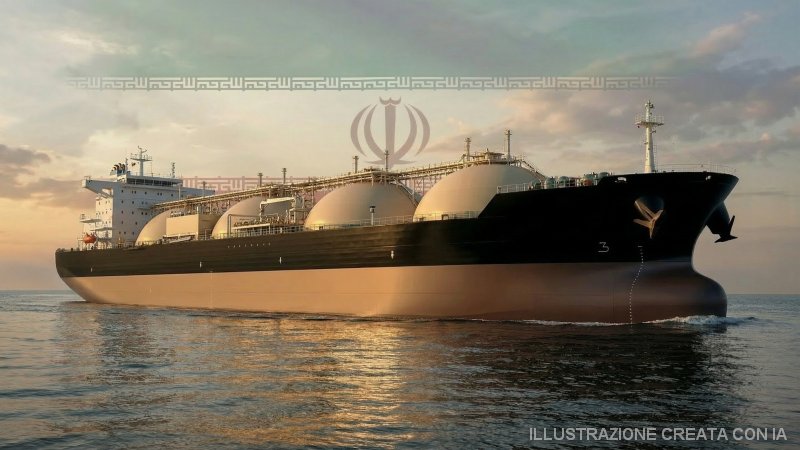
On the purchasing side, the Union has pledged to buy liquefied natural gas, oil and products linked to nuclear energy from the United States worth a total of 750 billion dollars by 2028. The European Union has also agreed to substantially increase its procurement of US-made military and defence equipment. But there is another price to pay to Washington: preferential access for American agricultural and seafood products, along with a commitment to purchase at least 40 billion dollars’ worth of chips for artificial intelligence, while coordinating technology security requirements with Washington. According to the White House, the deal also requires European companies to invest a further 600 billion dollars in strategic sectors in the United States by 2028.
The joint declaration also addresses the issue of steel and aluminium, with a pledge to introduce tariff quota mechanisms to shield economies from global overcapacity and protect supply chains. However, regulatory matters linked to the Digital Market Act and the Digital Service Act remain outside the scope of the negotiations. The agreement, which has suspended since 7 August the European countermeasures introduced on 24 July, must now be translated into legislative acts by the Commission and shared with Member States and the European Parliament.