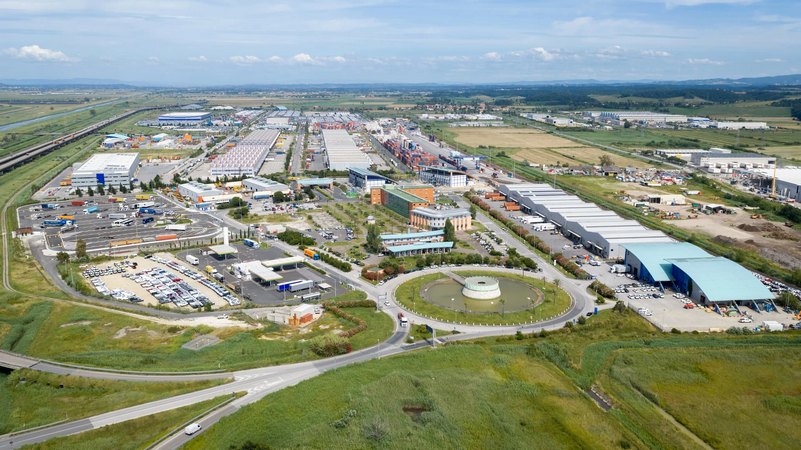






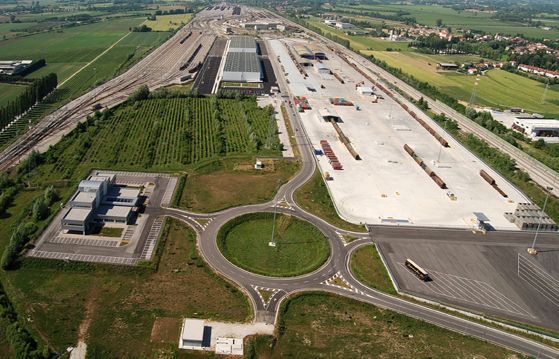
In October 2026, Duisport increased its intermodal rail services from Trieste to four weekly runs. The increase applies both to the Cervignano-Duisburg connection and to the shuttle linking the PLT HHLA Italy terminal with the Interporto di Cervignano. The service is managed by +.intermodal, a Duisport-affiliated company acting as an agent. Volumes from the port of Trieste are consolidated at Cervignano before being routed to Duisburg, the project’s main continental corridor. A connection to Wels, Austria, is planned for next year as part of a multi-destination platform designed to distribute flows across different continental markets.
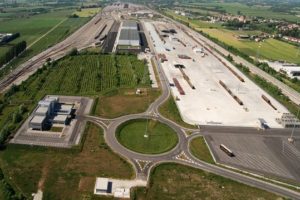
The shuttles increase the frequency of transfers from the maritime terminal to the intermodal platform, where volumes are consolidated before being loaded onto the international train. A key strength of the model is its ability to combine maritime flows from the various terminals in the Trieste port system with traffic originating on the continent. This critical mass makes it possible to sustain several connections each week and strengthens Cervignano’s role as a hub for consolidating and distributing rail traffic. The service is open to all operators, while its manager does not compete with them for end customers. +.intermodal acts as an aggregator of traffic flows and a link between operators, which share the infrastructure and rail network while retaining their commercial independence and direct relationships with customers.
The expansion comes at a time of infrastructure works and restrictions that can affect the reliability of services. +.intermodal says it is working to maintain continuity by coordinating the various players in the logistics chain and adapting operations to infrastructure conditions. PLT HHLA Italy is a strategic partner of Duisport and +.intermodal, linking maritime traffic directly with the Cervignano platform and, from there, with the continental network. Duisport is also working with the Interporto di Trieste and the Interporto di Cervignano on the project: the former supports commercial development and new opportunities for the regional logistics system, while the latter provides the platform where the different rail flows are brought together and consolidated.