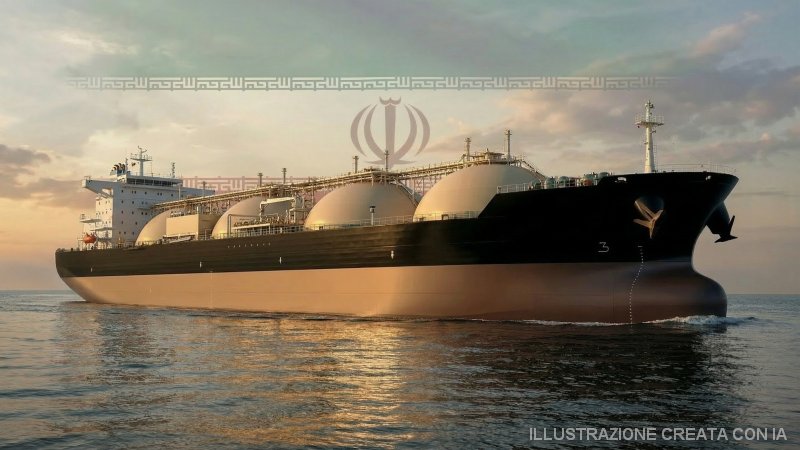
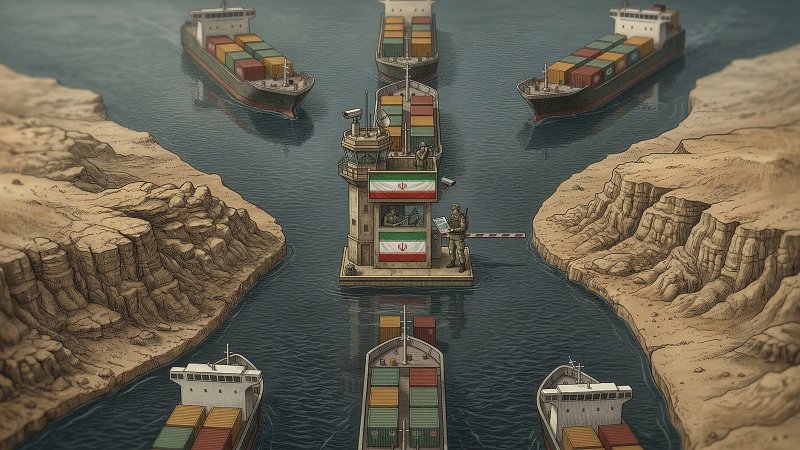




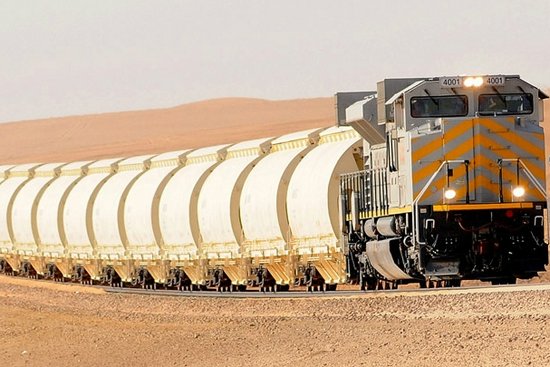
Uncertain forecasts over a return to full functionality for transit through the Strait of Hormuz have prompted Saudi Arabia’s railways to propose an alternative for links serving the wider Gulf region. Saudi Arabia Railways has, with notable speed, developed a service that allows goods to be transported as far as the border with Jordan, from where they can then continue by road. The link avoids the use of the Saudi seaports of King Abdulaziz, King Fahad Industrial Port and Jubail Commercial Port, from which goods had previously moved on to Al-Haditha on the Jordanian border.
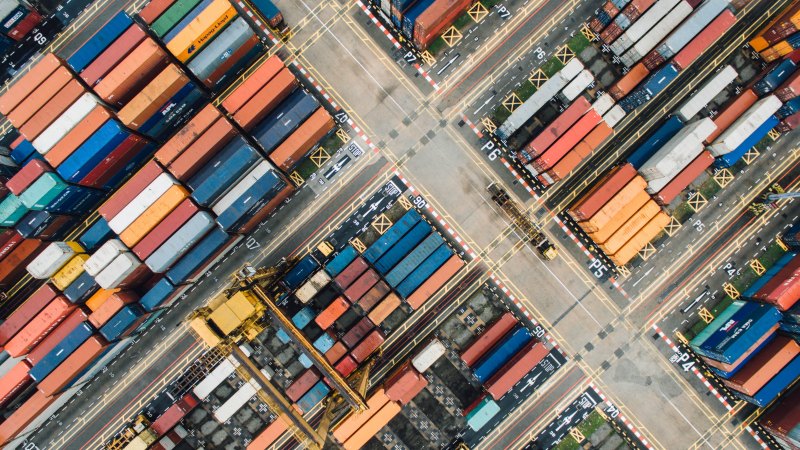
The rail corridor stretches for 1,700 kilometres and uses Saudi Arabia Railways tracks from King Abdulaziz Port in Dammam, the easternmost point of its network, before crossing Saudi territory via the capital Riyadh and then heading north to Al-Haditha through the Al Zabirah junction. Capacity is expected to reach up to 400 TEU in both directions. According to the authorities in Riyadh, rail transit times for containers across Saudi Arabia will be around half those normally recorded by road.
According to the Ministry of Transport, this initiative, born out of an emergency but which could become permanent depending on the results achieved, represents a model for freight transport, an opportunity to support exports and strengthen ties between Saudi Arabia and neighbouring countries to the north, while also reinforcing integration between seaports, the rail network and land border crossings.
It could also open up new prospects that until now have remained on the margins. Jordan’s rail network, historically based on the Ottoman Hejaz line, appears outdated in both its technical characteristics and its difficulty integrating with other continental railways. The new Saudi service could provide the stimulus needed to revive projects that have so far remained on paper, such as a standard-gauge railway linking the Jordanian capital Amman, the port of Aqaba on the Red Sea and Al-Haditha on the Saudi Arabia Railways network.
The project was first put forward in 2010, but with little success. It could now also include standard international rail links from Amman northwards to the Syrian border and eastwards to the Iraqi border, political stability permitting. In its updated version, the new route would extend to almost 900 kilometres, with estimated investment of more than three billion euros. Those resources have never been secured so far, but the new geopolitical landscape could attract international investors alongside sovereign wealth capital such as that of the United Arab Emirates.
Piermario Curti Sacchi