





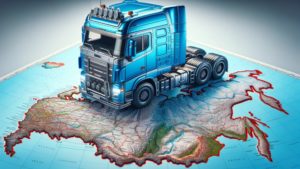
In recent years, the Russian industrial vehicle market has been overtaken by Chinese producers, who capitalised on sanctions imposed after the aggression against Ukraine, effectively excluding all European manufacturers from sales. The speed with which the Chinese industry captured the market was truly remarkable; within a few months, the Sitrak C7H model, developed by Hong Kong's Sinotrak, became the country's most purchased truck. Subsequently, numerous new models were launched, and various brands such as Donfeng, Shacman, Foton, and Faw entered the sector, often producing vehicles aesthetically inspired by European designs but lacking in quality. Throughout 2024, Chinese dealerships proliferated across Russia, and the annual balance sheet shows a significant surpassing of local producers, particularly Kamaz, which experienced a drastic revenue decline despite being the main supplier to the national army.
The surge in sales of Chinese trucks occurred with the consent of Russian authorities, who were compelled to seek new alliances to prevent the transport sector from paralysing and were willing to accept an uncontrolled influx of vehicles. However, early 2025 marks a significant shift, with Russian authorities striving to halt the relentless advance of Chinese trucks. The sales of recent years and the crisis at Kamaz, now dependent on Chinese components and spare parts, have prompted the Russian Ministry of Commerce to introduce controls on importers of vehicles from China and to block brands that do not meet the safety requirements mandated by current legislation.
As reported by Gazeta.ru, the first brand to come under scrutiny was Sitrak, followed closely by Howo, accused of equipping their vehicles with outdated, inexpensive emergency call devices not compliant with current regulations. Data indicates that in less than a year, these vehicles were involved in 422 road accidents, leading authorities to label them an immediate threat to the lives and health of drivers and citizens. Consequently, imports of these brands have been halted, and already registered vehicles have been recalled for updates, potentially affecting nearly 15,000 units, many still under leasing agreements.
The Russian Ministry of Commerce then turned its attention to the Shacman brand, which was blocked and sanctioned due to technical defects such as insufficient soundproofing and inadequate safety systems. Russian authorities reportedly conducted a series of inspections on the brand's vehicles, subsequently deciding to annul registration certificates and halt the entry of new vehicles into the official registry. Gazeta.ru reports that over 13,000 trucks are now unsellable in Shacman's warehouses, with the economic damage to the Chinese company estimated at 16 million rubles (approximately 1.2 million euros).
Measures against Chinese manufacturers appear to be just the beginning and could soon encompass all brands present in Russia, including automotive ones. While it is well-known that the quality of Beijing's trucks is inferior to that of more renowned European producers, the Chinese industry had managed to respond swiftly to criticism, updating its assembly lines and gradually introducing more efficient vehicles to the market. Russia's actions, rather than stemming from a sudden focus on safety, seem aimed at curbing the advance of overly strong competitors that are rapidly stifling the already beleaguered national industry.
Marco Martinelli