




The European haulage sector is hoping for a recovery after a challenging 2024, marked by numerous difficulties. 2025 is shaping up to be a year of transition, with sustainability and AI playing a central role in modernising the industry. According to Christopher Keating, Senior Vice President of Trimble Transportation Europe, the future of haulage will rely on greater operational efficiency and increased collaboration between supply chain operators.
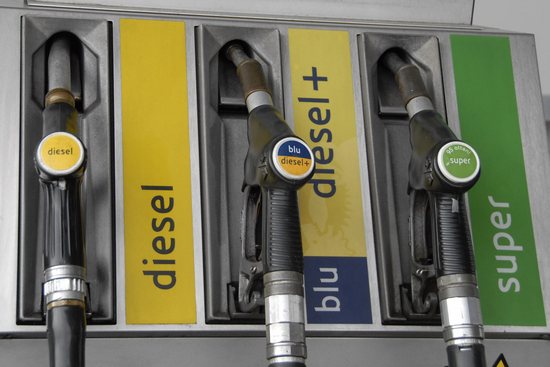
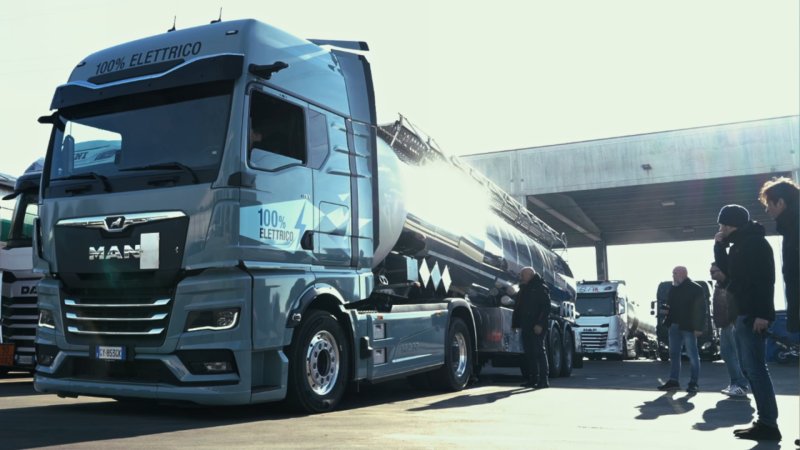
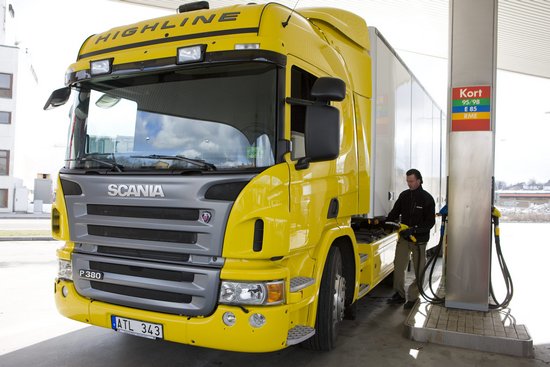
One of the key factors expected to influence the sector will be the growing pressure for sustainability. Hauliers will face stricter environmental regulations, rising fuel costs, and heightened consumer awareness. While electric vehicles and alternative fuels have yet to bring about a significant transformation, 2025 is expected to see a stronger commitment to improving operational efficiency through technology and AI, aimed at reducing empty runs and making supply chains more sustainable. "Collaborating with suppliers and carriers committed to sustainability will not only be an ethical choice but also a crucial branding factor for attracting environmentally-conscious clients," says Keating.
AI will be another key element driving the sector's transformation. In 2025, AI is expected to evolve from basic automation applications to autonomous decision-making management. Advanced algorithms will be capable of analysing vast amounts of data in real-time to optimise the supply chain, including price negotiation processes, leading to more efficient management of costs and resources. Additionally, AI will be increasingly employed for predictive maintenance, reducing vehicle downtime through the analysis of data from Internet of Things (IoT) sensors.
The shortage of drivers will remain one of the primary challenges in 2025. Keating forecasts that addressing this issue will require an integrated approach combining new hires, technological investments, and improved operational efficiency. Once again, AI is seen as crucial to optimise drivers' time, reducing delays and boosting productivity. Improving working conditions and investing in training programmes will also be vital steps to attract new talent to the industry.
Real-time visibility, now a standard feature in transport management, will continue to evolve. According to Keating, in 2025, companies will focus on extracting insights from collected data, using predictive analytics to anticipate disruptions and optimise routes. Integrated platforms, linking transport and warehouse management systems, will allow for closer collaboration between partners, enhancing supply chain efficiency and reducing waste.