



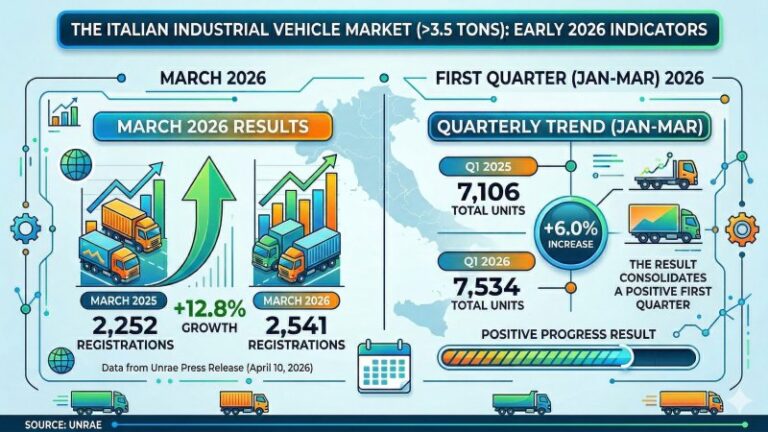
The Italian market for industrial vehicles over 3.5 tonnes recorded a 12.8% increase in March 2026, with 2,541 registrations compared with 2,252 in the same month of 2025, according to a statement released by Unrae (Unione Nazionale Rappresentanti Autoveicoli Esteri – National Association of Foreign Vehicle Representatives) on 10 April 2026. The result consolidates a positive first quarter: between January and March, registrations reached 7,534 units, up 6.0% from 7,106 in the same period last year.
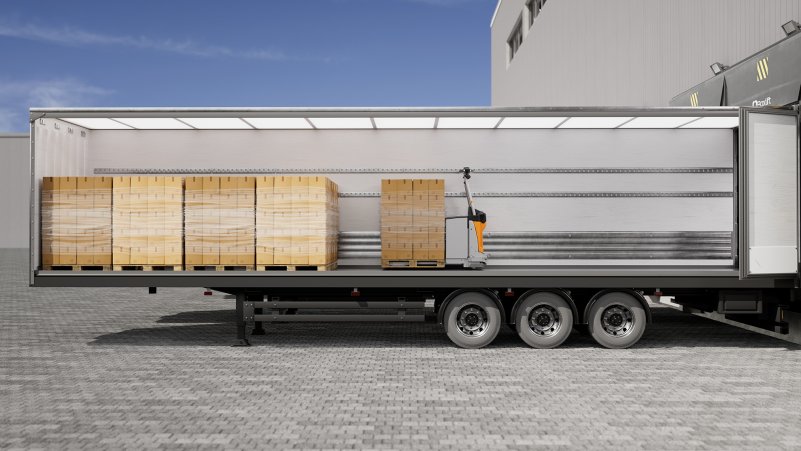
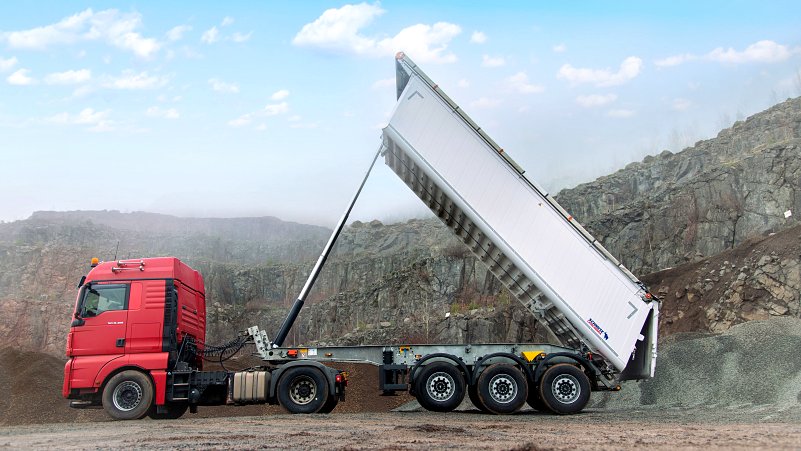
The monthly trend was largely driven by the heavy vehicle segment above 16 tonnes, which grew by 15.7%, rising from 1,883 to 2,178 units. Within this segment, road tractors made a particularly strong contribution, with an increase of 36.2%, climbing from 1,039 to 1,415 units. By contrast, rigid heavy trucks declined by 9.6%, from 844 to 763 units, pointing to weaker demand in certain operational applications.
Analysis by weight class shows a mixed performance. Light vehicles between 3.51 and 6 tonnes rose by 2.1%, from 140 to 143 units, while the medium segment between 6.01 and 15.99 tonnes fell by 3.9%, with 220 registrations compared with 229 in March 2025. Overall, the data confirms a polarisation in demand towards heavy vehicles used for long-haul transport and structured logistics operations.
According to Unrae, the positive result should be viewed in the context of demand still influenced by temporary factors, including fleet renewal and efficiency requirements. However, the president of the association’s industrial vehicles section, Giovanni Dattoli, stressed the need to move beyond an emergency-driven approach to sector support policies. In particular, Unrae reiterated its call to abandon incentive mechanisms based on so-called “click days”, which are seen as unsuitable for ensuring effective investment planning. The association proposes the introduction of structural and stable measures, starting with the implementation of the extraordinary fleet renewal fund, with the aim of providing companies with a predictable medium- to long-term framework.
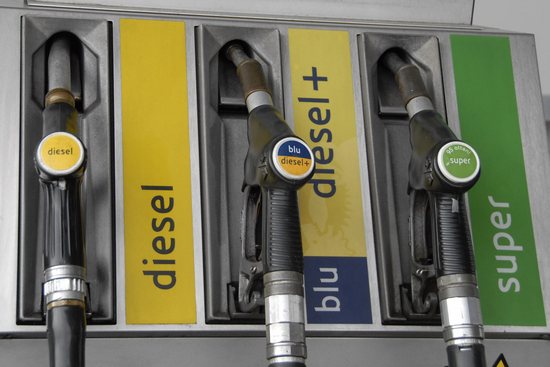
Another key issue concerns the sector’s energy transition. According to Unrae, the path to decarbonisation requires a pragmatic approach based on a clear and stable regulatory framework, alongside faster infrastructure development. In particular, the association highlights the need to expand high-power charging networks and alternative fuel solutions, seen as essential to support the uptake of low- and zero-emission vehicles.
Unrae also points to the importance of addressing operating costs, particularly energy and tolls, to make new vehicles more competitive with traditional technologies. In this context, it welcomed recent government measures to reduce excise duties, which are considered helpful in mitigating the impact of high energy costs linked to the international situation. Overall, the picture is of a growing market still exposed to structural and regulatory variables.
P.R.