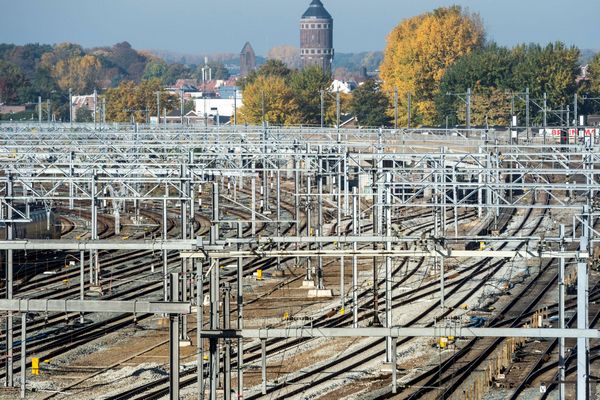






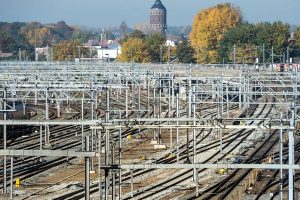
, as shown by the assessments from ProRail and Rws, even this effort has fallen short. The backlog of deferred maintenance is estimated at close to twenty billion euros. In the past, investment in the network averaged around 2% of the Netherlands’ annual GDP, but in recent years the share allocated to infrastructure has declined significantly.
Logistieke Alliantie, an interest group bringing together almost twenty logistics operators, has also noted that much of the rail infrastructure is approaching the end of its life cycle, while in other European countries funding for network modernisation and expansion is substantially higher. According to the Alliance, the structure of the state budget needs to be changed to ensure access to resources outside annual planning, combined with a rigorous definition of priorities to overcome current bottlenecks and enable more effective multi-year investment planning.
Statistics point to continued stagnation, if not a loss of market share, for rail transport. In 2024 the negative trend continued, following a 12% contraction in 2023 compared with the previous year. Operators are dissatisfied with what they see as a wait-and-see approach by the government, which in a planning document published in February 2025 announced its intention to pursue a scenario described as “constant development”, effectively meaning the abandonment of any growth ambitions and related investment. According to Logistieke Alliantie, this approach undermines all the efforts made by operators to maintain the competitiveness of rail freight services despite an unfavourable economic climate.
In previous months, the association had already put forward a package of entirely realistic demands which, taken together, could give rail transport a boost. These include ensuring the ability to operate 740-metre-long freight trains in line with the European standard, rolling out the installation of the standard ERTMS signalling system, and upgrading infrastructure along the Betuweroute, northern Europe’s most important freight railway linking the port of Rotterdam with Germany. In addition, the group called for measures to develop intermodality and for a commitment to review, from a European perspective, the transport of goods classified as dangerous.
Piermario Curti Sacchi