


Following a protracted institutional standoff with the German government regarding migration policy, Poland has decided to introduce 52 manned crossings along its border with Germany. As announced by Prime Minister Donald Tusk, from midnight on Monday 7 July 2025, the Polish Border Guard has been conducting patrols and controls along the national frontiers, focusing particularly on the German side but also on the Lithuanian border, where thirteen customs posts have been established. Lithuania and Poland share a border of nearly 105 kilometres, frequently used by migrants entering Europe via Belarus and the Baltic states. The Polish government made the announcement on the X platform, followed by an official statement on its institutional website.
“This is the government’s response to the evolving European migration situation and to Berlin’s actions, which persist in their restrictive policy towards migrants,” reads the official statement, which openly criticises the German government’s stance and accuses it of denying entry even to political asylum seekers. While both sides initially sought to de-escalate the situation, this latest development risks turning the border into a critical point in European geopolitics and may further complicate the road transport sector.
Tusk has repeatedly stressed that Warsaw would prefer to avoid such controls and has urged Berlin to abandon unilateral measures. However, under pressure from the far-right opposition, the government has taken a tougher stance and rejected German proposals for joint patrols. Polish Defence Minister Władysław Kosiniak-Kamysz also strongly criticised the German proposal for joint border checks between Poland and Germany. “There will be no joint patrols. A German minister will not tell us what to do in Poland,” the minister stated.
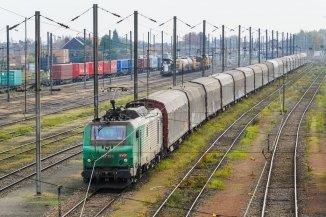
The 52 border crossings introduced along the German border include 41 road access points, including pedestrian and bicycle paths, eight railway crossings and three river ports. Checks apply to those entering Poland and are carried out selectively, particularly targeting minibuses, SUVs, cars with tinted windows and pedestrians. Although freight vehicles do not appear to be directly affected by the inspections for now, the controls are expected to cause road congestion and lengthy border crossing times.
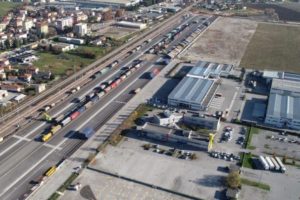
As early as June, a massive traffic jam caused by checks on the Lower Silesian stretch of the A4 motorway brought the border between Germany and Poland to a standstill, with a queue of vehicles stretching over twenty kilometres. Unless extended, the border checks are set to remain in place until 5 August and currently involve over 1,800 personnel from military corps. At the German border, groups of volunteers are also present, offering support to the authorities during operations.
Marco Martinelli