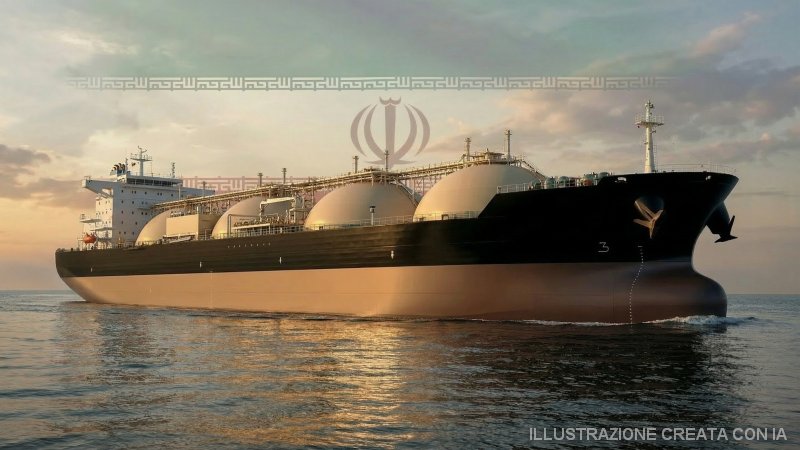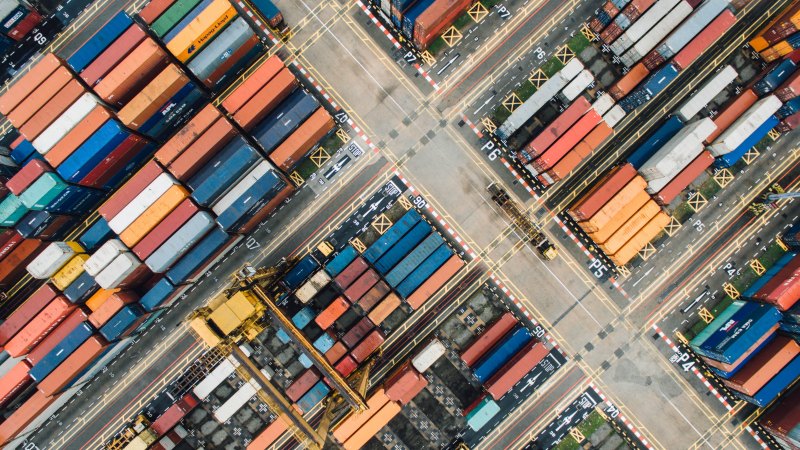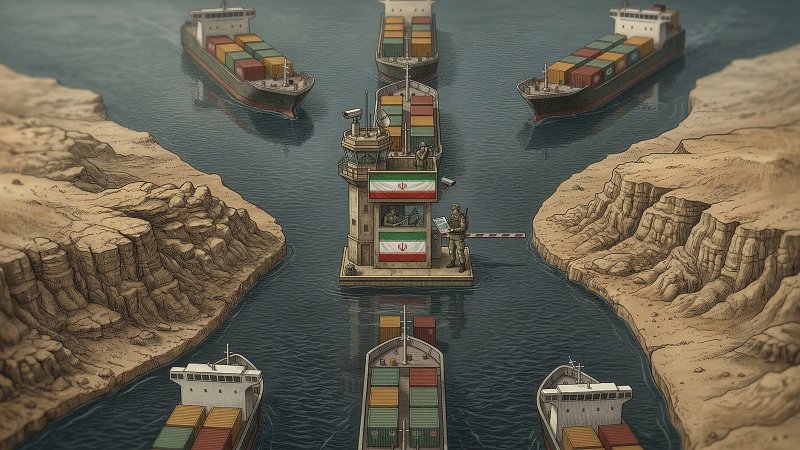






Panama is increasingly active in transforming itself from a simple canal territory linking the Atlantic and Pacific to a global logistics platform. Following the announcement of the project to build two new container terminals on both coasts of the country, on 3 September the president of the Republic, José Raúl Mulino, announced during his official visit to Japan the launch of the Canal Pipeline Project, a gas pipeline that will connect the two oceans running parallel to the canal. Immediately afterwards, the minister for Canal Affairs, Jose Ramón Icaza, and the Panama Canal administrator, Ricaurte Vásquez Morales, outlined the scope of a project destined to impact the country's competitiveness and the balance of global energy traffic.
The Canal Pipeline Project represents the first major achievement of the new infrastructure platform conceived by the Panama Canal Authority, with the aim of strengthening the country's role as a strategic hub for international trade and responding to the growing demand of the energy market. The Canal's board of directors has already approved the launch of the procedure to select the concessionaire that will build the project. The process, which will be competitive and transparent, includes an initial pre-qualification phase, subsequent discussions with selected operators and finally the definitive choice of concessionaire, with completion expected by the final quarter of 2026.
According to estimates released by Mulino, the gas pipeline will represent one of the most important investments in the history of the Panama Canal. The expected benefits are equally substantial: during construction more than six thousand jobs per year are expected to be created, rising to almost ten thousand during the operational phase. State revenues should reach around 160 million balboas per year (approximately 136 million euros) during the construction period, subsequently exceeding one and a half billion annually (approximately 1.28 billion euros) once fully operational. The impact on the national economy will be equally significant, with added value estimated at approximately 590 million balboas per year (approximately 504.6 million euros) during construction and up to 2.7 billion when operational (approximately 2.3 billion euros).
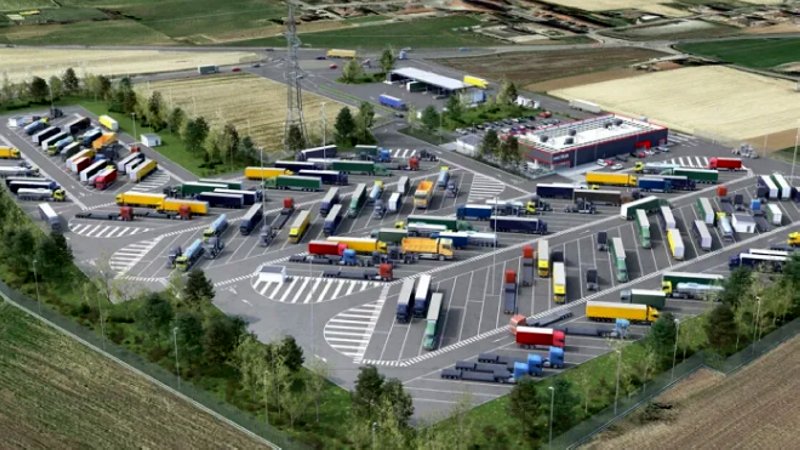
This gas pipeline forms part of a broader strategy to diversify Canal revenues, which aims to enhance cargo handling capacity without increasing water consumption and to consolidate Panama's central position in global routes. The plan also includes the development of an intermodal logistics hub with container transhipment terminals, storage areas and a new road artery connecting the Centenary Bridge to the Atlantic Bridge along the western bank. This framework includes projects for new ports at Corozal and Telfers, both located on the eastern bank of the Canal.