



Rotterdam unifies digital data
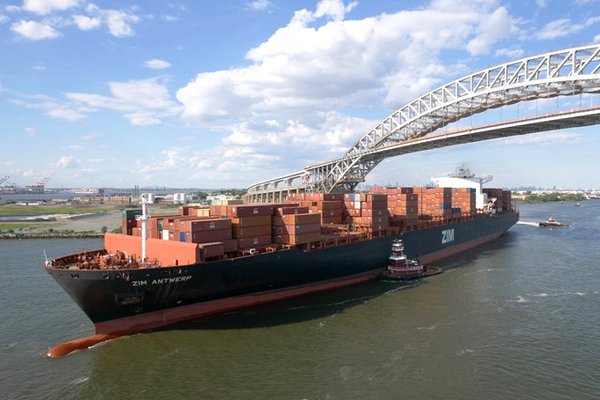
The Port of Rotterdam has introduced new standardised nautical data through collaboration between the Port of Rotterdam Authority and the Hydrographic Service of the Royal Netherlands Navy. The goal is to improve safety and operational efficiency by accurately locating terminals and berths. Previously, data were linked to the commercial names of facilities, which could vary. Each port facility is now identified by a Global Location Number, already common in logistics and now integrated into the HaMIS and Portbase systems. Data are updated twice a day, ensuring reliability for the Harbour Master’s daily operations. The validated data are shared with the Hydrographic Service, which incorporates them into official electronic nautical charts used by shipmasters under IMO Resolution A.893(21). This integration eliminates inconsistencies across information systems, providing a single certified database. Through an API interface, logistics operators can connect their systems and access real-time data. Pilots and mooring crews also benefit from the standardisation, as they have access to the same information to plan manoeuvres safely.
Blackstone and Lunate join forces in logistics
Blackstone and UAE-based Lunate have announced the creation of a USD 5 billion (around EUR 4.6 billion) platform for logistics investments across the Gulf region. The initiative will focus on new developments, acquisitions and sale-and-leaseback operations, with the goal of attracting external investors over time. The platform will operate across the six Gulf Cooperation Council countries — Saudi Arabia, the United Arab Emirates, Qatar, Kuwait, Oman and Bahrain — where demand for logistics infrastructure is growing in step with the expansion of e-commerce and manufacturing.
China reacts to US tariffs on ships
According to the South China Morning Post, China has revised its international shipping regulations, introducing the possibility of countermeasures against countries that impose restrictions deemed discriminatory towards its maritime interests. The new rules, approved by Premier Li Qiang and entering into force immediately, allow for the imposition of special tariffs on foreign vessels bound for Chinese ports, limits on access, or restrictions on maritime data and services linked to China. The measure is widely seen as a direct response to the US investigation launched under Section 301, which examines allegedly unfair trade practices in China’s maritime sector. The regulatory update comes two weeks after new port tariffs took effect in the United States and amid growing tensions along transpacific routes. Analysts suggest the Chinese countermeasures will mainly affect ships flying the US flag or owned by US companies, though the overall impact may be limited given China’s dominant role in global shipping.
Yusen’s global digital platform
Yusen Logistics has completed the global rollout of its digital transport booking system, Yusen Vantage Focus-Book. Already operational in Europe, Japan, Hong Kong, Australia and Brazil, the platform was extended in 2025 to China, the United States, Mexico, Canada, Argentina, Korea, Taiwan and all Southeast Asian and Oceanian markets. YVF-Book enables customers to book air and sea shipments, track cargo in real time and manage transport documentation within a single digital environment. The system includes multilingual functionality and regional compliance standards, ensuring operational uniformity worldwide. Key features include direct booking, digital submission of shipping instructions, centralised document management and constant operational updates.
Guide for road transport reform
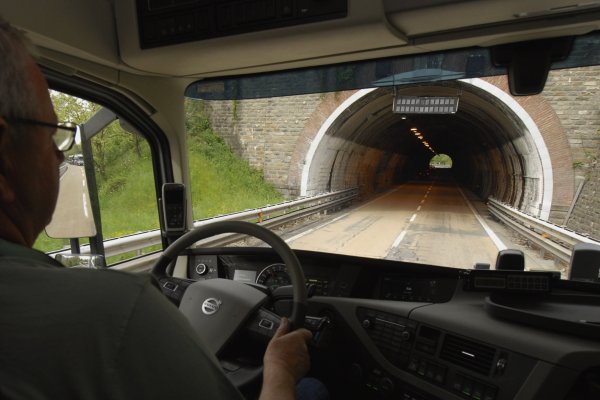
The World Bank and the IRU have published a new guide for road transport reform aimed at governments, public authorities and operators. Its goal is to improve safety, sustainability and efficiency through legislative, governance and professional qualification reforms. The report identifies high accident rates, transport costs, corruption and low profitability as key obstacles to economic and social development, particularly in emerging markets. Developed with the Africa Transport Policy Programme, the guide promotes a public–private cooperative approach to addressing these issues. The updated edition reflects technological evolution and the ecological transition, and now also covers passenger transport, gender equality, licensing systems and training.
Taranto becomes national wind hub
Following the formal transmission to the Ionian Sea Port System Authority of Interministerial Decree 167 of 4 July 2025, the Ministry of the Environment has designated the Port of Taranto as one of Italy’s national hubs for the development of floating offshore wind power. The decree, recorded by the Court of Auditors under act 2156 on 23 September 2025, implements Article 8 of Decree Law 181/2023 concerning the offshore wind supply chain. This measure will enable the launch of planned infrastructure upgrades within the port’s existing master plan framework.
Volksbank finances six electric locomotives
Volksbank is supporting the expansion of rail freight by financing the purchase of six Vectron MS electric locomotives for Italian companies RTC and InRail. The operation forms part of the bank’s strategy to promote sustainable mobility and energy efficiency in logistics. The new locomotives, with a maximum power of 6.4 megawatts and top speed of 160 km/h, are certified for operation in twelve European countries, including Italy, Austria and Germany. They will be used along the Brenner corridor, a key route for transalpine freight traffic. RTC and InRail note that the investment increases operational capacity and enhances service quality across Europe.
Trump introduces tariffs on trucks
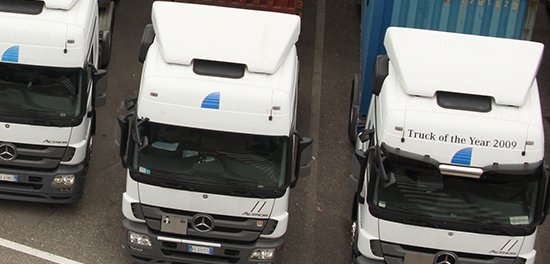
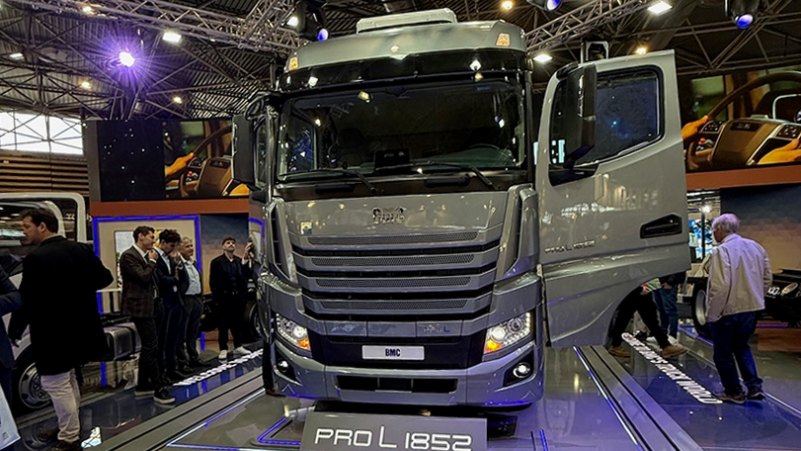
US President Donald Trump has announced 25% tariffs on medium- and heavy-duty trucks imported from other countries. The measure will take effect on 1 November 2025, according to the president’s post on Truth Social. The goal is to strengthen domestic production of industrial vehicles amid rising economic protectionism. The move could significantly impact trade flows between the United States and Europe, home to several major truck manufacturers. Its effects on freight costs and global supply chains remain to be seen, particularly for manufacturers operating international assembly networks.
InRail obtains Gender Equality Certification
InRail has obtained Gender Equality Certification in accordance with UNI/PdR 125:2022. The recognition confirms the company’s commitment to fostering an inclusive, fair and diversity-respectful working environment. InRail joins the first group of railway companies, alongside Rail Traction Company—which achieved certification earlier in 2025—to reach this milestone. The award ceremony took place at the headquarters of RINA, an international certification group. According to Guido Porta of Fercargo, this represents “a virtuous example for all railway companies.” The certification confirms InRail’s broader commitment to building a socially sustainable business model. Chair Alessia Rotta highlighted the company’s dedication to equitable workplaces, while CEO Martin Ausserdorfer noted that “the promotion of diversity is a strategic lever for innovation and competitiveness.”