







European road freight transport is on the verge of a major change in non EU operations. On 12 October 2025 the Entry/Exit System, known as Ees, will be introduced. This new European Union digital platform will replace the traditional passport stamps with an electronic database based on biometric data. After years of delays caused by technical and infrastructure problems, the Ees will finally be rolled out, with a progressive launch over six months affecting all the main border crossings in the 29 Schengen countries, including key points for logistics such as Dover and Calais.
At the heart of the reform are mandatory biometric checks for third country nationals. Fingerprints, facial scans and travel document data will be recorded at the first entry and stored for three years, allowing faster checks on subsequent crossings. The mechanism is intended to strengthen security and curb irregular migration, as well as to prevent document fraud and the use of multiple false identities. But for haulage companies, already under pressure from rising operating costs and new environmental rules, the change is likely to mean further delays on international routes.
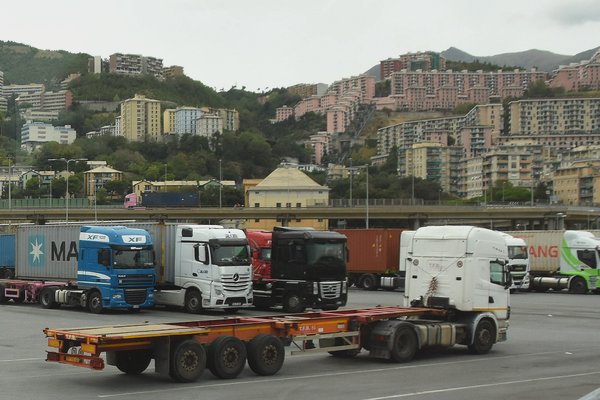
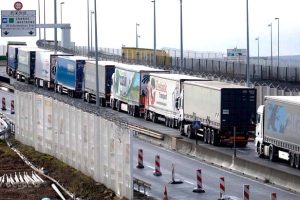
The risk of congestion at borders is a central concern for the sector. Every non EU driver will be subject to the new checks at each crossing, with the first registration estimated to take three to five minutes and subsequent verifications one to two minutes. Under heavy traffic conditions, the impact could be significant. The effects are expected to be particularly severe on links with the United Kingdom, where Dover and Calais are vital hubs for the European supply chain and have already experienced bottlenecks during peak periods.
Potential delays will translate into additional costs for transport companies, from more fuel consumed while waiting at borders to slower deliveries and the need to review routes and contracts with clients. The European Commission has opted for a gradual rollout precisely to soften the blow, but concerns remain high in a sector already under strain. The figures are telling: in France more than 1,300 transport companies went bankrupt in a single year, a 37.8 per cent increase, in Belgium bankruptcies rose by 50 per cent, while in Germany the insolvency rate in logistics is twice the average for other economic sectors.
To manage the transition, Brussels and national governments are investing in technological solutions. Plans include pre registration kiosks and self service systems in stations and ports, along with a dedicated mobile app, Travel to Europe, allowing travellers to enter personal data before reaching the border. In the United Kingdom, Eurostar, Eurotunnel and the Port of Dover have each received 3.5 million pounds in public funding to install the new biometric infrastructure.
Alongside opportunities for modernisation, sensitive issues are emerging. The centralised storage of biometric data, managed by the Eu Lisa agency and accessible to Europol, has drawn strong criticism from digital rights organisations warning of the risk of mass surveillance. Operationally, the technological complexity and delays accumulated by contractors including Atos, Ibm and Leonardo are fuelling fears of a difficult launch, with immediate repercussions on freight traffic.
The Ees also fits into a broader context of digitalisation of border controls. The Import Control System 2 is already in force, requiring advance submission of security declarations for goods, while the Etir system digitalises customs procedures for international road transport. From 2026 the Eu will also introduce Etias, a pre travel authorisation system for visa exempt travellers. In this scenario, road haulage faces a paradigm shift that demands a thorough revision of operating procedures, investment in training and increasingly complex logistical planning.