





- The acquisition of Seatruck by Naviland Cargo – controlled by Sncf – marks a structural strengthening of the road component supporting combined rail container transport.
- The transaction forms part of Rail Logistics Europe’s strategy to build integrated rail-road supply chains, reducing fragmentation in the last mile and increasing the capacity to absorb maritime and continental container flows.
- The backdrop is a relaunch year in 2025 following a challenging 2024, supported by investments in rolling stock, new governance of the combined transport division and a clearer positioning in the European market.
The acquisition of Seatruck by Naviland Cargo represents a significant industrial integration move for the French combined transport market. Announced in early February 2026, the deal involves the transfer of the road haulage brokerage activity specialising in maritime container transport from Sealogis, the logistics brand of the Geodis group, to Naviland Cargo, a company within Sncf’s Rail Logistics Europe division.
Following completion of the transaction, the activity is being presented to the market under the brand name “Seatruck by Naviland”. The choice signals an intention to maintain operational continuity and commercial recognition, while fully integrating Seatruck into the Naviland network. The acquisition comes at a time of broader reorganisation in French rail freight, aimed at strengthening integrated supply chains and the role of combined transport.
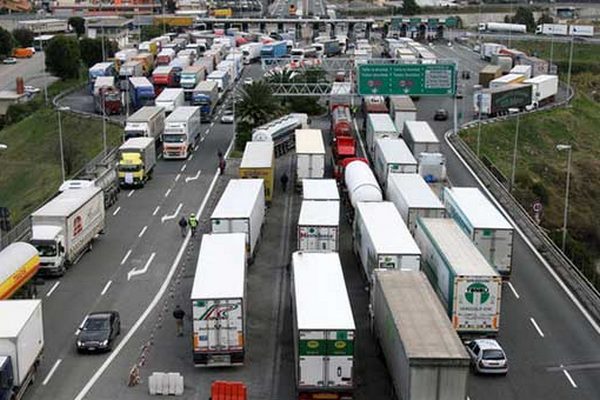
Naviland Cargo is one of France’s leading combined transport operators, focused on container and swap body flows between seaports, inland terminals and industrial areas. Its operating model is based on block trains, complemented by a structured network of road hauliers providing first and last mile services. This network, known as Navitrucking, is a key element of the company’s door-to-door offering.
Prior to the transaction, Naviland relied on a network of around 80 road hauliers. With the integration of Seatruck, this rises to approximately 130, spread across 20 agencies, including four outside France in Germany, the Netherlands, Belgium and Spain. Combined and road transport activities now generate revenues close to €135 million per year, strengthening the group’s industrial weight in container transport.
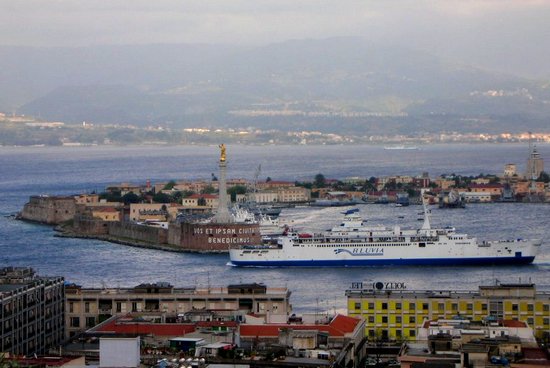
Before the sale, Seatruck operated as Sealogis’s road haulage brokerage arm, specialising in maritime container transport and port-hinterland connections. Its operational network serves France’s main ports, including Le Havre, Dunkerque, Fos-sur-Mer, Bordeaux and Montoir-de-Bretagne, with a customer base comprising freight forwarders, logistics operators and shippers active both on the road and in combined transport.
The acquired perimeter is substantial. Around 50 road hauliers join the Naviland network, contributing an estimated €55 million in annual revenues. The fleet includes roughly 1,200 semi-trailers dedicated to container transport, adding to existing resources. Additional road capacity is estimated at around 150,000 intermodal transport units per year, compared with Naviland’s rail volumes of close to 160,000 units annually.
The integration particularly strengthens the company’s presence in ports along the Channel-Atlantic axis and in the Mediterranean, both strategic areas for French import-export flows. Operationally, the deal reduces reliance on occasional subcontractors in key basins and improves continuity between rail and road, one of the most critical elements of the intermodal chain.
On the one hand, Naviland aims to increase the density of its pre- and post-haulage network, reducing territorial discontinuities between rail terminals and consumption areas. On the other, the acquisition boosts the ability to absorb container flows generated by French ports, improving the overall reliability of combined services.
For Rail Logistics Europe, the transaction is consistent with its rail freight transformation strategy, focused on higher value-added products and closer modal integration. Strengthening the road component, while maintaining an asset-light model, enhances the group’s rail coordination role and enables more effective control of the last mile. For Sealogis and Geodis, the divestment concerns exclusively Seatruck’s road haulage brokerage activity. The group continues to operate in road transport under the “Seatruck Tautliner” brand, focused on other traffic segments. The deal can be seen as a portfolio rationalisation, reallocating resources towards activities more closely aligned with the group’s core logistics business.
The Seatruck acquisition fits into a broader relaunch context for Naviland Cargo. After a difficult 2024, marked by declining volumes and an unfavourable market environment, 2025 has emerged as a restart year. Early indicators point to a more positive commercial dynamic and strengthening at key hubs, including Strasbourg.
This relaunch is also supported by the new architecture of Rail Logistics Europe’s combined transport division, centred on Naviland Cargo and Viia. The reorganisation, announced in April 2025, defines three offering pillars: rolling motorways, maritime combined transport and the development of continental combined transport. Unified management between Naviland and Viia ensures greater strategic alignment and operational synergies, while preserving the autonomy of each entity.
Between late 2024 and 2025, Naviland launched a rolling stock renewal programme worth around €100 million, introducing 800 new 80-foot wagons out of a total fleet of 1,250 units. The new wagons enable operation of trains up to 850 metres long, compared with the previous 730 metres, delivering an estimated 15% increase in overall capacity and improved international operations, particularly towards Spain.
The Seatruck deal contributes to market concentration. A significant share of container road haulage brokerage is now under the control of an operator closely linked to France’s public rail system. For customers, the combined offer gains visibility and coherence, with a single interlocutor able to manage the entire door-to-door chain. For independent hauliers, the integration may create subcontracting opportunities, but also greater competitive pressure in certain regions.
P.R.