



The International Road Transport Union on 24 March 2026 called on EU Transport ministers to take immediate, coordinated action to address the fuel market crisis affecting road transport. In a letter to governments, the organisation highlighted how current tensions over prices and supply are already having concrete operational impacts along Europe’s main corridors, with growing risks to the continuity of logistics services. According to Iru, since the start of the crisis fuel prices for road transport have risen by between 30% and 35%, directly affecting a sector with more than one million operators, largely small and medium-sized enterprises. The sector is highly exposed to energy costs: fuel accounts for around a third of operating costs, while company margins range between 1% and 3%, making it difficult to absorb sudden increases.
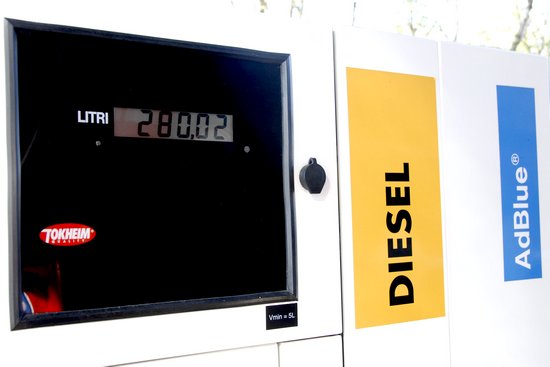
Iru’s European director, Raluca Marian, stressed in the communication that road transport is an essential pillar of the European economy and society, but also highly vulnerable to energy price shocks. Without rapid, coordinated action, there is a risk of disruption to supply chains and to the mobility of people across the Union. The data also highlight the structural scale of the problem: heavy-duty vehicles consume around 6.8 billion litres of diesel per month in the European Union, amplifying the effects of any imbalance between supply and demand. In this context, Iru points to emerging distortions along transport corridors, including delivery delays, limited access to refuelling and imbalances between neighbouring countries.
Among the phenomena observed is so-called “fuel tourism”, namely the movement of vehicles towards areas with lower prices, which further exacerbates local shortages and undermines support measures adopted at national level. The cross-border nature of transport operations also renders uncoordinated responses ineffective, with the risk of further fragmenting the European internal market.
To address the situation, Iru is proposing the urgent convening of an EU Transport Council to define common measures. Options put forward include an emergency plan to safeguard essential logistics flows and mobility, measures to manage sudden demand spikes and cross-border disruptions, a European crisis support framework with higher “de minimis” state aid thresholds, and the creation of a dedicated fund for companies in difficulty.