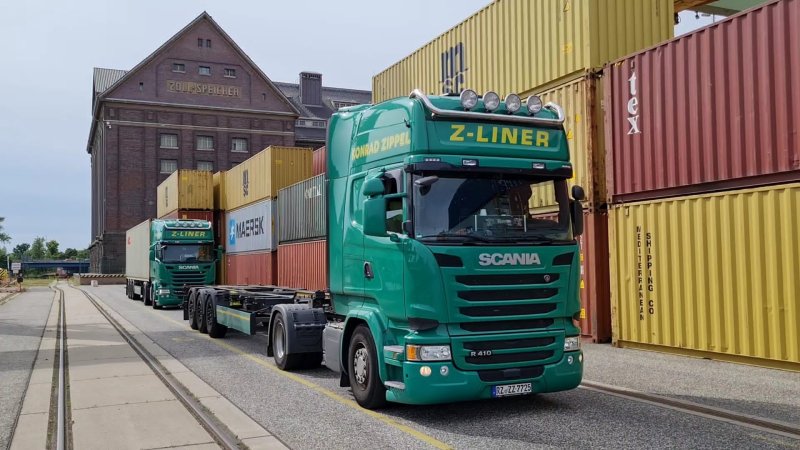






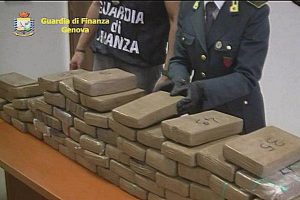
The lemons shipped from Chile had already been unloaded, but the cocaine was still inside the container that had carried them, concealed in an internal vertical bulkhead. Officers from the Guardia di Finanza (Italian Financial Police) discovered the drugs on the night of 6 October 2026 in one of the yards near the port of Prà, where the empty container was loaded onto a semi-trailer. They found 119 packages weighing more than 128 kilograms in total. Four people allegedly involved in recovering the drugs in different capacities were arrested at the scene. The operation began when a patrol working in the port's hinterland, near the customs area, spotted a small group of people moving around a parked articulated lorry. Some entered the container, while several cars nearby were making what officers considered suspicious manoeuvres.
Investigators estimate that the cocaine would have had a retail street value of around €70 million. Concealing drugs within the container's structure rather than among the cargo is part of the evolution of drug traffickers' methods described by Europol in a report published on 27 January 2026. The report highlights the diversification of maritime cocaine trafficking routes and the use of industrial equipment, machinery and commercial materials to conceal drugs. To combat trafficking, the European agency considers cooperation between law enforcement agencies, customs authorities, port authorities and private operators essential.
The most recent comparable case in the Prà port basin dates back to February 2022, when the Guardia di Finanza seized 435 kilograms of cocaine shipped from Brazil to the PSA terminal aboard the container ship MSC Adelaide. The drugs were packed in bags inside a container carrying coffee. A dockworker was arrested at the scene while unloading the bags, and in January 2025 four dockworkers involved in the case received convictions following summary proceedings.