









On 10 March 2025, the Houthi threatened to resume attacks on commercial vessels from 11 March unless Israel reopens humanitarian access to Gaza. The Yemeni group issued this warning following a brief period of calm that lasted several months, stating that hostilities would recommence if the Israeli government does not lift the blockade preventing humanitarian aid from reaching Gaza. The announcement comes at a sensitive time, shortly after the United States re-designated the Houthis as a terrorist organisation, imposing targeted sanctions against the group. The Houthis' tactics include deploying anti-ship missiles, explosive-laden drones, and potentially intercepting maritime communications. One notable threat is the Palestine missile, a medium-range ballistic weapon feared for its accuracy and destructive power.
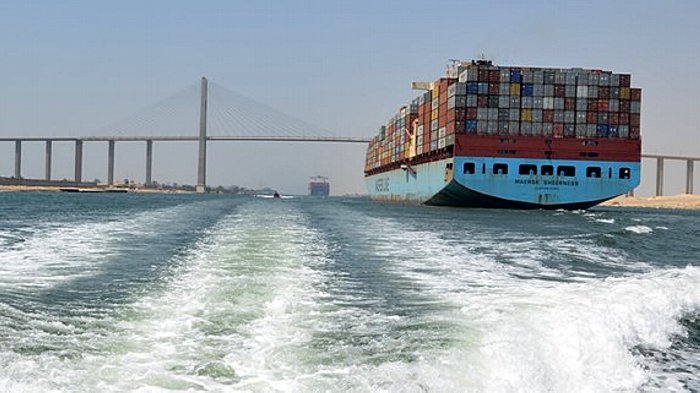
This latest threat diminishes hopes of a swift resumption of container traffic through the Suez Canal, thereby prolonging the alternative route around Africa. This diversion has increased shipping transit times by 30% and fuel costs by 15%, while insurance premiums for navigating the Red Sea have soared by 200%, according to Lloyd’s. Despite international efforts such as Operation Prosperity Guardian, led by the United States and Britain, the Houthis have managed to partially evade deployed maritime defences. Analysts anticipate that attacks will intensify during Ramadan 2025 and could potentially extend as far as the eastern Mediterranean.