





Array ( [0] => 8 [1] => 39 )

Podcast K44

Cronaca

  • Nove camion con centraline AdBlue alterate scoperti a Villorba

    Nove camion con centraline AdBlue alterate scoperti a Villorba

    A Villorba, nel Trevigiano, nove camion avevano le centraline riprogrammate per eludere i controlli sulle emissioni. Nel bilancio dei tre giorni della Polizia Locale anche un cronotachigrafo manomesso, altri non funzionanti, carte di conducenti altrui e sanzioni per oltre 20mila euro.

Transpotalk

Normativa

Mare

  • L’85% della stiva container in sole dieci compagnie

    L’85% della stiva container in sole dieci compagnie

    Secondo la classifica Alphaliner del 9 novembre 2026, i primi dieci vettori marittimi operano circa l'85% della capacità container mondiale e Msc sale a 7,48 milioni di teu, quasi 2,8 milioni più di Maersk. Il portafoglio ordini globale ha superato i 15 milioni di teu.

Autotrasporto

  • Passo avanti per 15 milioni all’autotrasporto siciliano

    Passo avanti per 15 milioni all’autotrasporto siciliano

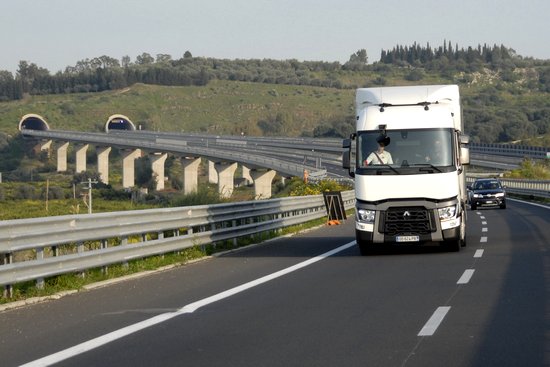
    La Giunta Regionale della Sicilia ha apprezzato lo schema di Decreto sul caro carburante, passaggio che precede il parere dell'Assemblea: 15 milioni di euro a parziale ristoro dei maggiori costi del 2026, contributo fino al 70%, domande entro il 30 novembre 2026. 12 milioni attendono l'autorizzazione della Commissione Europea.

    ERA admits ERTMS standard has spiralled out of control

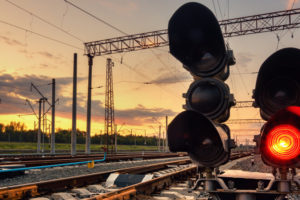
    Better late than never. The European Union Agency for Railways (ERA) has acknowledged what railway undertakings have been saying for some time: the European standard signalling system designed to manage, control and protect rail traffic, known as ERTMS/ETCS, is far from being a single language understood across all European networks. Instead, it has become a collection of dialects with minor differences that nevertheless make them mutually incompatible. The root cause of this confusion lies in the decision to incorporate new specifications into European legislation before they had been fully tested and definitively certified against a single, approved standard applicable to everyone. By failing to do so, the authorities left the door open to repeated changes and national variants. According to ERA Executive Director Oana Gherghinescu, the system "remains Europe's flagship in terms of safety, capacity and punctuality", but the real problem lies in how the various European railway administrations have developed and implemented it.

    For the first time, the European agency has endorsed a demand long advanced by railway undertakings across Europe, including those operating in Italy and represented by Assorotabili: to freeze the existing specifications for a sufficiently long period to allow equipment to be industrialised. This is particularly important because upgrading a single locomotive can cost hundreds of thousands of euros, while each additional variant requires further investment, in what increasingly resembles an endless race.

    The increasingly rapid technological development of successive European and national specifications has undermined the very objective for which ERTMS was created: establishing a single standard. Europe has ultimately ended up with four ETCS levels and three different baselines, which can appear in several variants: L1 BL2, L1 BL3 MR1, L1 BL3 MR1 with Radio Infill, L1 BL3 R2, L2 BL2, L2 BL3 MR1 and L2 BL3 R2. They may look like lottery numbers, but these are the different implementations that European railway undertakings are forced to accommodate. At this point, even the concept of an interoperable locomotive capable of operating along Europe's various rail corridors becomes an illusion. Or rather, it is technically achievable, but only by continuously keeping pace with every new upgrade and bearing the associated costs.

    The original mistake was to make decisions driven almost by enthusiasm, as ERA itself describes it, when preparing new solutions that were initially outlined only in fairly general terms, leaving individual markets to develop the details, with all the limitations this entailed. The European agency now appears to have learnt that lesson and has committed to developing and defining harmonised engineering and operational standards that can be "copied and pasted", to borrow a computing expression, into the binding documentation used when tendering for equipment. The intention is also to incorporate common rules for Automatic Train Operation (ATO) systems into the development of the European standard. ERA's change of direction is encapsulated in what appears to be a new guiding principle, expressed through five concepts sharing the same initial letter: standardise, synchronise, stabilise, simplify and scale. This means gradually eliminating all locally developed subsystems to provide the industry with definitive specifications that remain stable over time. Only then will a fully interoperable European railway system become possible.

    Piermario Curti Sacchi

    © TrasportoEuropa - Riproduzione riservata - Foto di repertorio
    Segnalazioni, informazioni, comunicati, nonché rettifiche o precisazioni sugli articoli pubblicati vanno inviate a: redazione@trasportoeuropa.it


      Puoi commentare questo articolo nella pagina Facebook di TrasportoEuropa

      bottone newsletter piccolo Vuoi rimanere aggiornato sulle ultime novità sul trasporto e la logistica e non perderti neanche una notizia di TrasportoEuropa? Iscriviti alla nostra Newsletter con l'elenco ed i link di tutti gli articoli pubblicati nei giorni precedenti l'invio. Gratuita e NO SPAM!


    CONTENUTI SPONSORIZZATI


Videocast K44

Aereo

  • Nuovo collegamento aereo cargo tra Malpensa e New York

    Nuovo collegamento aereo cargo tra Malpensa e New York

    Emirates SkyCargo schiererà dal 5 dicembre 2026 un Boeing 777F sulla rotta Malpensa-New York, con un volo settimanale. Sul ritorno le merci americane raggiungono Medio Oriente e Asia via Dubai. Nel semestre i ricavi merci del gruppo sono saliti del 52%.

Ferrovia

  • L’Era ammette che lo standard Ertms è sfuggito di mano

    L’Era ammette che lo standard Ertms è sfuggito di mano

    L'Agenzia Ferroviaria Europea ha ammesso che il sistema Ertms resta valido ma è sfuggito di mano, in mille sottosistemi a varianti. Ora l'agenzia si impegna a stabilire norme ingegneristiche e operative armonizzate, come da anni chiedono le imprese ferroviarie.

Persone

  • Giuseppe Melucci confermato presidente di Raccomar Taranto

    Giuseppe Melucci confermato presidente di Raccomar Taranto

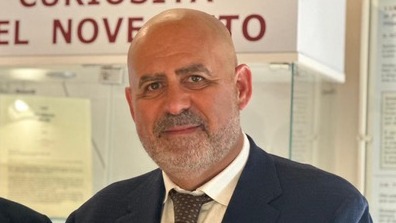
    L'assemblea dei soci di Raccomar Taranto ha rinnovato all'unanimità l'incarico di presidente a Giuseppe Melucci per il biennio 2026-2028. Confermati anche il direttivo e le cariche regionali di Raccomar Puglia e del Gruppo Giovani.
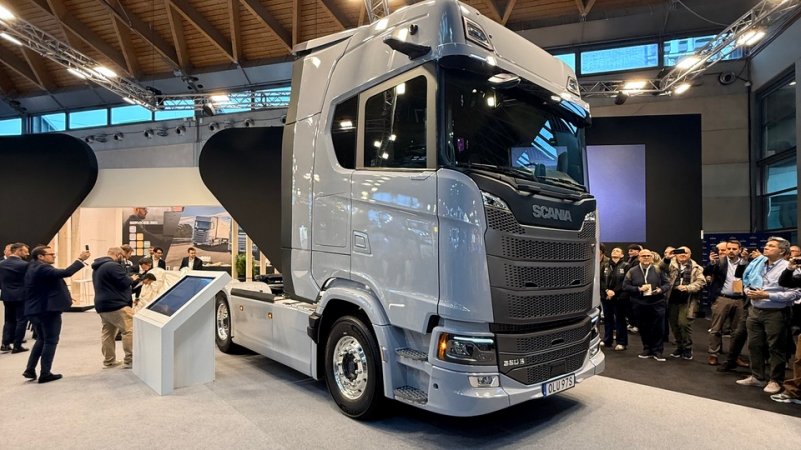
Scania Dynamic debutta in Italia a Ecomondo

TECNICA

Scania Dynamic debutta in Italia a Ecomondo
previous arrow
next arrow
Piattaforma refrigerata per logistica alimentare a Catania

LOGISTICA

Piattaforma refrigerata per logistica alimentare a Catania
previous arrow
next arrow
Torna il taglio delle accise sul gasolio

ENERGIE

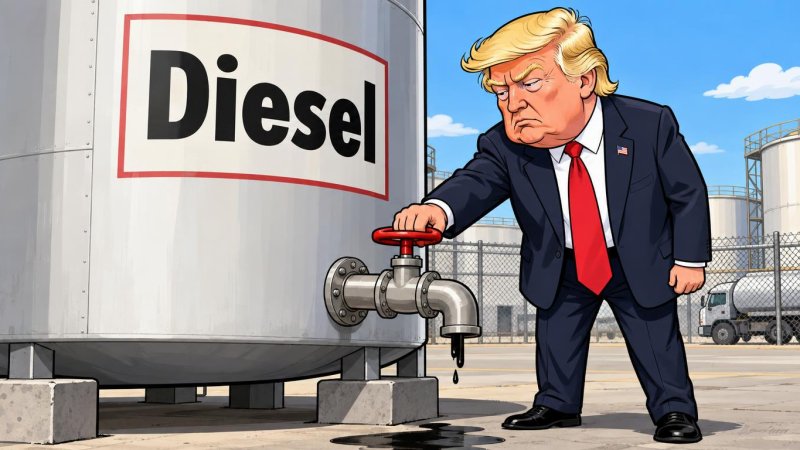
Torna il taglio delle accise sul gasolio
previous arrow
next arrow
Dkv Mobility lancia la carta carburante App&Go in Svizzera

SERVIZI

Dkv Mobility lancia la carta carburante App&Go in Svizzera
previous arrow
next arrow