



An international investigation coordinated by the European Public Prosecutor’s Office (Eppo) has dismantled a criminal network that was selling counterfeit fuel in at least seven European countries, also committing VAT and excise duty fraud amounting to more than two hundred million euros. The operation, led by Eppo in collaboration with the customs offices in Hamburg and Hanover, targeted a transnational criminal network specialised in tax fraud within the fuel sector. Codenamed Water into Wine, the investigation led to the arrest of two individuals in Germany and the seizure of valuable assets including luxury watches, cryptocurrencies, firearms and computer servers. The organisation is suspected of having caused financial damage exceeding 200 million euros, with 66 million in unpaid VAT and more than 137 million in evaded excise duties.
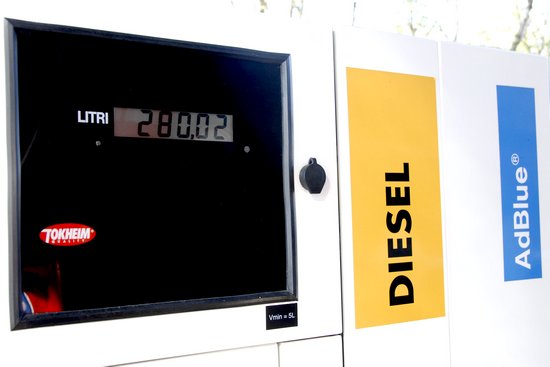
According to the findings, the organisation operated across at least seven European countries – Germany, Belgium, Hungary, Latvia, Lithuania, Poland and Slovakia – using a complex web of commercial triangulations and false customs declarations. At the heart of the fraudulent scheme was the distribution of chemically altered fuel blends designed to evade taxation and traceability checks. These products were introduced into the German market via Poland, where they were falsely declared as lubricating oils, a category not subject to excise duties. Once in Germany, they were reclassified as diesel and sold on the market.
The scheme allowed the true nature of the product to be disguised, breaking the traceability chain and creating the illusion of legitimate commercial transactions. Through a network of shell companies known as “missing traders”, the group issued fake invoices documenting fictitious fuel sales, thereby fraudulently obtaining VAT refunds and simulating the proper payment of excise duties. This ruse deceived not only customs authorities but also end buyers, who believed they were purchasing legitimately taxed fuel.
Profits from these illegal activities were subsequently laundered through the purchase of precious metals or transferred abroad using payment service providers, in a further effort to conceal the origin of the money. The seizures carried out during searches in Berlin and Magdeburg highlight the level of organisation and financial resources available to the criminal group. The entire operation was conducted with the support of Europol, which facilitated coordination and information sharing among the authorities involved through a virtual command platform.