




On 4 July 2025, Deltamarin unveiled the concept design for a 3,500 teu ammonia-powered feeder container ship, the result of a partnership with the Mærsk Mc-Kinney Møller Center for Zero Carbon Shipping, Maersk, Eltronic FuelTech, Everllence, Lloyd’s Register, the Decarb Hub and the American Bureau of Shipping. The concept demonstrates that nitrogen-based fuel can be deployed commercially while maintaining the safety standards of conventional vessels. This conceptual study provides shipowners with a ready-to-industrialise platform, while also highlighting the next hurdles to overcome: the development of boilers and auxiliary systems fully compatible with ammonia, the scaling up of bunkering infrastructure, and the completion of a definitive regulatory framework.
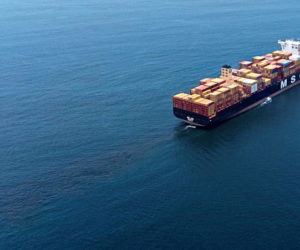
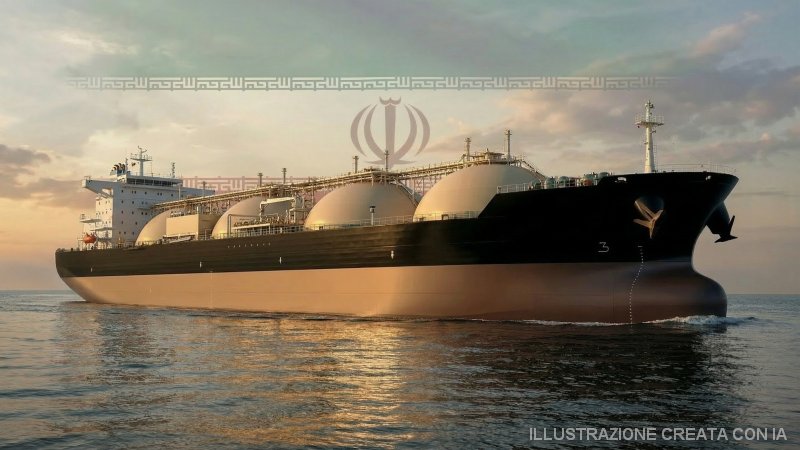
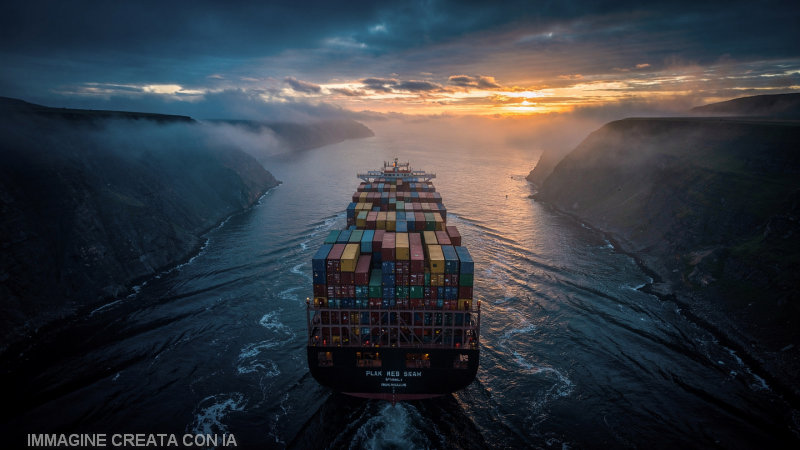
The vessel measures 211.9 metres in length and 35.2 metres in beam, with a capacity of 3,374 teu, including 400 refrigerated containers. At the centre of the hull is a fully refrigerated Type A prismatic tank with a volume of 4,300 cubic metres. This design sacrifices just 128 teu compared to a traditional feeder ship, while maximising volumetric efficiency and minimising fuel evaporation. Propulsion is provided by a Man ES 8G60 dual-fuel engine delivering around 18,500 kW, supported by three auxiliary generators rated at 1,935 kW each, all capable of running on ammonia. Two redundant re-liquefaction systems maintain the tank pressure within a safe range, preventing atmospheric releases and ensuring operational continuity even in the event of a single failure.
From the outset, safety has been at the heart of the concept design. The tank, bunker station and service areas are located in a segregated “ammonia zone”, separate from the aft superstructure housing crew accommodations and the bridge. An extended vent line directs vapours away from occupied areas, while the fuel preparation rooms are recessed into the base of the accommodation block and separated by a gas-tight cofferdam, reducing the length of piping and crew exposure. Watertight corridors, dedicated ventilation, drainage systems and a potential ammonia release management system form part of the ship’s layered physical and procedural safety architecture.
Risk analyses confirmed the effectiveness of this approach. The initial Hazid (hazard identification) process identified 24 “extreme” and 77 “high” risk scenarios, all of which were brought within acceptable thresholds through additional safeguards and procedures. The subsequent Hazop (hazard and operability study) reduced the number of “high” risks to eight, while the Qra (quantitative risk assessment) showed that the individual risk index on board falls well within international limits.
The outcome earned the concept a dual Approval in Principle from Lloyd’s Register and ABS, certifying compliance with the IGF Code and Solas through the “alternative design” pathway. “With this study, we are moving from declarations to engineering reality. We have demonstrated that, by integrating the right barriers from the start, ammonia-fuelled vessels can offer a safe and viable route to shipping decarbonisation,” said Evangelos Fragkoulis, Head of Ship Design at the Danish centre.