





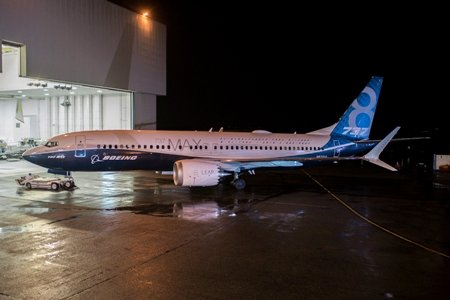
Within a few months, two serious air accidents involving Boeing B737 Max aircraft occurred: the first in Indonesia in 2018 and the second in Ethiopia the following year. The two crashes claimed a total of 346 lives. On October 29, 2018, Lion Air Flight 610 crashed, killing all 189 people on board. The aircraft, a 737 MAX 8 with only 800 flight hours, plunged into the Java Sea thirteen minutes after takeoff. Less than five months later, on March 10, 2019, another 737 MAX 8 operated by Ethiopian Airlines (Flight 302) crashed after taking off from Addis Ababa, Ethiopia, killing all 157 people on board.
Subsequent investigations revealed that both accidents were caused by a defect in the flight control system known as MCAS (Maneuvering Characteristics Augmentation System). This system is designed to prevent stalling, but in these cases, it repeatedly forced the aircraft's nose downward due to erroneous data from a faulty sensor, making it impossible for the pilots to regain control.
In the months following, Boeing was accused of concealing details about MCAS from flight regulators and its own test pilots during the development of the 737 Max. The company also obtained permission from the FAA (the United States Federal Aviation Administration) to remove any mention of the system from the Max pilots' manual.
After these accidents and the initial investigation results, aviation regulators worldwide grounded the entire 737 Max fleet for nearly two years until Boeing implemented software fixes to address the MCAS issues. Meanwhile, the United States Department of Justice launched a criminal investigation in January 2024 following another incident involving an Alaska Airlines B737 Max 9, where a panel detached in flight, although there were no casualties. This incident occurred two days before the expiration of the 2021 agreement that had shielded Boeing from prosecution over the previous fatal crashes.
In March 2024, the Department of Justice accused Boeing of violating the terms of the deferred prosecution agreement reached in early 2021 following the two fatal 737 MAX crashes. This violation triggered the fraud prosecution against the FAA. On June 30, the Department offered Boeing a settlement to avoid trial.
On July 8, U.S. newspapers reported that Boeing had accepted the settlement, pleading guilty to fraud, agreeing to pay a fine of $243.6 million, and committing to invest at least $455 million over the next three years to enhance its safety and compliance programs under the supervision of an independent body. Additionally, Boeing's board of directors must meet with the families of the crash victims.
However, some of the victims' families are not satisfied with this resolution, considering the settlement too lenient on Boeing. Their lawyers have announced plans to take the case to court. This poses a significant risk for Boeing, as a court conviction would label the company as a convicted criminal, jeopardizing its ability to secure government contracts.
There is also the matter of Boeing's international reputation, which has already been damaged by the investigations following the two fatal crashes and is unlikely to be improved by the settlement. For an aircraft manufacturer, there is nothing worse than a tarnished reputation, especially concerning safety issues.