





Array ( [0] => 8 [1] => 10155 )

Podcast K44

Cronaca

  • Carabinieri scoprono 387 kg di hashish su camion a Capua

    Carabinieri scoprono 387 kg di hashish su camion a Capua

    Un autoarticolato con targa spagnola partito da Barcellona e diretto nel Casertano è stato fermato dai carabinieri al casello di Capua lungo l’A1. Nel semirimorchio, tra l’ortofrutta i militi hanno scoperto 387 kg di hashish confezionati in panetti.

Normativa

Mare

  • Cargo colpito nello Stretto di Hormuz

    Cargo colpito nello Stretto di Hormuz

    La mattina dell’11 marzo 2026 la Marina Militare britannica ha comunicato che una nave cargo è stata colpita nello Stretto di Hormuz, mentre cresce l’allarme sulle mine che l’Iran vorrebbe dispiegare.

Autotrasporto

  • Come l’autotrasporto può affrontare la crisi del gasolio

    Come l’autotrasporto può affrontare la crisi del gasolio

    Le tensioni geopolitiche nel Golfo fanno impennare il prezzo del gasolio in Italia, superando la media nazionale di due euro al litro. Secondo la Fiap, il comparto del trasporto su strada ha già sostenuto 80 milioni di euro di extracosti in una sola settimana e indica come usare la normativa …

    3.6 million truck driver vacancies worldwide

    Immagine: TrasportoEuropa

    The IRU’s Global Truck Driver Shortage Report 2024, released in April 2025, paints a stark picture of the chronic shortage of drivers in the global road transport industry, with approximately 3.6 million vacancies recorded across all continents. At the same time, the average age of drivers continues to rise, signalling a long-term structural issue. Although the number of unfilled positions appears stable compared to the previous year, this is largely due to a temporary dip in transport demand. Beneath the surface, however, lies a persistent and deep-rooted problem that could worsen in the coming years unless tackled with decisive, strategic action.

    A key issue highlighted in the report is the ageing of the workforce. More than 31.6 per cent of active drivers are over 55, while only 6.5 per cent are under 25. This demographic imbalance points to a broader issue around the job’s appeal. Many young people perceive truck driving as an unrewarding, exhausting occupation that is incompatible with a balanced personal life. Some countries reveal even more troubling figures: in Italy, just 2.2 per cent of drivers are under 25, while in Spain the figure stands at 3 per cent. At the same time, the proportion of drivers over 55 reaches 45 per cent in Italy and as high as 50 per cent in Spain. This suggests that in the next five to ten years, millions of drivers could retire without a sufficient generational turnover to ensure operational continuity.

    The sector also suffers from a pronounced gender imbalance. Globally, women make up less than 6 per cent of the driving workforce, with the highest figure, 8 per cent, recorded in the United States. Barriers to entry for women are numerous, ranging from inadequate facilities at rest areas to inflexible working hours and a lack of work-life balance support. According to the IRU, encouraging more women into the profession could significantly expand the potential labour pool while improving diversity and inclusivity in the sector.

    There are significant barriers preventing new entrants from joining the profession. Chief among them are the high costs of obtaining professional licences, cumbersome training procedures, a lack of promotion of the profession within the education system, and a negative public perception that still views the role more as a sacrifice than a viable career.

    The IRU warns that without strong, coordinated international measures, the number of vacant positions could double by 2028. This would have serious repercussions for global logistics and the reliability of supply chains. The economic impact could be significant, affecting transport costs, delivery punctuality, and ultimately the retail prices of consumer goods.

    The organisation puts forward a number of potential solutions. Among the most prominent are simplifying entry routes into the profession for young people through financial incentives and targeted school programmes, and boosting female participation with support policies, mentoring initiatives and safer infrastructure. It also suggests that carefully designed migration policies could help alleviate short-term shortages by facilitating the entry of qualified drivers from third countries.

    Digitalisation and technological innovation are identified as additional tools for reducing workload, enhancing safety and simplifying fleet management. The adoption of technologies such as driver assistance systems, predictive logistics, and digital route planning platforms could help make the profession more attractive, particularly to younger generations.

    Another important insight from the 2024 IRU report is the geographical distribution of driver shortages across different continents. The situation varies widely, with some regions more severely affected than others. In Europe, the shortage remains acute, with 426,000 unfilled positions (12 per cent of the total), particularly in Germany, Poland, Italy and Spain. The problem is worsening due to an ageing workforce and the low appeal of the profession for young people. Europe’s driver shortage is also compounded by complex regulations and limited cross-border mobility, making international recruitment even more difficult.

    The situation in the United States and Mexico is similar. Transport demand remains high, but the profession continues to struggle with a chronic lack of younger drivers. There are 67,000 vacant positions in the US and 99,000 in Mexico. In both countries, generational turnover is insufficient and retirements are accelerating. However, there is more interest here than elsewhere in implementing advanced technological solutions and improving working conditions.

    In Asia, the picture is mixed. In Japan, demographic ageing is having a direct impact on the freight transport workforce, with a growing shortage of drivers. In contrast, countries like India and China have a larger labour pool, but often lack professional standards, adequate infrastructure and contractual protections, making it difficult to retain qualified personnel. Even so, China alone accounts for 2.9 million vacancies, equivalent to 16 per cent of the global total.

    In the Middle East and parts of Africa, the shortage is less pronounced in absolute terms, but is growing in relative terms. Economic development is driving increased transport demand, while vocational training and regulatory frameworks remain at an early stage. Finally, in Latin America, the situation is uneven, with key challenges including safety, working conditions and a lack of certified training pathways.


    © TrasportoEuropa - Riproduzione riservata - Foto di repertorio
    Segnalazioni, informazioni, comunicati, nonché rettifiche o precisazioni sugli articoli pubblicati vanno inviate a: redazione@trasportoeuropa.it


      Puoi commentare questo articolo nella pagina Facebook di TrasportoEuropa

      bottone newsletter piccolo Vuoi rimanere aggiornato sulle ultime novità sul trasporto e la logistica e non perderti neanche una notizia di TrasportoEuropa? Iscriviti alla nostra Newsletter con l'elenco ed i link di tutti gli articoli pubblicati nei giorni precedenti l'invio. Gratuita e NO SPAM!



    CONTENUTI SPONSORIZZATI


Videocast K44

Aereo

  • Aeroporti del Golfo Persico in parziale riapertura

    Aeroporti del Golfo Persico in parziale riapertura

    La mattina del 10 marzo 2026, gli aeroporti del Golfo Persico operano in modalità ridotta dopo oltre una settimana di chiusure causate dal conflitto. Dubai, Doha e Abu Dhabi sono parzialmente operative, decine di vettori internazionali mantengono sospensioni su numerose rotte e il trasporto aereo merci subisce contraccolpi rilevanti sulle …

Ferrovia

  • La galleria del Brennero sarà rinviata al 2034?

    La galleria del Brennero sarà rinviata al 2034?

    L'apertura della galleria ferroviaria di base del Brennero potrebbe slittare di due anni e quindi nel 2034. L’ipotesi nasce su una richiesta avanzata dal consigliere di Stato ai Trasporti austriaco a Bbt con l'invito a comunicare una "data realistica".

Persone

  • Torello perde il fondatore Nicola

    Torello perde il fondatore Nicola

    La mattina del 5 marzo 2026, la società di trasporto campana Torello ha annunciato la morte del fondatore Nicola Torello. Ha trasformato un’impresa individuale in una multinazionale europea.
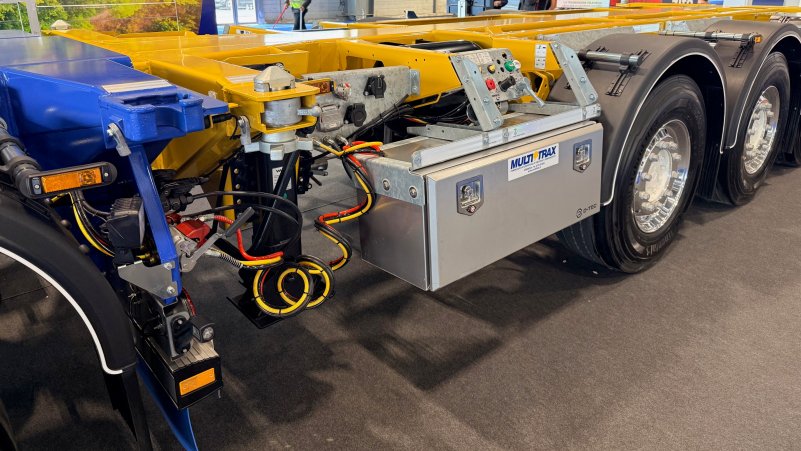
Multitrax presenta un semirimorchio per container separabile

TECNICA

Multitrax presenta un semirimorchio per container separabile
Geotab presenta la dash cam GO Focus Pro con IA

TECNICA

Geotab presenta la dash cam GO Focus Pro con IA
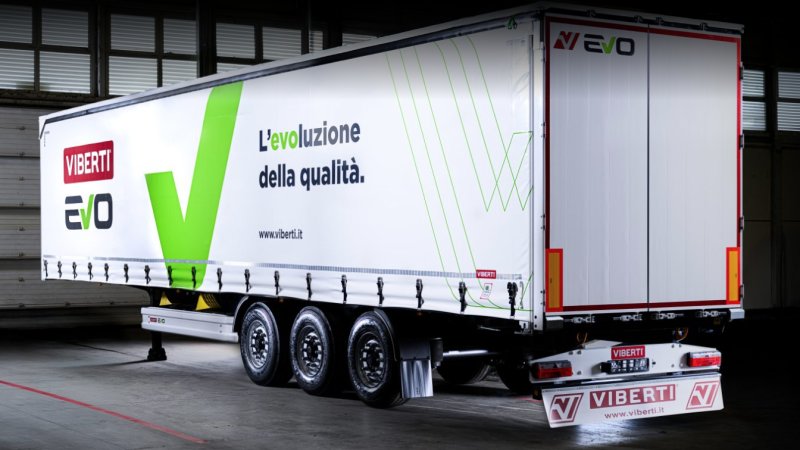
Viberti presenta Evo, semirimorchio centinato competitivo

TECNICA

Viberti presenta Evo, semirimorchio centinato competitivo
Camion ad accesso laterale integrale per la distribuzione

TECNICA

Camion ad accesso laterale integrale per la distribuzione
Nuovo semirimorchio Schmitz, con uno sguardo all’America

TECNICA

Nuovo semirimorchio Schmitz, con uno sguardo all’America
previous arrow
next arrow
Come lo spedizioniere può affrontare una crisi geopolitica

LOGISTICA

Come lo spedizioniere può affrontare una crisi geopolitica
Raben Italy rafforza hub logistico Bologna

LOGISTICA

Raben Italy rafforza hub logistico Bologna
Confetra ricorre al Tar contro la tassa sui pacchi

LOGISTICA

Confetra ricorre al Tar contro la tassa sui pacchi
Due arresti per appalti illegali nella logistica di Trieste

LOGISTICA

Due arresti per appalti illegali nella logistica di Trieste
Tribunale di Milano sequestra 27 milioni a Ceva per frode fiscale

LOGISTICA

Tribunale di Milano sequestra 27 milioni a Ceva per frode fiscale
previous arrow
next arrow
Anche lo Hvo segue l’aumento di prezzo del gasolio

ENERGIE

Anche lo Hvo segue l’aumento di prezzo del gasolio
Aumentano le gasiere dirottate dall’Europa all’Asia

ENERGIE

Aumentano le gasiere dirottate dall’Europa all’Asia
La guerra all’Iran spinge in alto il prezzo di gasolio e Gnl

ENERGIE

La guerra all’Iran spinge in alto il prezzo di gasolio e Gnl
La crisi di Hormuz può portare il gas europeo a 90 € per MWh

ENERGIE

La crisi di Hormuz può portare il gas europeo a 90 € per MWh
Hormuz bloccato e i prezzi di petrolio e gas aumentano

ENERGIE

Hormuz bloccato e i prezzi di petrolio e gas aumentano
previous arrow
next arrow
Padrosa realizzerà un parcheggio per camion ad Alessandria

SERVIZI

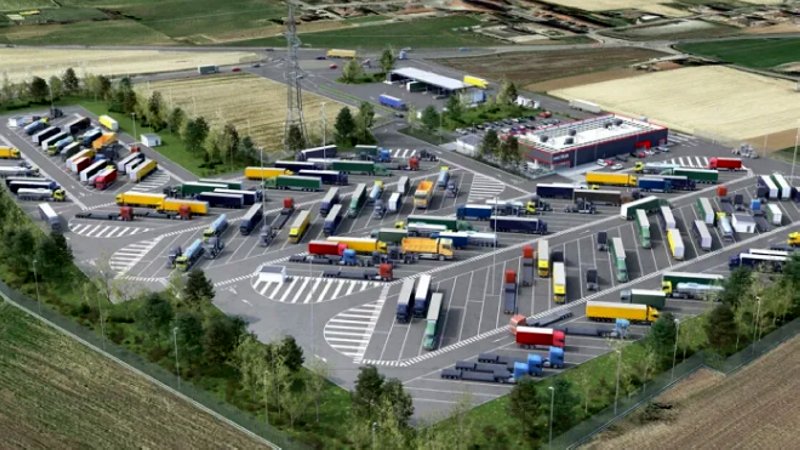
Padrosa realizzerà un parcheggio per camion ad Alessandria
Leviahub e Pionira accelerano sull’adozione dell’eCmr

SERVIZI

Leviahub e Pionira accelerano sull’adozione dell’eCmr
Trans.eu avvia il pagamento sicuro per l’autotrasporto europeo

SERVIZI

Trans.eu avvia il pagamento sicuro per l’autotrasporto europeo
Sanilog rinnova nel 2026 il piano sanitario per lavoratori della logistica

SERVIZI

Sanilog rinnova nel 2026 il piano sanitario per lavoratori della logistica
L’IA si sta sempre più integrando nel trasporto

SERVIZI

L’IA si sta sempre più integrando nel trasporto
Scania amplia la rete di assistenza nel Lazio

SERVIZI

Scania amplia la rete di assistenza nel Lazio
Nuovi contributi per cibersicurezza alle Pmi e autonomi

SERVIZI

Nuovi contributi per cibersicurezza alle Pmi e autonomi
Dkv Mobility presenta un nuovo software per gestione trasporti

SERVIZI

Dkv Mobility presenta un nuovo software per gestione trasporti
Forto nomina Matteo Caiti Country Manager Italia

SERVIZI

Forto nomina Matteo Caiti Country Manager Italia
Nuove tecnologie Geotab per il trasporto refrigerato

SERVIZI

Nuove tecnologie Geotab per il trasporto refrigerato
Sanzione antitrust di 5 milioni sul noleggio veicoli per Ald

SERVIZI

Sanzione antitrust di 5 milioni sul noleggio veicoli per Ald
Circle Group potenzia software per porti e interporti

SERVIZI

Circle Group potenzia software per porti e interporti
Scania realizza una struttura per i camion a Milano

SERVIZI

Scania realizza una struttura per i camion a Milano
Transporeon introduce nuove soluzioni TMS con l’intelligenza artificiale

SERVIZI

Transporeon introduce nuove soluzioni TMS con l’intelligenza artificiale
Pietro Lanza è direttore generale di SB Italia

SERVIZI

Pietro Lanza è direttore generale di SB Italia
previous arrow
next arrow