



Array ( [0] => 8 [1] => 39 )

Podcast K44

Cronaca

  • Autobotte senza patente né assicurazione a Canicattì

    Autobotte senza patente né assicurazione a Canicattì

    I Carabinieri hanno fermato a Canicattì un'autobotte con 5mila litri d'acqua priva di documenti su provenienza e salubrità. Il conducente, 59 anni, aveva la patente revocata e il mezzo non era assicurato. Sanzioni per 8.466 euro, fermo e sequestro ai fini della confisca.

Transpotalk

Normativa

Mare

  • Aumentano i noli container dalla Cina al Mediterraneo

    Aumentano i noli container dalla Cina al Mediterraneo

    I noli medi spot del trasporto marittimo dei container rilevati dal World Container Index di Drewry calano complessivamente del 3% a 4.032 dollari per feu, trascinati dall'ottava settimana di ribassi sul transpacifico. Ma la rotta Shanghai-Genova guadagna l'8% e dal 1° dicembre molte compagnie annunciano supplementi e nuove tariffe sull'Asia-Europa.

Autotrasporto

  • Fercam usa l’intelligenza artificiale per le offerte urgenti

    Fercam usa l’intelligenza artificiale per le offerte urgenti

    Sulle tratte del progetto pilota di quotazione basata sull'intelligenza artificiale, Fercam risponde alle richieste di trasporto urgente in pochi secondi anziché in quattro-sei minuti. Le offerte inviate sono cresciute dell'80% e oltre 6.400 quotazioni automatiche hanno liberato circa 240 ore di lavoro al mese.

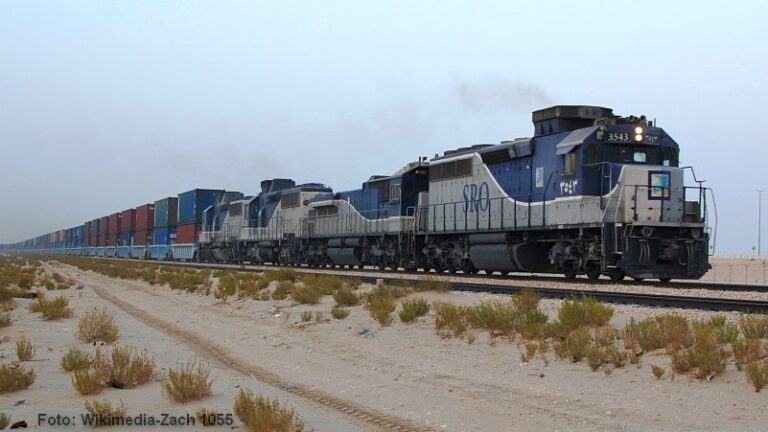
    Saudi Arabia boosts overland intermodal corridors to bypass Hormuz

    Foto: Wikimedia Zach1055

    Saudi Arabia is mobilising its resources to move freight along overland routes in order to avoid shipping through the Strait of Hormuz, which remains effectively closed. Saudi Railway Company has announced plans to activate five new logistics corridors aimed at strengthening links between Gulf ports, inland areas and the northern border with Jordan. The network is intermodal, combining rail and road transport, and connects major Gulf ports – including Dammam, Jubail and Ras Al-Khair – with Riyadh Dry Port, a central hub for domestic container handling, as well as industrial centres such as Al-Kharj and Hail.

    Available information does not include a detailed technical breakdown of the five corridors, nor operational parameters such as capacity in tonnes or TEU. However, the nodes identified suggest a modular network configuration. The corridors combine existing rail segments with road connections to serve different types of flows, including container traffic, petrochemicals and mining-related cargo. In this setup, Riyadh Dry Port acts as the central sorting hub, while coastal terminals serve as entry and exit points for maritime traffic. The multimodal corridors are designed to reduce transit times and costs through greater use of rail over long distances, with the aim of shifting freight from road to rail, improving flow reliability and reducing dependence on a road network prone to congestion.

    The initiative forms part of the National Transport and Logistics Strategy and Saudi Vision 2030, which aim to diversify the country’s economy and strengthen its role in trade flows between Asia, Europe and Africa. In this context, rail corridors represent the land component of an integrated network that also includes port and airport infrastructure. Through this approach, Saudi Arabia is seeking to position itself as a logistics hub along the east–west axis, leveraging its geographic location and ongoing infrastructure investment.

    From a network configuration perspective, the corridors can be seen as complementary to the Saudi Landbridge project, the planned rail backbone linking the Gulf and the Red Sea. In this view, the new links function as feeder and distribution systems, designed to channel flows towards a future high-capacity east–west corridor. At the same time, the connection to the Jordanian border strengthens the role of the Saudi network as a land bridge to the Levant, expanding options for regional traffic.

    Despite the project’s technical framework, several areas of uncertainty remain for logistics operators. First, the lack of data on capacity, frequency and transit times makes it difficult to assess the service’s competitiveness compared with road transport or other regional alternatives. Second, there is no information on pricing models or potential incentives to encourage modal shift. Another key issue concerns the level of operational integration between railways, ports and customs systems. The effective functioning of the corridors depends on the ability to coordinate flows, documentation and terminal access, yet available sources do not provide details on the digital systems or procedures in place to ensure operational continuity across the entire logistics chain.


    © TrasportoEuropa - Riproduzione riservata - Foto di repertorio
    Segnalazioni, informazioni, comunicati, nonché rettifiche o precisazioni sugli articoli pubblicati vanno inviate a: redazione@trasportoeuropa.it


      Puoi commentare questo articolo nella pagina Facebook di TrasportoEuropa

      bottone newsletter piccolo Vuoi rimanere aggiornato sulle ultime novità sul trasporto e la logistica e non perderti neanche una notizia di TrasportoEuropa? Iscriviti alla nostra Newsletter con l'elenco ed i link di tutti gli articoli pubblicati nei giorni precedenti l'invio. Gratuita e NO SPAM!


    CONTENUTI SPONSORIZZATI


Videocast K44

Aereo

  • Rallenta il cargo aereo negli aeroporti italiani

    Rallenta il cargo aereo negli aeroporti italiani

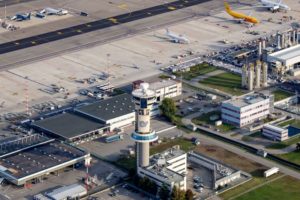
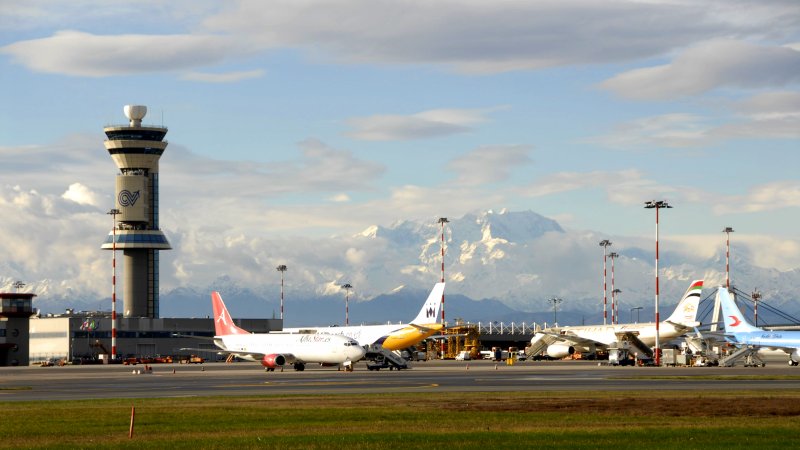
    Nel 2025 il traffico merci negli scali italiani è cresciuto dell'1,7%, a 1,271 milioni di tonnellate, ma nei primi nove mesi del 2026 è sceso dello 0,9%, con Malpensa a -6%. Lo rileva il rapporto Anama-Centro Studi Fedespedi sui bilanci delle 19 principali società di gestione.

Ferrovia

  • Record di traffici per le ferrovie ucraine

    Record di traffici per le ferrovie ucraine

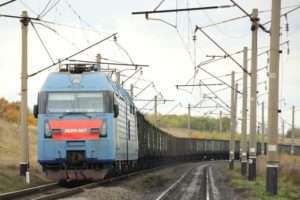
    Record di traffici merci per il trasporto ferroviario tra l'Ucraina e l'Europa, che sta raggiungendo la congestione. Il treno ha preso il posto soprattutto del trasporto marittimo per ragioni di sicurezza legate alla guerra, ha spinto le autorità ucraine ad adottare lo scartamento standard europeo.

Persone

  • Federico Di Carlo eletto presidente di Assotir

    Federico Di Carlo eletto presidente di Assotir

    Il 13 novembre 2026 l'Assemblea Nazionale ha eletto all'unanimità alla presidenza Federico Di Carlo, che succede ad Anna Vita Manigrasso. Tra le priorità il ripristino dei costi minimi della sicurezza e il contrasto all'intermediazione parassitaria.
Semirimorchio Berger con assi avanzati per camion elettrici

TECNICA

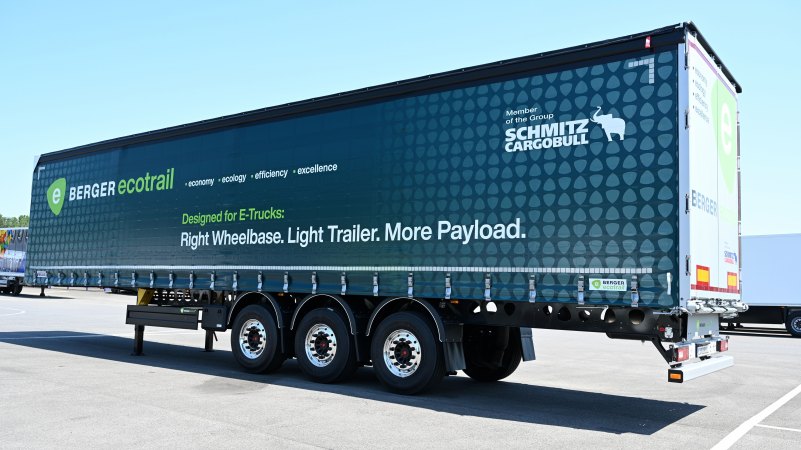
Semirimorchio Berger con assi avanzati per camion elettrici
previous arrow
next arrow
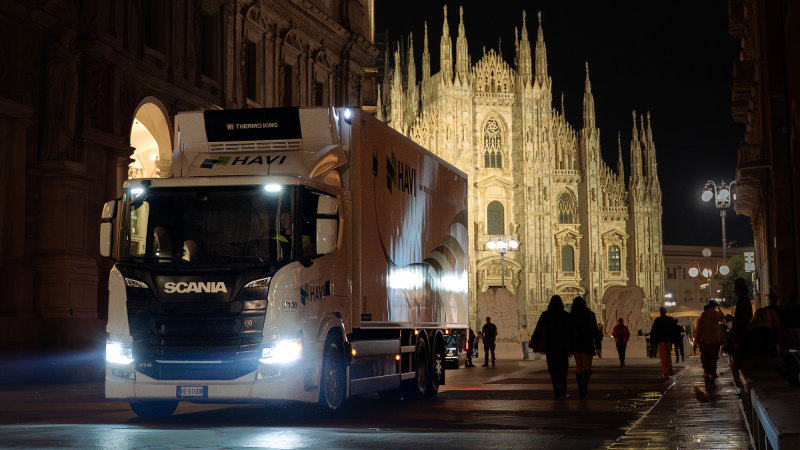
Havi consegna a Milano con camion elettrico Scania

LOGISTICA

Havi consegna a Milano con camion elettrico Scania
previous arrow
next arrow
Caro gasolio, fino al 30 novembre le domande al Mit

ENERGIE

Caro gasolio, fino al 30 novembre le domande al Mit
previous arrow
next arrow
Als Battaglino porta lo sdoganamento a Genova

SERVIZI

Als Battaglino porta lo sdoganamento a Genova
previous arrow
next arrow