






On the afternoon of Thursday 5 February 2026, at around 17:00, a motorway police patrol stopped a Dutch articulated lorry near the German A20 motorway, close to Wismar in the Land of Mecklenburg-Vorpommern. The truck, loaded with scrap metal, was travelling from Anklam to the Netherlands. According to the police of the Land Mecklenburg-Vorpommern (Mecklenburg-Western Pomerania), the stop was prompted by suspected speeding.
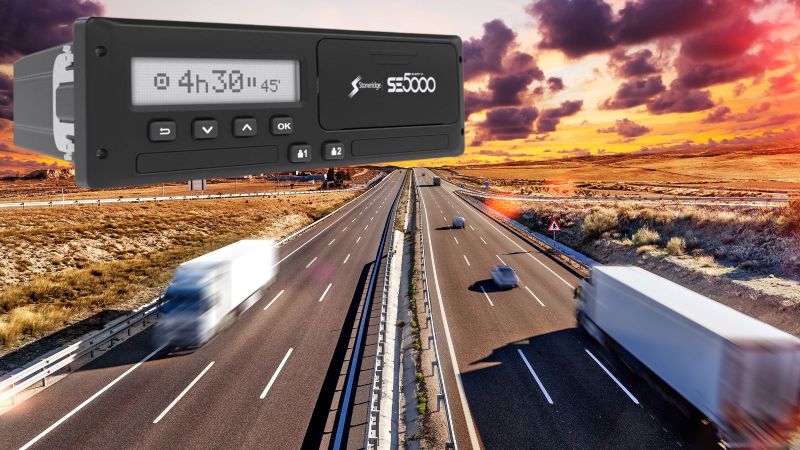
During the inspection, officers checked the vehicle’s documents and tachograph, identifying irregularities that led them to carry out further investigations. In particular, concerns emerged regarding compliance with the permitted gross vehicle weight. The vehicle was then escorted to the premises of a company in Wismar to be weighed on an industrial scale. The result showed a gross weight of 74.4 tonnes, compared with the legal limit of 40 tonnes for an articulated lorry. The overload amounted to 34.4 tonnes, approximately 86% above the permitted limit.
Analysis of the tachograph data also revealed that the articulated lorry had previously reached a top speed of 137 km/h. In Germany, except in specific cases, the motorway speed limit for trucks over 3.5 tonnes is 80 km/h. As a result, officers prohibited the vehicle from continuing its journey until it complied with weight regulations. In practical terms, the load must be reduced to within the 40-tonne limit before the vehicle can resume its trip. The driver, a 31-year-old Dutch national, was also required to pay an immediate security deposit of €3,500, a measure applied when the person responsible is not domiciled in Germany.