






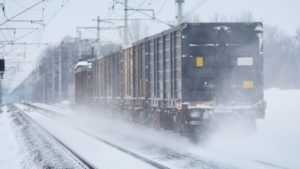
On 9 January 2025 the European transport system experienced one of its most difficult days in recent years due to a wave of winter weather stretching from the United Kingdom to Germany, from the Netherlands and Belgium through to France and Switzerland. Heavy snow, frost and ice hit the main continental corridors simultaneously, putting particular pressure on freight transport, which was already operating with limited spare capacity.
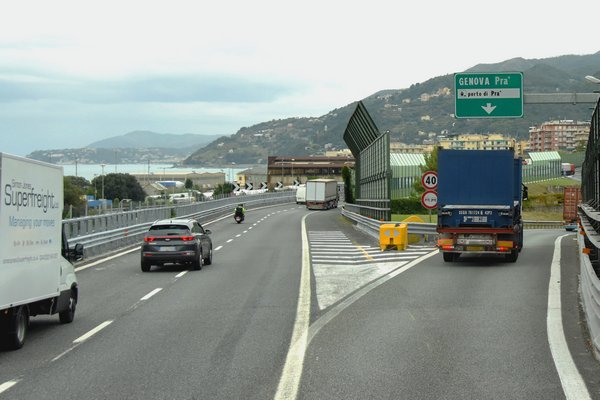
Road transport has proved the most exposed segment. In Germany, the Meteorological Service reported snowfall concentrated within a few hours, with accumulations of up to 15 centimetres across the northern plains and higher levels in central upland areas. According to police authorities, heavy goods traffic was the main cause of blockages, with numerous lorries jack-knifing on strategic routes such as the A7, A4 and A5 motorways, leading to closures in both directions and long tailbacks. In Lower Franconia, around two dozen HGVs were stranded overnight, requiring intervention by civil protection services.
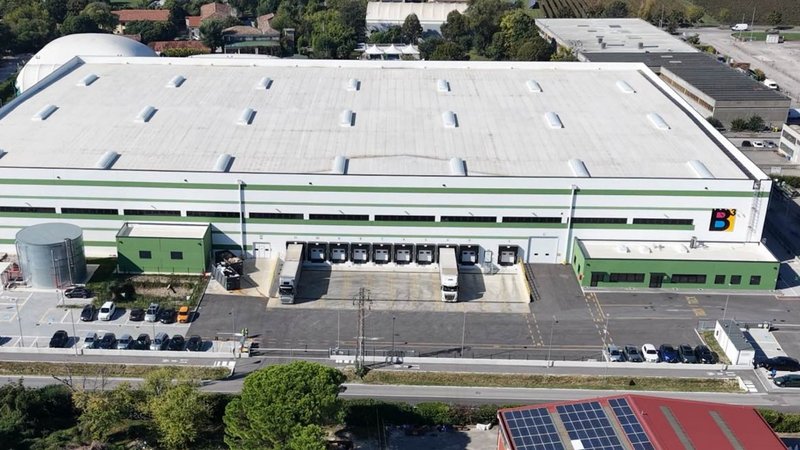
In Belgium and the Netherlands, as logistics operators told specialist agri-food trade publications, the situation deteriorated rapidly during peak hours, with crawling traffic and growing difficulties in reaching warehouses and distribution hubs, especially along secondary roads. The delays affected delivery punctuality and driver shift planning, increasing unplanned operating hours.
Rail freight has also suffered significant disruption. In Germany, Deutsche Bahn adopted a highly precautionary approach, substantially reducing services in the north of the country. According to broadcaster Zdf, the decision to hold trains in stations to avoid unsafe conditions had a direct impact on freight flows, particularly at marshalling yards around Hanover.
In the Netherlands, operator Ns introduced a reduced timetable due to adverse weather conditions, leaving fewer train paths available for freight services. The problems were compounded by points failures and issues within management systems, as confirmed by infrastructure manager ProRail. Disruptions on the German network also had cross-border effects, limiting international rail connections and forcing some cargo onto road transport in an already congested environment.
Air transport felt the impact mainly at northern European airports, with knock-on effects for high-value logistics. At Schiphol, according to the airport and KLM, hundreds of flights were cancelled in the days around 9 January, affecting urgent cargo and airmail. A critical factor was a shortage of de-icing fluid, which the Dutch carrier linked to supply chain delays and higher-than-expected consumption due to extreme cold.
Paris Charles de Gaulle and Orly airports also significantly reduced operations, as indicated by the French Ministry of Transport, prioritising runway safety and de-icing activities. In Germany, Berlin Brandenburg Airport issued an orange operational alert for potential cancellations and delays, while Frankfurt performed better thanks to less severe weather, highlighting the uneven geographical impact of the event.
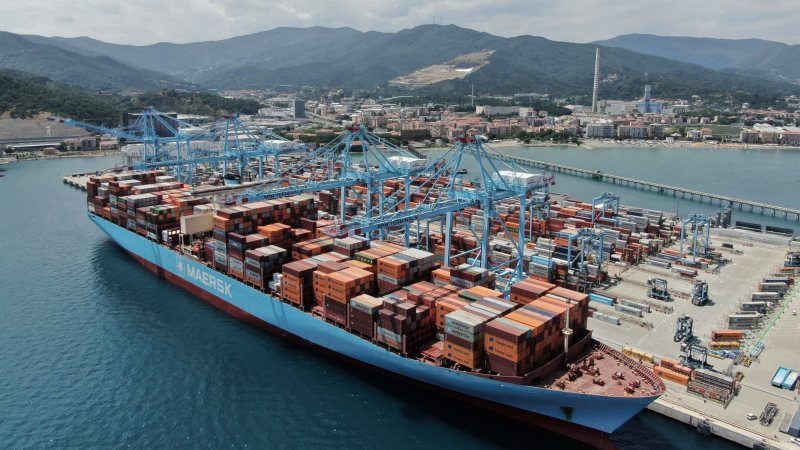
On the maritime and inland waterways front, the weather exacerbated existing structural bottlenecks. According to an operational update from Maersk, winter conditions slowed operations at the ports of Rotterdam, Hamburg and Antwerp, with waiting times for large container vessels ranging between 24 and 48 hours.
In Rotterdam and Antwerp, as highlighted by inland transport operator Contargo, barges recorded average waiting times of 39 hours and 44 hours respectively, signalling congestion spreading along the entire intermodal chain. Pressure was particularly acute for refrigerated containers, with limited availability of power plugs at terminals, a critical issue for perishable goods.
Overall, the picture shows how the 9 January 2025 event acted as a multiplier of vulnerabilities. According to the European Centre for Medium-Range Weather Forecasts and Copernicus programme data, the cold wave affected a large part of the continent, with temperature anomalies of up to minus 15 degrees compared with seasonal averages. The simultaneous impact on roads, rail, air and ports disrupted supply chains sensitive to punctuality, from fresh food and pharmaceuticals to just-in-time manufacturing models. Testimonies from logistics operators point to rising operating costs linked to delays, rescheduling and additional working hours, in a context where the resilience of European infrastructure to extreme cold is increasingly confirmed as a central issue for the sector.
Antonio Illariuzzi