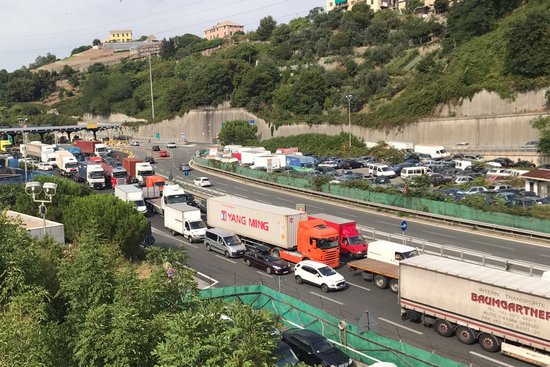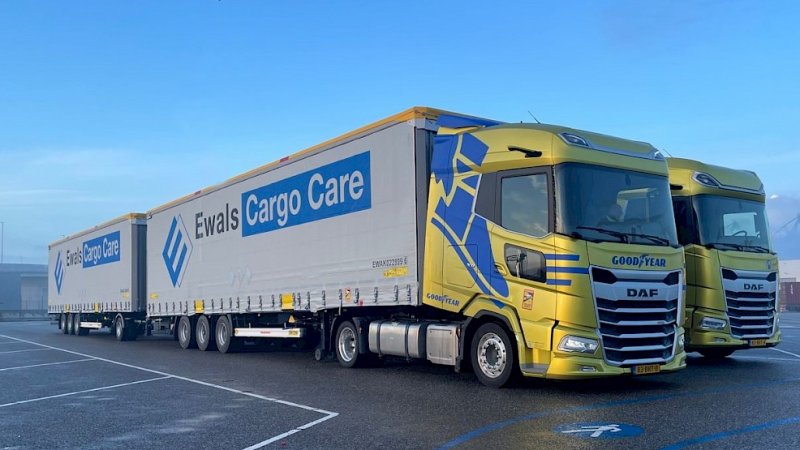


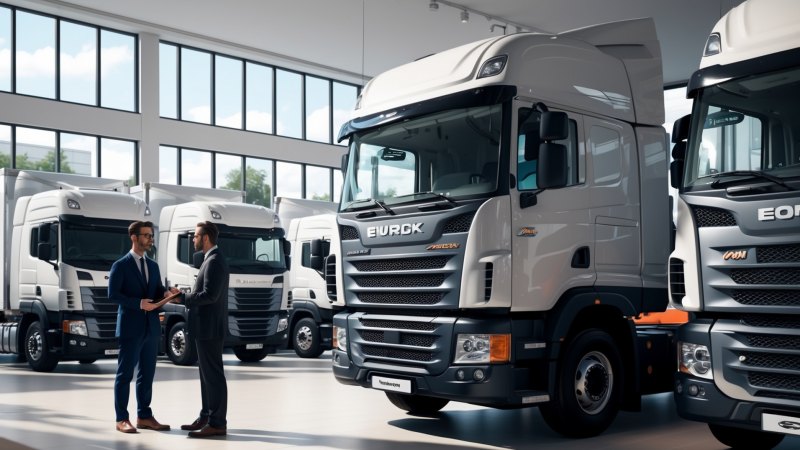




On 10 September 2025 more than sixty heavy goods vehicles crossed Vienna to protest against the rise in road tolls. The demonstration set off at 9.30 a.m. from the A1 Großram car park in Lower Austria and headed towards the Ministry of Mobility in Vienna. The convoy followed a predetermined route along the city’s main arteries, concluding at 10.30 a.m. outside the ministry building. The choice of roads ensured maximum visibility without permanently blocking traffic.
The initiative was coordinated by the Fachverband Güterbeförderungsgewerbe of the Austrian Federal Economic Chamber, led by Markus Fischer, representing around 6,300 haulage companies. Carriers from different regions and sectors joined the mobilisation, from regional operators to international players, from removal firms to food transport specialists.
The economic backdrop is defined by steadily rising tolls: over the past three years costs have grown by 27.5 per cent. With 50 euros, a 40-tonne truck can cover 94 kilometres in Austria, compared with 144 in Germany, 328 in Italy and 535 in Poland. A long-haul vehicle currently generates about 80,680 euros a year for the state in taxes and tolls, a figure that without the recent changes would have reached almost 92,000 euros by 2026, overtaking fuel costs.
Since January 2024 a CO2-based toll system has been in force, introducing an average increase of 7.4 per cent for Euro VI vehicles in CO2 class 1, with further hikes scheduled until 2026. The impact is already evident in reduced investment: in the first eight months of 2025 truck registrations dropped by 17 per cent. The sector, employing around 80,000 people across 12,000 companies and responsible for moving two-thirds of Austria’s domestic goods by road, records an average profitability of just 2 per cent, making cost increases particularly critical.
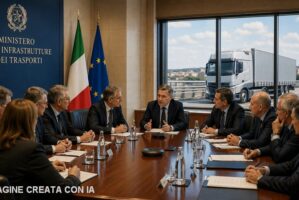
The political response was swift. On the afternoon of 10 September, Mobility Minister Peter Hanke announced the suspension of the rise in infrastructure costs planned for 2026, while maintaining the application of environmental costs amounting to 42 million euros. The agreement also confirmed the 75 per cent toll discount for zero-emission vehicles over 3.5 tonnes until 2030 and introduced a 2.9 per cent increase in vignettes for light vehicles, in line with inflation.
The industry welcomed the deal as a positive step but stressed that the average increase, estimated at around 7.7 per cent for Euro VI trucks with four or more axles, remains a heavy burden. Markus Fischer called for further compensatory measures, including a review of the 60 km/h night-time speed limit and of restrictions applying to C17 trucks.
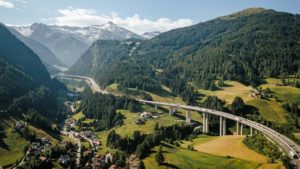
The Austrian protest fits into a broader European context of growing integration of environmental criteria into toll systems. Austria, where Asfinag finances the entire road network without state subsidies, applies higher tariffs than neighbouring countries, with a direct impact on competitiveness. The political debate had also considered extending tolls to federal and regional roads, a proposal rejected by the sector due to the risk of undermining the economic sustainability of many operators.