





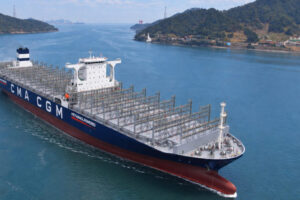


The port of Piraeus has become the main gateway for Chinese goods entering Europe via the Mediterranean. In 2024, the Greek port handled around four million TEUs of imported cargo, and within such high volumes, opportunities for fraud can lurk. One such colossal fraud has been uncovered by EPPO’s Operation Calypso, which dismantled a complex criminal network that for years had been fuelling a parallel economy based on the illicit import of Chinese goods into the European Union. The investigation revealed a highly organised and widespread fraudulent mechanism operating across at least 14 countries, including Italy. Preliminary estimates place the total financial damage above 700 million euros, combining evaded customs duties and unpaid value-added tax.
At the heart of the scheme was a steady flow of goods – mainly clothing, footwear, electric bicycles, scooters and other consumer items – brought into the EU at heavily undervalued prices or misclassified to avoid customs duties at the initial point of entry. The scheme relied on a network of complicit professionals, including customs brokers, tax advisors and accountants. The companies involved in the initial import operations were formally registered in Bulgaria but operated in Greece using Greek VAT numbers, exploiting EU rules on intra-community trade.
Using what is known as Customs Procedure 42, designed to facilitate cross-border European trade, the goods were declared as destined for other Member States, allowing VAT exemption in the country of import. However, the entities listed as final buyers never actually received the goods. In many cases, they were shell companies or even stolen identities of unsuspecting businesses, used to conceal the true movement of the merchandise.
Once the initial customs checks were bypassed, the goods were stored in warehouses directly controlled by the criminal organisations. These logistics centres, located mainly in France, Italy, Poland, Portugal and Spain, operated as closed districts accessible only to members of the group. From there, the products were distributed and sold on the parallel market, for cash, with invoices either destroyed or never issued. The entire supply chain, from import to final sale, took place completely outside the scope of tax authorities.
The scheme also involved the creation of false invoices and forged transport documents to simulate further sales and obscure the actual destination of the goods. This allowed the organisations to offer products at highly competitive prices, having nearly eliminated all tax and customs costs. The proceeds, collected in cash or converted into cryptocurrency and foreign currencies, were then laundered and transferred to China, often through intricate compensation systems among criminal groups and underground banking networks.
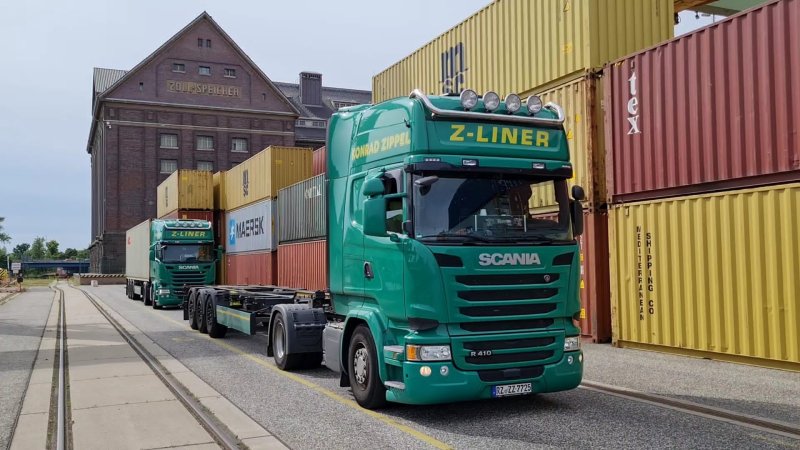
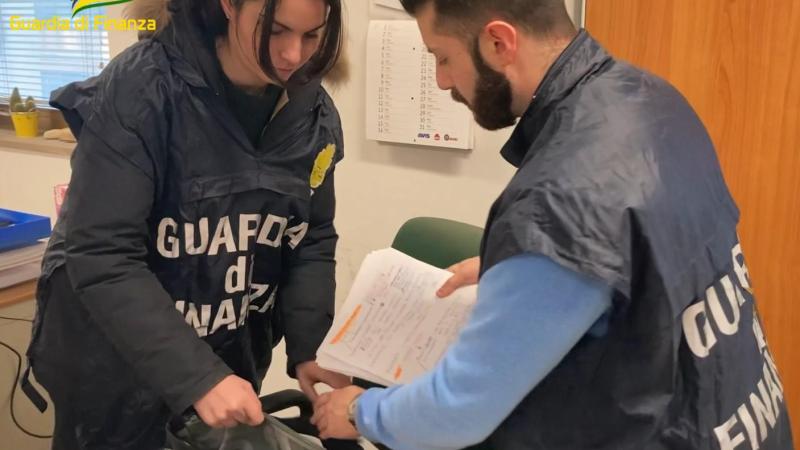
On 25 June 2025, authorities in Greece, France, Spain and Bulgaria carried out searches at over one hundred sites, including customs offices, transport company headquarters, accountancy firms and private residences. Ten people were arrested, including two customs officials. Authorities seized 5.8 million euros in cash, in various currencies and cryptocurrencies, over seven thousand electric bicycles, nearly four thousand scooters, 480 shipping containers, twenty-seven vehicles, real estate, luxury goods and firearms. In Greece, bank accounts, boats and other movable and immovable assets were also frozen.
The investigation involved the Greek Customs Authority (AADE) and was significantly supported by Europol, which provided operational and analytical assistance and coordinated real-time actions from a virtual command centre in Luxembourg. The European Anti-Fraud Office (OLAF) also played a key role by supplying early intelligence on the irregularities. The Spanish National Police, the Spanish Tax Agency, the Bulgarian Gendarmerie Directorate, the Bulgarian National Investigation Service, the French Anti-Fraud Unit and various specialised divisions of the Greek Police also took part in the operation. According to EPPO, the estimated 700 million euro loss could increase as tax authorities continue to trace the full scope of the illicit transactions.