




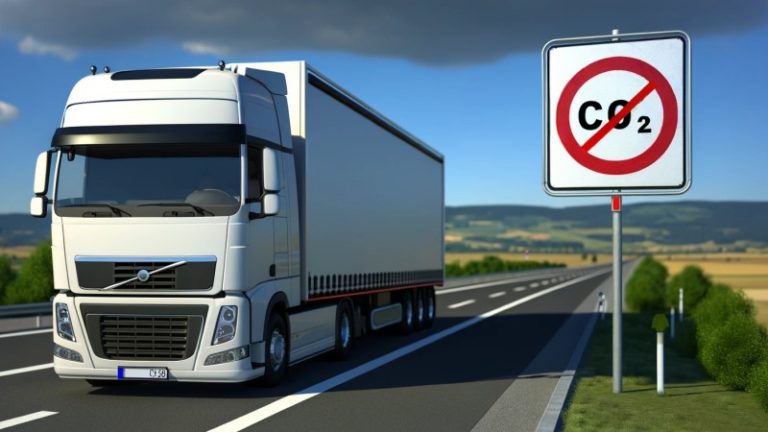
According to the "State of European Transport" study conducted by the Transport & Environment Foundation, by 2030, the European transport sector will be accountable for nearly half of the continent's emissions. Since its peak in 2007, the sector has decarbonized three times more slowly than the rest of the economy. T&E's forecast indicates that within the next seven to eight years, 44% of greenhouse gas emissions could be attributed to transportation.
Despite improvements compared to the pre-pandemic period, Europe may struggle to meet its climate targets set for 2050. While the primary culprit, according to the study, seems to be privately owned automobiles, the freight transport sector, encompassing maritime, air, and road transport, also remains heavily reliant on fossil fuels.
The analysis reveals that in addition to fully implementing key Green Deal policies, further efforts will be required to fully decarbonize transportation. Firstly, mobility demand must be curbed by halting the expansion of road and airport infrastructures and limiting land consumption. The phenomenon known as induced traffic has demonstrated that constructing new roads to alleviate traffic actually leads to an increase in circulating vehicles.
Reduced transit times may prompt users to abandon public transport in favor of private means, and new communication routes may spur industrial area development or even influence housing choices, ultimately congesting a road built to improve traffic flow. The report's second recommendation calls for the possibility of imposing binding electrification actions on companies with large combustion fleets.
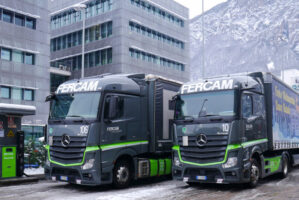
Reducing highway tolls has not yielded the desired results, and currently, there is no competition between zero-emission heavy vehicles, primarily purchased for local transport or marketing reasons, and diesel-powered ones, still the top choice for transportation companies.
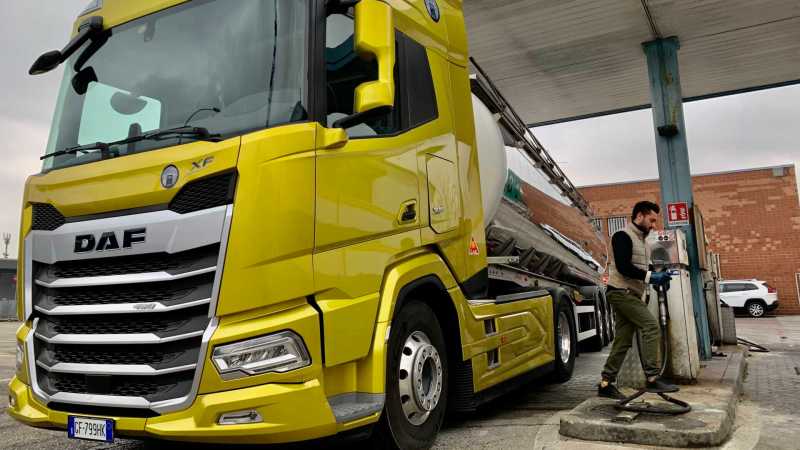
The latest generation of diesel trucks is compatible with the alternative fuel HVO, which, though underutilized, would enable transporters to offer green services to their clients without overhauling operational procedures by planning lengthy recharge stops. According to T&E, electrification should also lead to the definitive abandonment of hydrogen propulsion, deemed inefficient and never practically adopted in the freight transport industry.
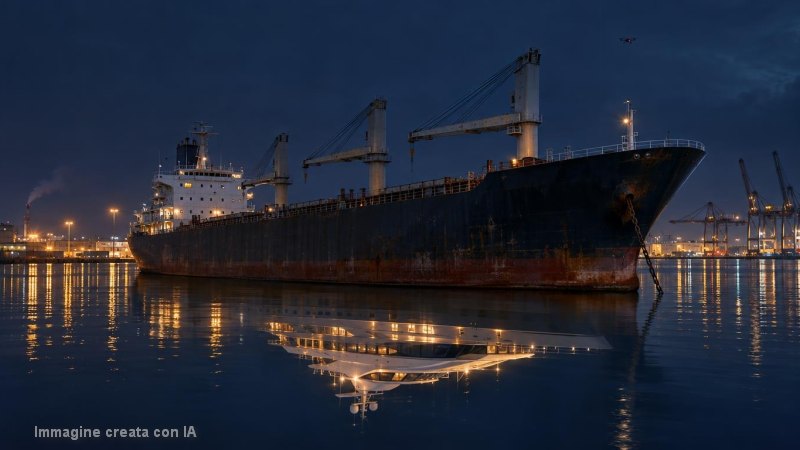
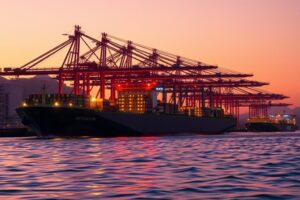
Maritime and air transport are also inefficient, with a need for thorough studies, particularly concerning aviation emissions, which have increased at a much faster rate than any other sector over the last thirty years. Maritime transport, on the other hand, would require strong incentives or the introduction of stringent constraints to transition to less polluting technologies. Wind-powered ships, such as Cargill's Pixys Ocean, or other zero-emission solutions have been partly funded by the EU, but there are no obligations or forecasts for phasing out fossil fuels.
The rail transport sector, which could help reduce the number of heavy vehicles on European roads, is not mentioned in the T&E text. Yet, optimizing it would prove essential in emission reduction efforts. However, rail transport appears increasingly less competitive compared to road transport. Notably, a study released at the end of last year by German research groups Wuppertal Institute and T3 Transportation, commissioned by Greenpeace, shows that in the last twenty years, investments in European road infrastructure have exceeded those in railways by 66%.
Today, these investments are yielding the predictable outcome of a clear predominance of road transport, contradicting the goals of the new Green Deal program. Shifting focus to rail transport, an indispensable choice in emission reduction, also means admitting that the last two decades of investments have been directed toward a path that is now being abandoned.
Between 1995 and 2018, approximately €1.5 trillion was spent across Europe on road infrastructure, compared to €930 billion allocated to railways—a difference of roughly €570 billion. During the same period, approximately 30,000 km of highways were built compared to 15,000 km of railway tracks. However, railways also witnessed the closure of 13,000 km of tracks, mostly regional, and the temporary or permanent closure of over 2,600 stations.
The case of Poland is striking; while intensifying work on the Rail Baltica project, it is also dismantling unused tracks, sparking protests from citizens and associations. Last month, a deputy addressed the dismantling of an old line between Poznan and Bygdoscz, urging Polish railways to engage in dialogue.
Activist Lorelei Limousin from Greenpeace also weighed in on the demolition of disused tracks, stating, "Governments and the EU must halt this dismantling of our railway lines, reopen unused tracks, invest in railways, and stop massive subsidies for roads that harm the climate, pollute the air, and make people unhappy."
Federico Spadini, Greenpeace Italy, echoed similar sentiments: "Over the past three decades, Europe has systematically reduced its regional and local railway network, allocating significant resources to road networks, thereby encouraging oil consumption and exacerbating the climate crisis. Today, we're experiencing the consequences: road transport emissions are increasing. To ensure a sustainable and fair future, European governments must incentivize rail transport using funds currently favoring road and air transport, which are much more polluting."
While Greenpeace's demands primarily concern passenger transport, it's evident that bolstering the European rail infrastructure would also benefit freight transport. After years of investing in road networks, decisive and unified interventions, targeted investments, and clear long-term directives are now needed to steer the market towards intermodal solutions.
Marco Martinelli