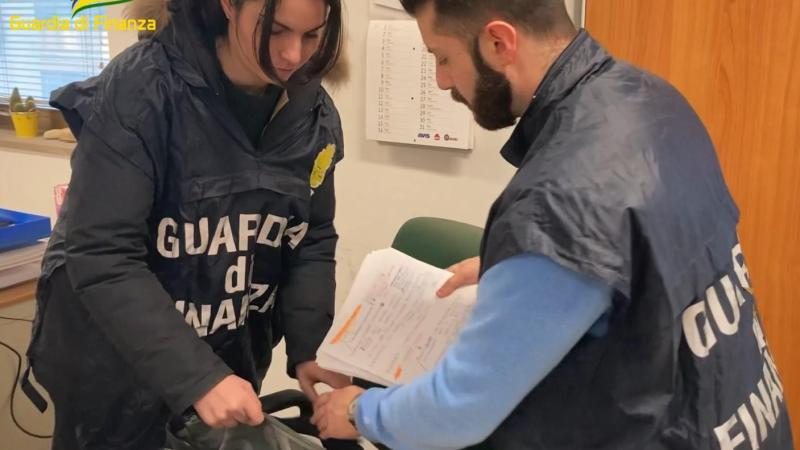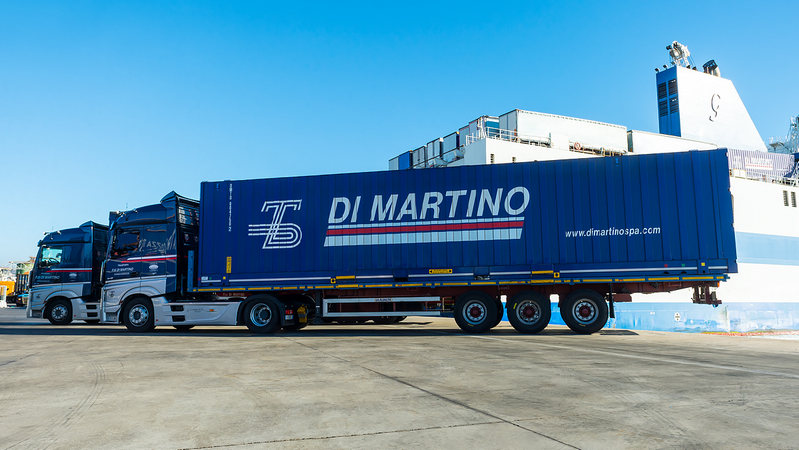








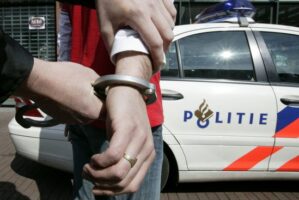
Romanian authorities carried out 65 searches and detained 11 people on 3 November 2026 as part of an investigation into a criminal group that allegedly posed as a haulage company operating legally to steal entire consignments. Five people were arrested in Belgium on the same day and are now in pre-trial detention. Around seventy consignments are believed to have been stolen, mainly in Romania and Belgium but also in other European countries, causing substantial losses to the businesses affected. Eurojust reported the operation on 6 November 2026 without disclosing the value of the stolen goods.
Prosecutors allege that the group ran or controlled several companies contracted to carry goods within Romania and internationally, stealing entire consignments once they had taken possession of them. Investigators have identified three alleged methods. In the first, the cargo was transferred from the original vehicle to another, after which the driver reported a theft during the journey. In the second, the trailer and number plates were switched, with the goods moved to a similar-looking trailer. In the third, the group staged a trailer theft: the driver claimed to have left it following a mechanical breakdown and found it missing on returning. The group is also alleged to have forged identity and transport documents and used counterfeit vehicle registration documents and number plates.
The lorries were carrying mainly electronics, household appliances, raw materials, cereals, cosmetics, alcoholic and non-alcoholic drinks, and other consumer goods. Investigators trace the group’s formation to March 2024, initially involving five people. A further thirty are alleged to have joined, each with clearly defined roles, ranging from securing transport contracts and identifying consignments of valuable goods that could readily be sold on the black market to transferring loads, escorting vehicles and selling the stolen goods.
Since February 2026, Belgian and Romanian authorities have been working together to identify the group, gather and exchange evidence, and plan joint operations through a joint investigation team established at Eurojust. In Belgium, those involved were the investigating judge at the Antwerp Court of First Instance, the Antwerp Public Prosecutor’s Office and the Antwerp Federal Judicial Police. In Romania, participants included the Prosecutor’s Office attached to the High Court of Cassation and Justice, through the Directorate for Investigating Organised Crime and Terrorism and its Pitești territorial office; the anti-organised crime units in Craiova, Ploiești, Oradea, Olt, Ilfov and Dâmbovița; the Argeș County Police and the Gendarmerie. Investigators questioned suspects and witnesses on 3 November, and the investigation will continue with the examination of material gathered during the searches.
P.R.