








Evergreen returns to Suez
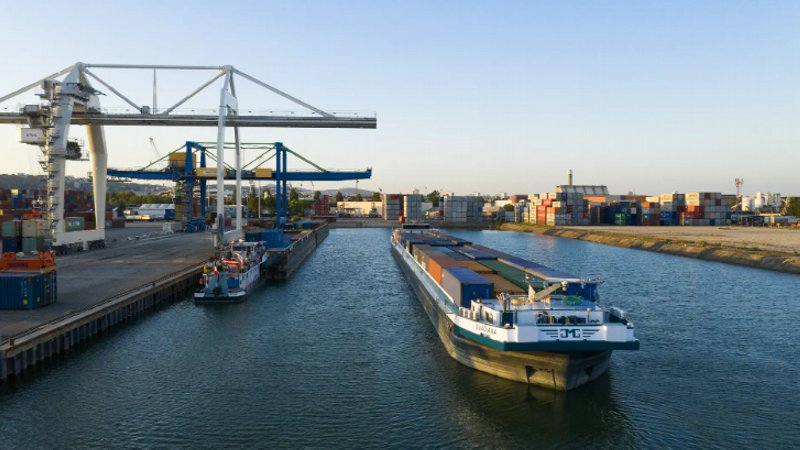
Container ships are returning to the Suez route one service and sailing at a time. On 8 November 2026, Evergreen’s 16,556 TEU Ever Eon transited the canal on the Ocean Alliance’s NEU7 service between Asia and northern Europe. On 15 November, the 8,110 TEU ONE Continuity also passed through the canal, operating on the Premier Alliance’s FE1 service. Three other services operated by the alliance are preparing to return, although their names and schedules have not been disclosed. Yang Ming’s Asia–Mediterranean MD1 service is scheduled to return via Suez in December, with a call at Sokhna. The new rotation will use 12 ships rather than the 16 deployed on the route via the Cape of Good Hope: the shorter journey will free up capacity for other routes, potentially putting downward pressure on freight rates. In the immediate term, however, overlapping arrivals of ships using the two routes could increase port congestion.
ECS and Thai coordinate European cargo operations
ECS Group and Thai Airways have brought their cargo sales operations under a common structure in 2026 across the European markets represented by the group, aiming to coordinate sales, optimise loads and manage revenue at regional level. Subsidiaries in France, Italy, Belgium, Switzerland, Denmark and Sweden apply the same service standards and a shared commercial strategy, also covering Finland and six central and eastern European countries served through offline stations. The coordination primarily covers shipments of pharmaceuticals, food and luxury goods and also aims to prevent overlapping sales activity across national markets. In Italy, Globe Air Cargo has represented the airline since 2006. Thai Airways operates daily flights linking Milan Malpensa, Paris, Brussels, Stockholm, Copenhagen and Zurich with Bangkok, carrying cargo in passenger aircraft holds. Paris services will increase from one to two flights a day in December 2026, while Zurich services will rise to eleven flights a week from January 2027.
Dutch defence seeks road hauliers
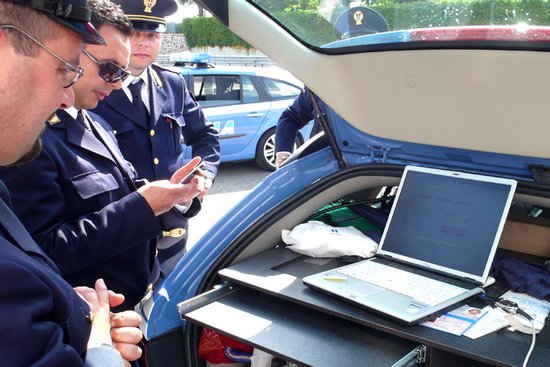
The Dutch defence ministry is seeking road haulage companies to undertake around 10,000 trips a year, split between container transport and full truckload freight, under its Ecosysteem Logistiek programme. The two tenders aim to secure civilian transport capacity, including in preparation for and during crises or war. Contracts could run for seven years, with an option to extend them by a further three. Container transport is expected to account for around 5,000 trips a year within the Netherlands and elsewhere in Europe, with services starting on 1 November 2027. A further 5,000 freight trips will be awarded to a maximum of five operators. Companies will be required to provide lorries and drivers when needed; the stated volumes are not guaranteed minimums. The container tender requires rates per kilometre, hourly rates for personnel and daily rates for vehicles. The final leg towards the front line will remain the responsibility of the military.
Ethanol for container ships
Ethanol is entering the shipping sector through sea trials and initial commercial bunkering operations, offering an alternative fuel for ships already equipped to use methanol. In October, Maersk announced that Maersk Halifax had bunkered around 5,000 tonnes of certified bioethanol in Singapore, following an operation in the United States in September. A study released by the Maritime Ethanol & Methanol Alliance on 11 November 2026, with technical input from ABS, indicates that using ethanol on ships designed for alcohol fuels requires limited modifications. For shipowners, the attraction lies in widening fuel supply options and reducing reliance on low-emission methanol alone. Ethanol provides around 35% more energy per unit of mass than methanol, although less than marine gas oil. Its climate benefits depend on the feedstock and production process. Under FuelEU Maritime, corn-derived ethanol also faces a constraint: biofuels made from food and feed crops are assigned emission factors that limit their contribution to compliance. The cost of energy delivered to the ship, availability at ports and verification of individual technical configurations remain decisive factors.
Walmart expands drone deliveries
Walmart and Zipline have announced a multi-year agreement to add 300 drone delivery sites in the United States, with scope for further expansion. The agreement extends a partnership launched in 2021, which had 21 jointly operated sites at the time of the announcement. Neither the rollout schedule nor the locations of the new sites have been disclosed. The project uses Walmart’s store network to deliver small orders of eligible products in as little as 30 minutes within service areas. Staff prepare and load orders, while automated aircraft carry them to their destination. The drone remains aloft and lowers a module containing the goods on a cable, placing it in an outdoor space at the customer’s home, such as a garden or driveway. The service complements ground deliveries and can be selected through digital channels for eligible addresses.