








One of Trump’s most prominent campaign pledges was a drastic cut in bureaucracy for citizens and companies. While in some areas this may have happened, importers and freight forwarders are facing the exact opposite. According to a detailed report published by Bloomberg on 5 September, small and medium-sized US firms are among the hardest hit, already struggling under the direct cost of tariffs and now overwhelmed by endless paperwork, shifting regulatory requirements and extra expenses to comply with rules that grow more complex by the month. The constant uncertainty caused by delays or sudden changes to tariffs only adds to the pressure.
Bloomberg highlights the case of higher tariffs on steel and aluminium, which now cover not only raw materials but also hundreds of categories of finished and semi-finished goods – from motorbikes to child car seats – all subject to detailed checks to establish the share of foreign metals. Importers must provide documentation not only of the percentage of metal contained in their goods but also its precise origin, down to the steel mill or aluminium plant of production. The consequences can be severe: if the source of aluminium cannot be demonstrated, customs authorities automatically assume it comes from Russia and apply the steepest 200 per cent tariff. In many cases foreign suppliers are either unable or unwilling to provide such detailed information, effectively blocking entire supply chains.
As everywhere, administrative burdens translate into real costs. Bloomberg reports that each import procedure requires between one and three hours of work even in the simplest cases, while reconstructing the metal content of complex components such as motorcycle parts can take more than ten hours. For small firms without in-house departments dedicated to international trade, this means diverting resources from production and growth. David Zampierin, founder of Zamp Racing in Idaho, told the news agency he personally tracked a shipment from China, going so far as to have it held in a customs warehouse in South Korea while waiting for tariff clarifications. “In forty years it has never been this complicated,” he said, stressing that the volatility of the rules creates more uncertainty than the Covid pandemic itself.
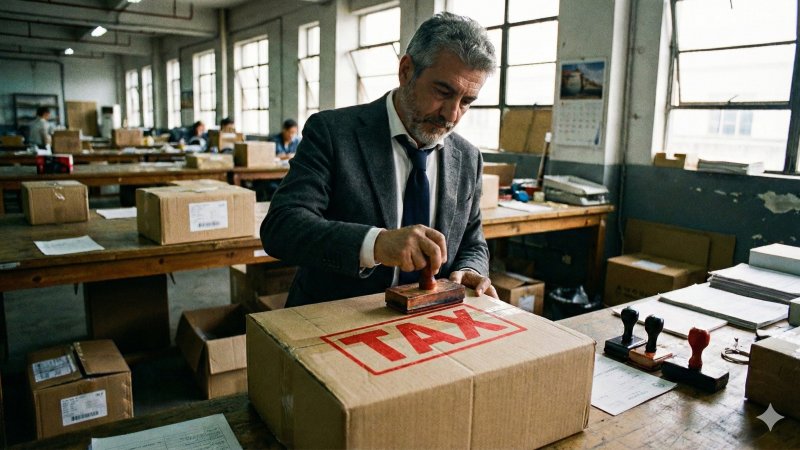
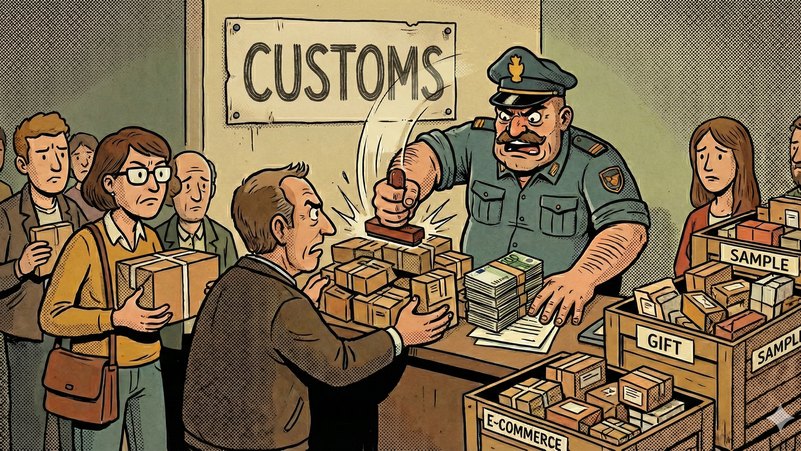
Another blow for small and medium-sized companies is the elimination of the exemption for packages valued under 800 dollars, which previously entered tariff-free. This change brings more forms to fill and new taxes to pay. At the same time, US Customs and Border Protection has stepped up its use of data analytics and artificial intelligence to cross-check declarations and detect anomalies. While this strategy has increased revenue recovery through audits and reviews, it has also caught out many importers who were, in the words of former agency auditor Cindy Deleon, “grossly unprepared”.
Regulatory uncertainty, with deadlines extended at the last moment, fresh tariffs announced on strategic goods such as pharmaceuticals and semiconductors, and ongoing litigation in federal courts, makes planning ever more difficult. Each change can affect shipments already en route, imposing unexpected charges or additional documentation requests. For transport and logistics operators, this translates into slower flows, less predictable supply chains and a far more expensive administrative workload.