



On Sunday 3 August, Polish interior minister Marcon Kierwiński announced that controls on the German and Lithuanian borders would be maintained until 4 October, pushing back the previous deadline of 5 August. The announcement was followed by an official decree, published on Friday and immediately notified to the European Commission.
“These measures aim to close the migration route that has recently reopened through Lithuania and Latvia,” Kierwiński explained. “In September, based on data provided by the Border Guard, the army and the police, we will decide whether and what our next steps should be.” The minister also stressed that checks are stopping 98% of irregular crossings, which is why illegal migration appears to be shifting to other routes. According to official figures, a recent report from the Polish interior ministry states that between 7 and 30 July, a total of 243,683 people and 110,212 vehicles were inspected, with access denied in 105 cases. These figures, however, have been disputed by self-proclaimed nationalist border patrols in Poland, who claim that Germany has turned back and returned to Poland hundreds of asylum-seeking refugees.
Across the border, German authorities have reportedly welcomed the extension of controls and, in turn, strengthened their own border police operations. The number of officers deployed at the frontier, according to data from Berlin, has been steadily increasing, rising from 11,000 in May to the current 14,000. Guard shifts have been lengthened, leave is being granted more restrictively, and deportation flights to Syria and Afghanistan have been organised. In Germany too, however, this tough approach has drawn criticism and stirred debate.
The Saxony economy minister has highlighted the disruption caused by the checks, which often hit commuters and freight carriers hardest. Long waiting times, uncertain planning and interruptions to the flow of goods, the minister warned, could have a significant impact on the economy and threaten the achievements made possible by free trade within the Schengen area.
The extension of border checks has also been welcomed by the Lithuanian authorities who, while acknowledging the severe delays at crossing points, have confirmed the need to halt illegal migration flows. “We understand Poland’s decision to extend temporary checks at the internal border,” read a statement on the Lithuanian interior ministry’s website. “All necessary measures must be taken to control illegal immigration. This decision is certainly not aimed at Lithuanian citizens, but is a measure to prevent secondary migration. Our officials are also working responsibly to ensure that the Lithuanian border is as secure as possible. We will continue to work closely with Poland to ensure that border checks do not cause inconvenience to those travelling from Lithuania to Poland.”
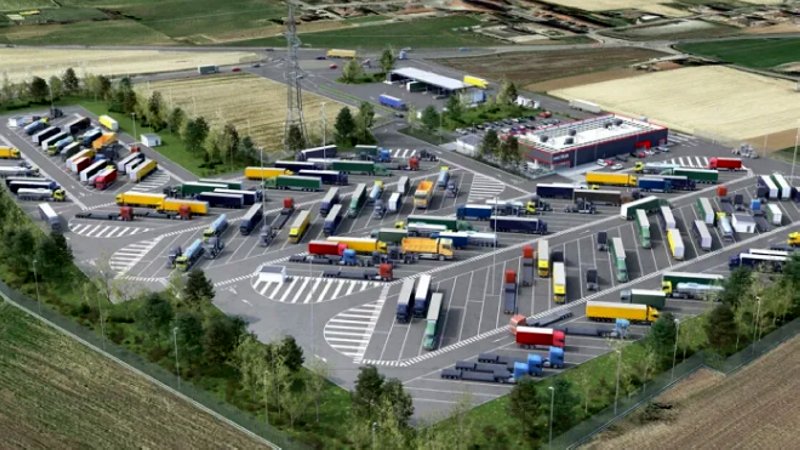
The government has also advised those planning to travel to Poland by car to choose alternative routes, suggesting crossing points that are less congested, and warning that disruption is likely to continue throughout the summer. At present, all freight traffic passes through the Kalvarija checkpoint, linking to the Polish city of Suwałki, where long waits are expected, exacerbated by the increased holiday traffic. Tensions therefore remain high, and Poland once again confirms its role as a key hub for European transport. Questions persist over the future of free trade, interrupted by temporary measures that are increasingly taking on a permanent character.
Marco Martinelli