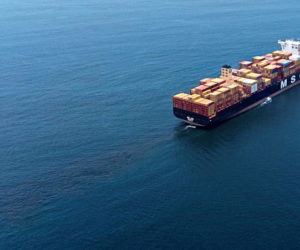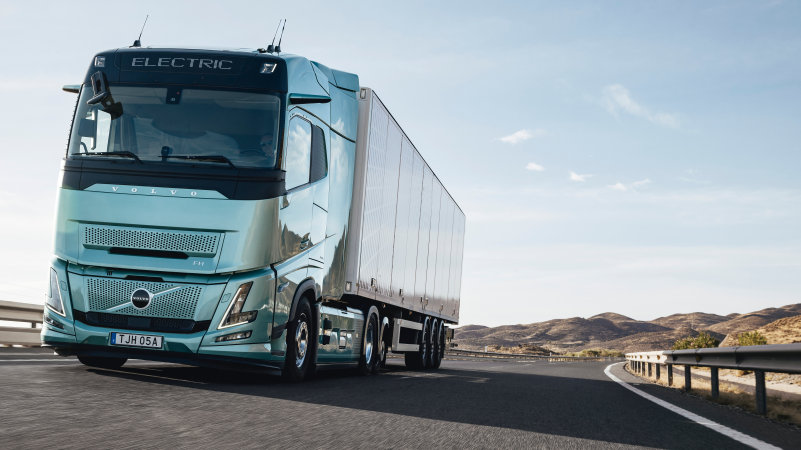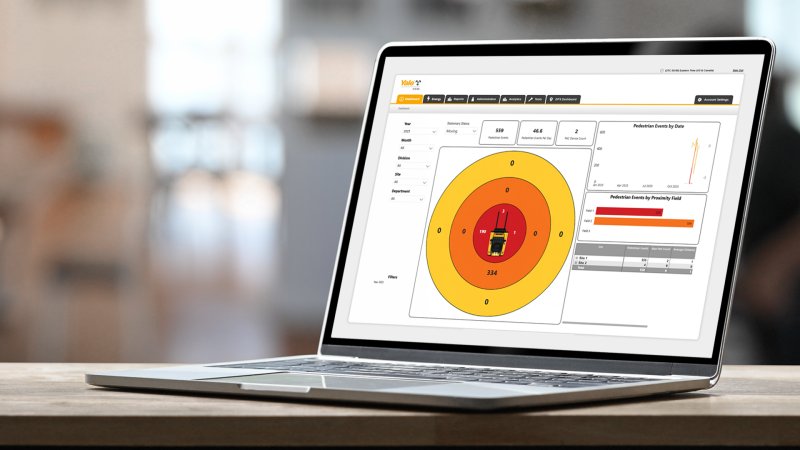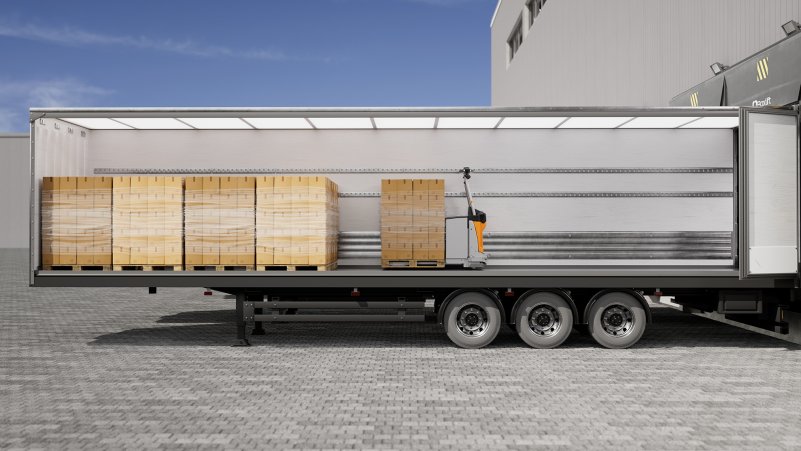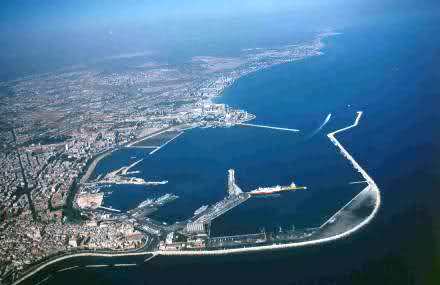




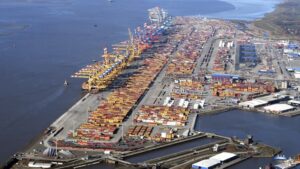
Apm Terminals, part of the Danish group A.P. Moller–Maersk, and Eurogate are in advanced talks over a long-term partnership aimed at investing €1 billion in the North Sea Terminal Bremerhaven. The announcement, released in February 2026 by Apm Terminals, concerns the modernisation of the German port’s container terminal, with the goal of raising capacity from three to four million TEU per year and turning it into one of the most efficient and resilient facilities in Europe. The plan includes renewing equipment and fully electrifying yard vehicles, alongside the use of electricity from renewable sources, with the objective of operating with zero greenhouse gas emissions.
The project forms part of a broader strategy to strengthen Bremerhaven’s role within the European North Range. As stated by Vincent Clerc, chief executive of A.P. Moller–Maersk, the aim is to unlock the port’s potential as a hub for cargo flows destined for Germany and along the Group’s ocean network, improving the reliability and resilience of supply chains serving the country’s economy.
The North Sea Terminal Bremerhaven was founded in May 1998 by Blg Container, Maersk Deutschland and Sea-Land Service. The first call dates back to 1 April 1999, with the container ship MV Sealand Integrity. In more than 25 years of operations, the terminal has established itself as one of the leading container hubs in the North-West Range, linking Bremerhaven with more than 130 ports worldwide.
Ownership is evenly split: 50% is held by Eurogate Gmbh & Co. Kgaa, Kg, a joint venture between Blg Logistics Group and Eurokai, while the remaining 50% belongs to Apm Terminals Germany Holding, a subsidiary of Apm Terminals. This structure positions Ntb primarily as a terminal focused on handling vessels operated by the Maersk Group and its partners.
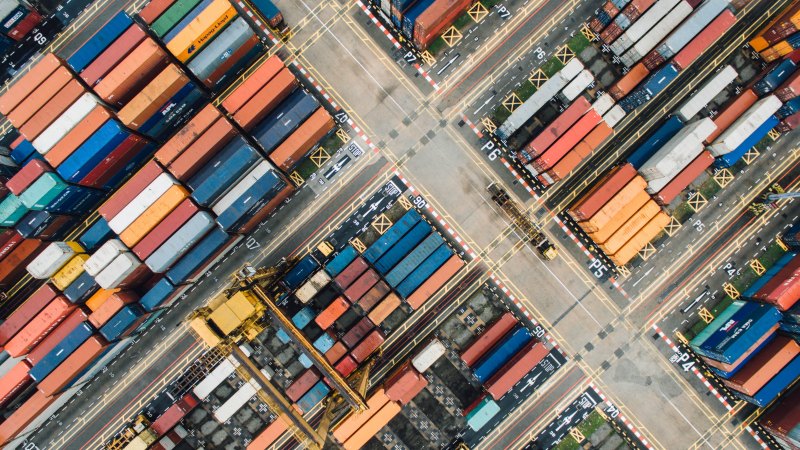
Ntb operates along Europe’s longest continuous quay, stretching 1,800 linear metres, across a total area of around 1,087,000 square metres. It has six berths for large vessels, 18 Super-Post-Panamax cranes, 114 straddle carriers and more than 2,000 reefer connections, with a current capacity of around three million TEU per year.
Raising capacity to four million TEU would represent a potential increase of around one third, strengthening the port’s competitive position against the main North Range gateways, particularly Rotterdam and Antwerp. At a time of growing container ship sizes and the concentration of services on major trade lanes, technological upgrading and additional capacity are crucial to retaining volumes and remaining attractive to major carriers.
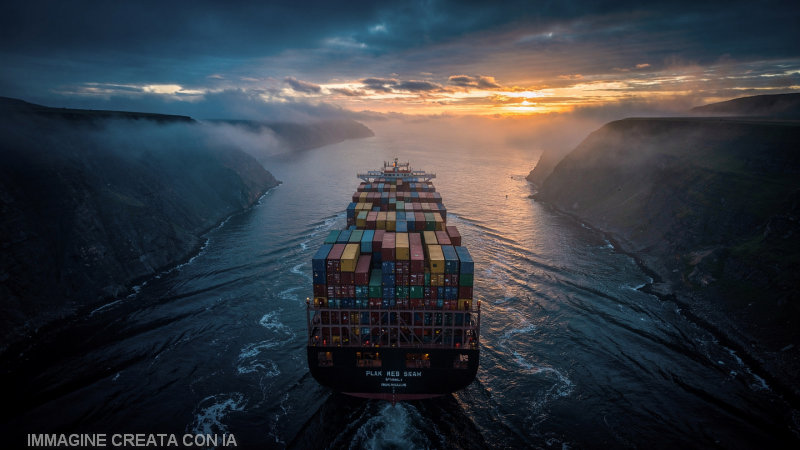
A key factor in fully unlocking the potential of the investment is the dredging of the Outer Weser, which is required to allow access for new-generation vessels with deeper draughts. The planning process is currently under way at public administration level. The Mayor of Bremen, Andreas Bovenschulte, stressed that alongside private investment in port superstructure and state and federal funding for infrastructure, deepening the river is a crucial step in consolidating Bremerhaven’s role within the North Range.
P.R.