



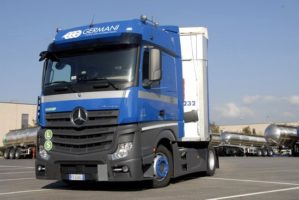
Insolvencies on the rise in German road haulage
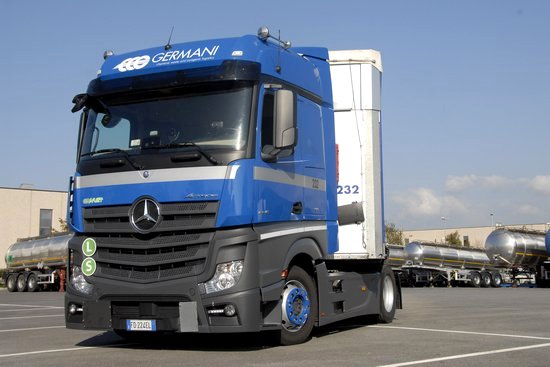
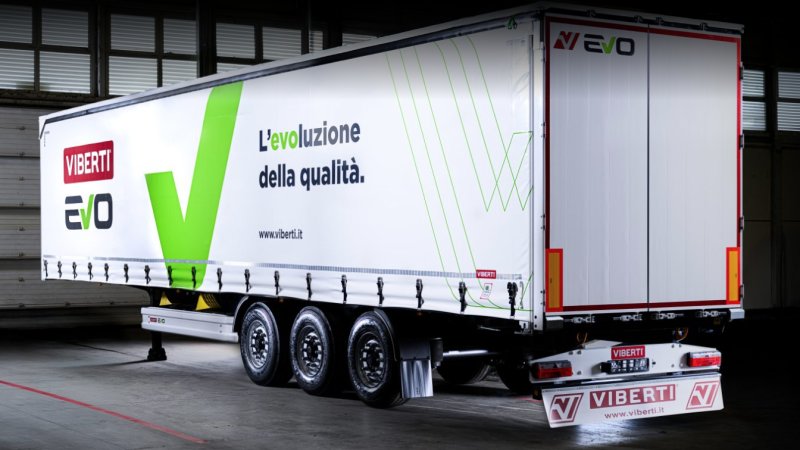
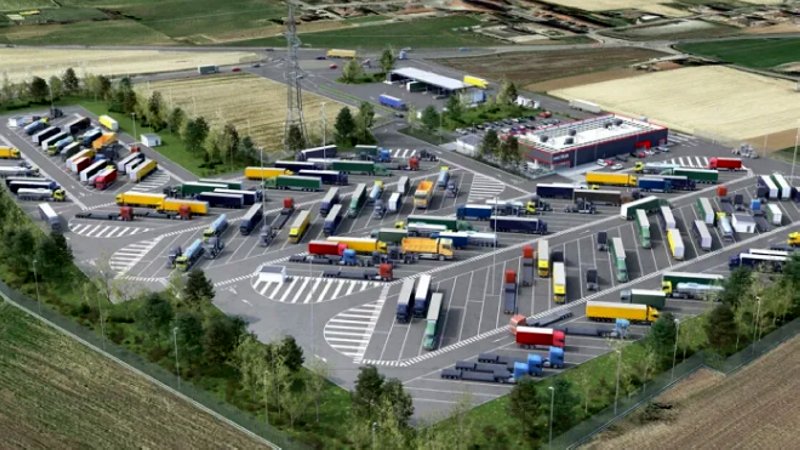
In the second quarter of 2025, one hundred limited companies operating in the freight transport sector in Germany filed for bankruptcy, up from seventy-one in the previous quarter. The data, published by Palturai, show that the sector accounts for 5.9% of all business insolvencies, a level not seen since 2022. This trend is part of a broader picture of economic difficulty: according to the Federal Statistical Office, a total of 5,891 insolvency filings were recorded across all sectors in the first half of the year. Small businesses have been particularly affected, penalised by limited diversification and aggressive competition from Eastern European operators. The chances of rescue are increasingly slim: only one-third of the companies that went bankrupt in 2024 had managed to resume activity by mid-2025. The sector also suffers from a shortage of drivers, worsened by the fact that many leave the profession altogether after their company collapses. Contributing factors include the economic slowdown, rising toll charges and a lack of generational renewal.
Dfds launches trailer rail service between Rotterdam and Poland
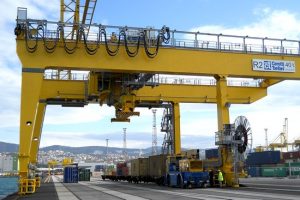
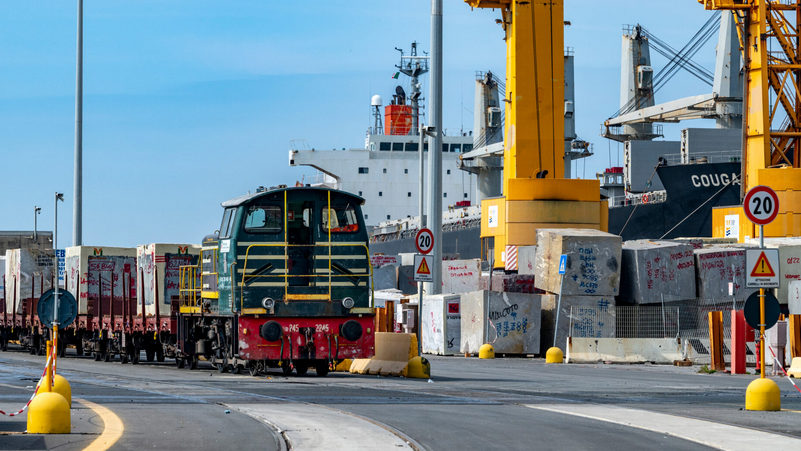
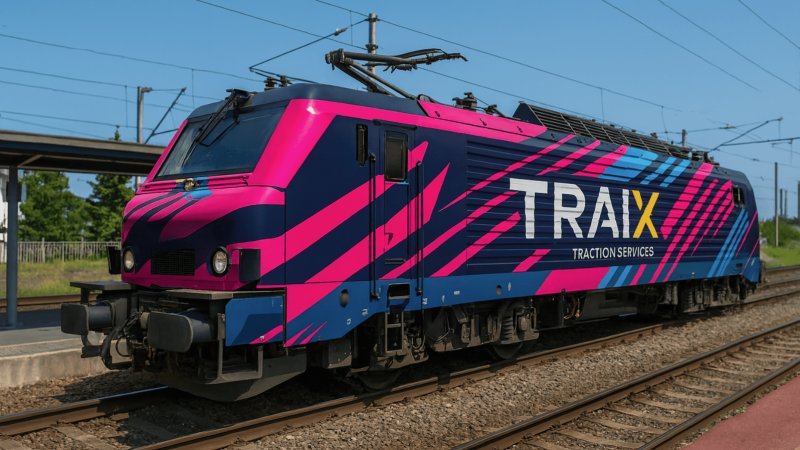
Dfds has launched a new rail service linking Rotterdam and Karsznice in Poland, dedicated to the transport of non-craneable semi-trailers. The connection uses the R2l system developed by Vtg and Vega, which has recently undergone successful trials. The service aims to strengthen intermodality between the railway and Dfds Seaways ferries departing from Rotterdam.
Hainan free trade port enters final phase
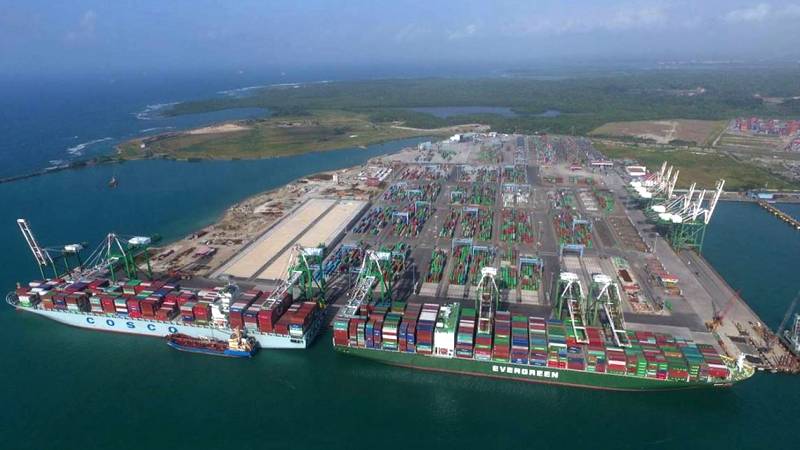
From 18 December 2025, the entire Chinese island of Hainan will be designated as a special customs control zone, officially entering the operational phase of the so-called “customs closure”. The free trade port will adopt an independent customs regime, supported by liberalisation policies and trade facilitation measures. Among these is the expansion of “zero-tariff” products, which will rise from 21% to 74%. Construction of the port has continued steadily in 2025, with cargo traffic rising by 28.75% year-on-year in the first half of the year.
Lineas expands rail operations at the Port of Antwerp-Bruges
Since 2024, the Port of Antwerp-Bruges has been divided into nine operational zones under the Railport project, which aims to double the share of rail transport by 2030. Lineas, initially assigned to manage three zones, will now take control of three more, becoming the port’s main rail operator. The six zones now under its responsibility include the entire eastern side of the port. Despite this operational expansion, Lineas is facing financial difficulties: the Belgian government has approved a new loan of €61 million, bringing the total support received by the company since 2024 to over €160 million.
EU gives green light to €300 million for rail freight in Slovakia
The European Commission has approved a €300 million aid scheme for the purchase of rail freight wagons in Slovakia. The support may cover up to 50% of the cost of new units, with a cap of €200 million per beneficiary. The funding will be available to railway companies and owners of freight rolling stock operating in the country. The aim is to encourage a shift from road to rail transport. In Slovakia, rail accounts for 20% of the freight transport market, well above the EU average of 12%. The main operator is the state-owned Zssk Cargo, alongside private and foreign companies active in cross-border traffic.
Subsea road tunnel under construction in Norway
Construction is underway in Norway on the Rogfast tunnel, set to become the longest and deepest subsea road tunnel ever built. The project is part of the ambitious E39 Coastal Highway Route, which will connect Kristiansand to Trondheim along Norway’s western coast without the need for ferries. The tunnel will span 26.7 kilometres and reach a depth of 392 metres below sea level. Work began in 2018 and completion is scheduled for 2033. Rogfast will replace existing ferry routes, reducing travel times and improving mobility across the region. The project also aims to be environmentally sustainable: it will be Norway’s first “climate+ road project”, setting new standards for eco-friendly road infrastructure.