




Array ( [0] => 8 [1] => 41 )

Podcast K44

Cronaca

  • Cocaina nascosta in autocisterna, arrestato l’autista

    Cocaina nascosta in autocisterna, arrestato l’autista

    La Guardia di finanza di Napoli ha sequestrato 113 chilogrammi di cocaina nascosti in un doppiofondo ricavato in un'autocisterna lungo la Statale 162, nei pressi del Centro Direzionale del capoluogo campano. Arrestato in flagranza il conducente. Il carico avrebbe fruttato al dettaglio circa sette milioni di euro.

Transpotalk

Normativa

Mare

  • Attacchi ucraini bloccano l’export di grano russo

    Attacchi ucraini bloccano l’export di grano russo

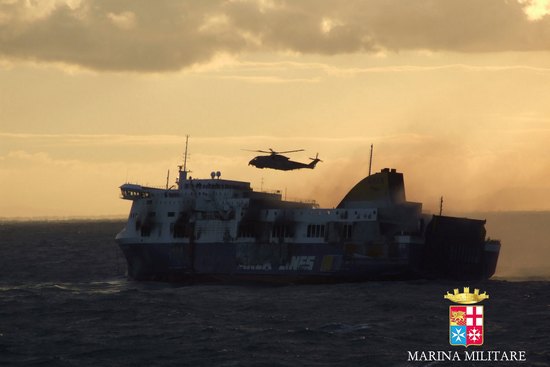
    Il canale Azov-Don, snodo verso il Mar Nero per il grano di Rostov e Krasnodar, resta chiuso dopo l'attacco di droni ucraini a tredici navi russe. Gli analisti stimano che fino a un quarto dell'export cerealicolo del Paese transiti dal Mar d'Azov.

Autotrasporto

  • La Cna avvia il risarcimento collettivo per il cartello carburanti

    La Cna avvia il risarcimento collettivo per il cartello carburanti

    Cna Fita, Ali Antitrust Litigation Investment e lo Studio Legale Scoccini preparano un'azione risarcitoria per gli autotrasportatori danneggiati dal cartello sulla componente Bio del carburante, accertato dall'Agcm a carico di sei compagnie petrolifere con sanzioni per oltre 936 milioni di euro.

    Maritime safety navigates record lows and new risks

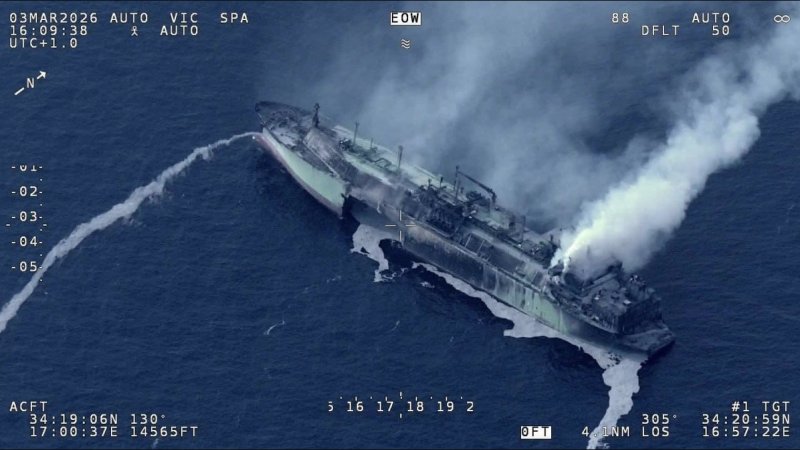
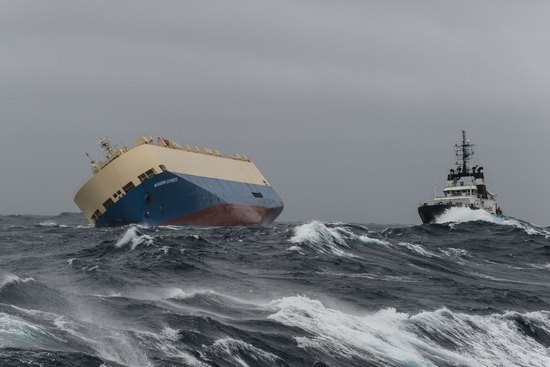
    In 2025, global maritime incidents involving vessels over 100 GT fell by 16% to 2,818 cases, while total losses reached a historic low of 43 ships, confirming a structural decade-long decline in losses at sea.

    Machinery failures remain the leading cause of incidents, with 1,505 cases in 2025, equal to 53% of the total, worsened by an ageing fleet, with an average age of 23 years, and the growing use of non-original spare parts.

    Emerging risks are increasing: fires linked to lithium-ion batteries, cargo declaration fraud and interference with GNSS signals, alongside geopolitical tensions in maritime chokepoints such as Hormuz and the Red Sea.

    Allianz’s Safety and Shipping Review 2026 portrays a maritime sector that, overall, has never been safer in terms of total losses, but is also facing a profound shift in the nature of operational risks. According to the report, global incidents involving vessels over 100 GT fell by 16% in 2025, down to 2,818 cases from 3,353 the previous year. Total losses stood at 43 vessels, the lowest figure ever recorded, within a ten-year trend in which annual losses averaged 70 in 2021-2025, compared with 111 in the previous five-year period.

    Behind this overall improvement, however, the report identifies three expanding areas of risk: machinery failures, which remain the main cause of incidents, accounting for 53% of cases in 2025; geopolitical instability in key maritime passages, from the Strait of Hormuz to the Red Sea, which has permanently reshaped global trade routes; and the technological evolution of transported goods, particularly lithium-ion batteries, which has made onboard fires a more complex threat to manage. A fourth, more recent factor has also emerged: interference with GNSS satellite signals, which is disrupting electronic navigation systems in several parts of the world.

    In economic terms, the report estimates capital expenditure for decarbonisation at between $150bn and $200bn over 2021-2025, with more than 58% of container shipping tonnage ordered in 2025 compatible with LNG. However, a regulatory gap remains: technologies for alternative fuels such as ammonia and methanol are advancing faster than regulatory and insurance frameworks, while the deadlock at the IMO (International Maritime Organization) over the net-zero emissions framework is fuelling uncertainty over shipowners’ future investment decisions.

    Machinery failures are the leading cause of incidents. In 2025, there were 1,505 such events, almost six times the number of collisions, which stood at 260 cases. Over the decade from 2016 to 2025, the report recorded 12,991 machinery failures compared with 2,822 collisions, confirming that technological breakdown has overtaken human manoeuvring error as the main source of danger at sea. According to analysts, this trend is directly linked to the ageing of the global fleet, whose average age reached 23 years in 2025.

    Almost a quarter of container ships in operation are more than 20 years old, and older vessels account for more than half of all safety-related incidents. Delays in fleet renewal, caused by bottlenecks at shipyards and regulatory uncertainty, are forcing many shipowners to keep obsolete units in service, while repair cost inflation and shortages of original spare parts are driving greater use of non-original components. This combination increases the risk of sudden blackouts on board, with loss of propulsion and vessel control: an event that, if it occurs in ports or narrow navigation channels, can have catastrophic consequences, as shown by the case of the container ship Dali in Baltimore in 2024.

    Fire risk remains one of the most serious causes of total loss, although it declined compared with 2024: 218 cases were recorded in 2025, down from 255 the previous year, but still the second-highest figure of the decade. The growth in vessel size has made fires harder for crews to manage, often forcing them to abandon ship before specialist assistance arrives. The energy transition is further complicating the picture: the increase in the transport of lithium-ion batteries, both inside electric vehicles and as general cargo, creates fires that are difficult to extinguish, particularly on ro-ro vessels and car carriers, many of which were designed decades ago without fire-fighting systems suited to the thermal risks posed by these batteries. The report notes that 25% of cargo-related fires are attributed to undeclared or mislabelled cargo, a trend that has led to an increase in general average declarations, with cargo owners required to share salvage costs that can reach 50% of the value of the goods. To counter the problem, artificial intelligence-based tools are being developed, such as the WSC/NCB (World Shipping Council/National Cargo Bureau) programme, to screen millions of bookings and identify undeclared dangerous goods in advance.

    The eastern Mediterranean and Black Sea recorded the highest number of incidents in 2025, with 622 cases, followed by the British Isles with 619. In terms of total losses, however, the hotspot remains the region between southern China, Indochina, Indonesia and the Philippines, where 255 vessels have been lost over the past ten years, the highest concentration worldwide, linked to the huge import and export traffic volumes that saturate the area. Cargo vessels were the worst affected over the decade, with 328 total losses out of 905, followed by fishing vessels with 141 cases. The main causes of total loss over the decade remain sinking, at 41%, fire or explosion, at 20%, and grounding, at 19%. The report also focuses on Arctic routes, which are increasingly used as an alternative to Suez to halve transit times via the Northern Sea Route. Over the past ten years, more than 500 incidents have been recorded in the Arctic Circle, almost half of them caused by machinery failures, an alarming figure given the complete absence of rescue and repair infrastructure in the area.

    Among the emerging risks flagged by the report is the increase in jamming and spoofing of GNSS signals, which is compromising critical systems such as AIS and electronic navigation, particularly in geopolitically unstable areas. These phenomena have already caused unintended diversions and groundings, as in the case of the MSC Antonia, as well as increasing the risk of collision. Geopolitical tensions remain central to the report’s analysis, which cites the Red Sea crisis and the blockade of Hormuz. Ships trapped in conflict areas such as the Persian Gulf also face indirect risks, including extreme biofouling, with biological growth on the hull sharply reducing operational efficiency, and critical disruption to maintenance schedules caused by the failure to source spare parts.

    Mara Gambetta

    © TrasportoEuropa - Riproduzione riservata - Foto di repertorio
    Segnalazioni, informazioni, comunicati, nonché rettifiche o precisazioni sugli articoli pubblicati vanno inviate a: redazione@trasportoeuropa.it


      Puoi commentare questo articolo nella pagina Facebook di TrasportoEuropa

      bottone newsletter piccolo Vuoi rimanere aggiornato sulle ultime novità sul trasporto e la logistica e non perderti neanche una notizia di TrasportoEuropa? Iscriviti alla nostra Newsletter con l'elenco ed i link di tutti gli articoli pubblicati nei giorni precedenti l'invio. Gratuita e NO SPAM!


    CONTENUTI SPONSORIZZATI


Videocast K44

Aereo

  • Lufthansa Cargo avvia il nuovo hub merci a Francoforte

    Lufthansa Cargo avvia il nuovo hub merci a Francoforte

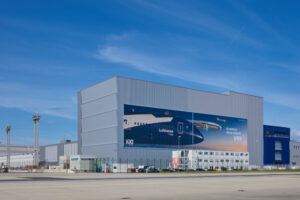
    Lufthansa Cargo avvia la prima fase del progetto LCCevo nell’aeroporto di Francoforte da 600 milioni di euro, che entro il 2030 trasformerà il Lufthansa Cargo Center nello scalo aereo merci più moderno d'Europa. In parallelo la compagnia lancia nuovi servizi digitali su WeChat per il mercato cinese.

Ferrovia

  • Paesi Bassi e Belgio finanziano ferrovia Gent-Terneuzen

    Paesi Bassi e Belgio finanziano ferrovia Gent-Terneuzen

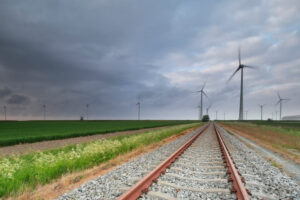
    I Governi dei Paesi Bassi e Belgio stanziano 240 milioni di euro in parti uguali per potenziare il collegamento ferroviario merci tra Gent e Terneuzen nell'area portuale di North Sea Port, con l'obiettivo di rafforzare il trasporto su rotaia nel polo industriale di Zeeland.

Persone

  • Britta Weber assume la guida di Hupac

    Britta Weber assume la guida di Hupac
    Dal 1° luglio 2026 Britta Weber è la nuova amministratrice delegata del Gruppo Hupac, prima donna al vertice dell'azienda nei suoi quasi 60 anni di storia. Arriva da Ups e punta a rilanciare il trasferimento modale partendo dai terminal di Busto Arsizio e Milano Smistamento.
Yale rinnova la gamma carrelli elettrici Erc-VG2

TECNICA

Yale rinnova la gamma carrelli elettrici Erc-VG2
Un nuovo pallet in plastica per alimentari

TECNICA

Un nuovo pallet in plastica per alimentari
Unece adotta il primo regolamento globale sulla guida autonoma

TECNICA

Unece adotta il primo regolamento globale sulla guida autonoma
Stoneridge presenterà allo Iaa 2026 nuovo software per camion

TECNICA

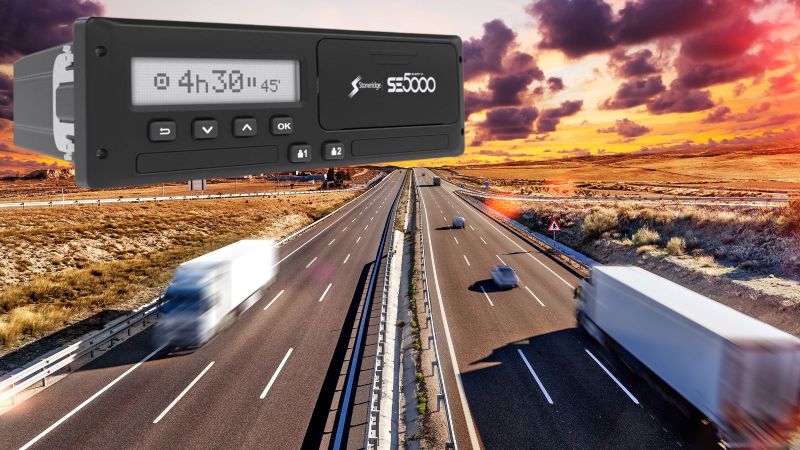
Stoneridge presenterà allo Iaa 2026 nuovo software per camion
Video | le novità Volvo Trucks per il 2026

TECNICA

Video | le novità Volvo Trucks per il 2026
previous arrow
next arrow
Doppia mobilitazione del SiCobas nella logistica a luglio 2026

LOGISTICA

Doppia mobilitazione del SiCobas nella logistica a luglio 2026
Indagine anche per dolo sull’incendio alla Brt di Milano

LOGISTICA

Indagine anche per dolo sull’incendio alla Brt di Milano
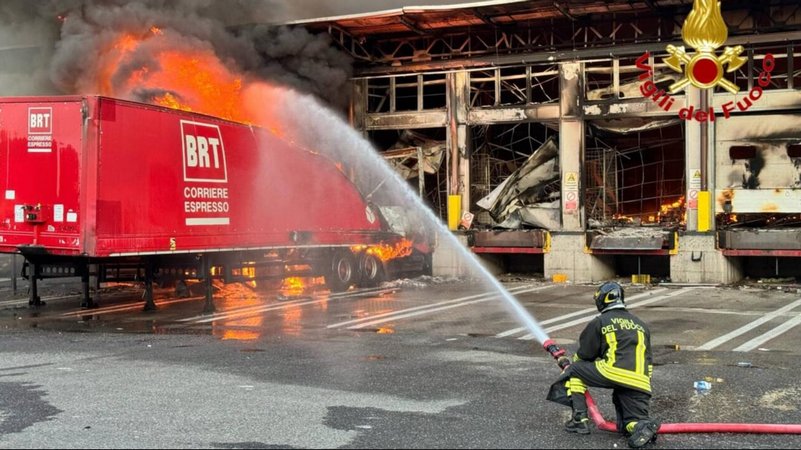
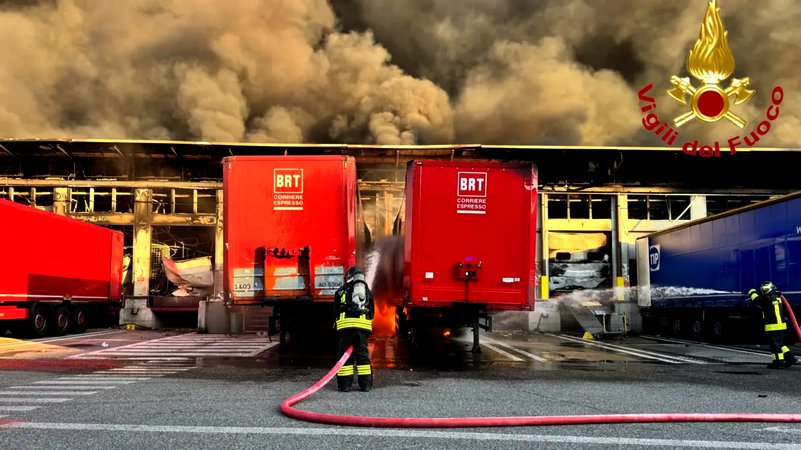
Colpito da un incendio un magazzino Brt di Milano

LOGISTICA

Colpito da un incendio un magazzino Brt di Milano
A Milano sequestro da 28 milioni nella logistica

LOGISTICA

A Milano sequestro da 28 milioni nella logistica
Interporto Padova incorpora la società fieristica Padova Hall

LOGISTICA

Interporto Padova incorpora la società fieristica Padova Hall
previous arrow
next arrow
Sequestro da 60 milioni per frode sui carburanti

ENERGIE

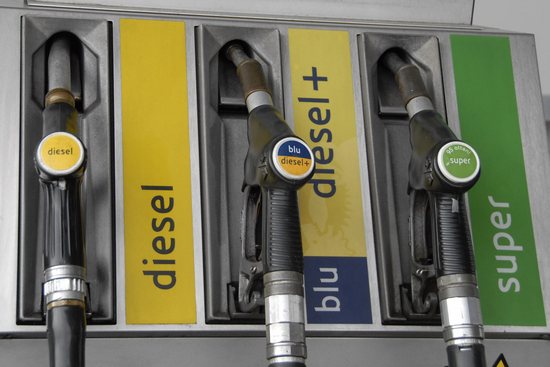
Sequestro da 60 milioni per frode sui carburanti
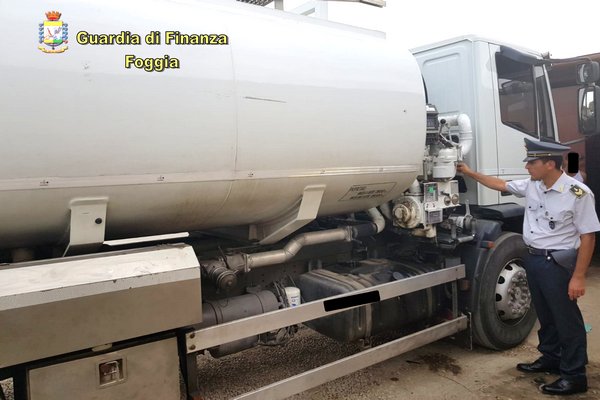
Gasolio agricolo sui camion, cinque arresti in Puglia

ENERGIE

Gasolio agricolo sui camion, cinque arresti in Puglia
Il Gnl cresce in Italia ma rallenta nell’autotrasporto

ENERGIE

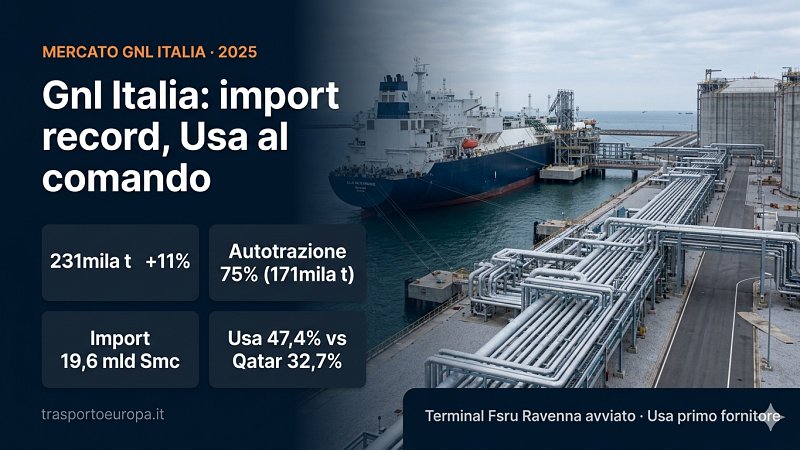
Il Gnl cresce in Italia ma rallenta nell’autotrasporto
Fiap avverte che una causa sul cartello carburante è prematura

ENERGIE

Fiap avverte che una causa sul cartello carburante è prematura
Bruxelles approva il regime italiano da 23 miliardi per le rinnovabili

ENERGIE

Bruxelles approva il regime italiano da 23 miliardi per le rinnovabili
previous arrow
next arrow
Con Webfleet Di Martino traccia sempre i semirimorchi

SERVIZI

Con Webfleet Di Martino traccia sempre i semirimorchi
Havant cresce nel digitale europeo con Intesa

SERVIZI

Havant cresce nel digitale europeo con Intesa
Connettere le flotte di camion l’IA, la soluzione di Geotab

SERVIZI

Connettere le flotte di camion l’IA, la soluzione di Geotab
La logistica è tra le attività più colpite dai ciberattacchi nel 2025

SERVIZI

La logistica è tra le attività più colpite dai ciberattacchi nel 2025
Il rischio Dogana non è più solo amministrativo

SERVIZI

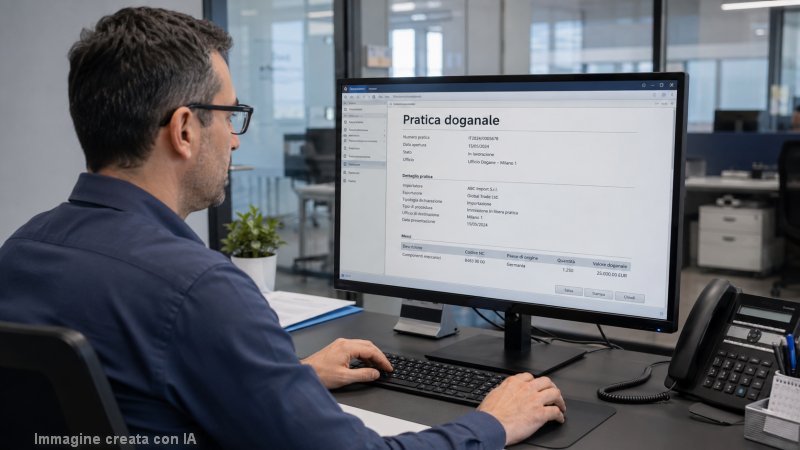
Il rischio Dogana non è più solo amministrativo
Sicurezza certificata da Tapa nella borsa carichi Trans.eu

SERVIZI

Sicurezza certificata da Tapa nella borsa carichi Trans.eu
Due attentati a Sicily by Car con fuoco e kalashnikov

SERVIZI

Due attentati a Sicily by Car con fuoco e kalashnikov
L’innovazione di Geotab punta su sicurezza e Pmi

SERVIZI

L’innovazione di Geotab punta su sicurezza e Pmi
Gaston Schul cresce nelle spedizioni genovesi con Parodi Forwarding

SERVIZI

Gaston Schul cresce nelle spedizioni genovesi con Parodi Forwarding
L’Italia è molto esposta nel cibercrimine nel trasporto e logistica

SERVIZI

L’Italia è molto esposta nel cibercrimine nel trasporto e logistica
Carta DKV per ricaricare il camion elettrico

SERVIZI

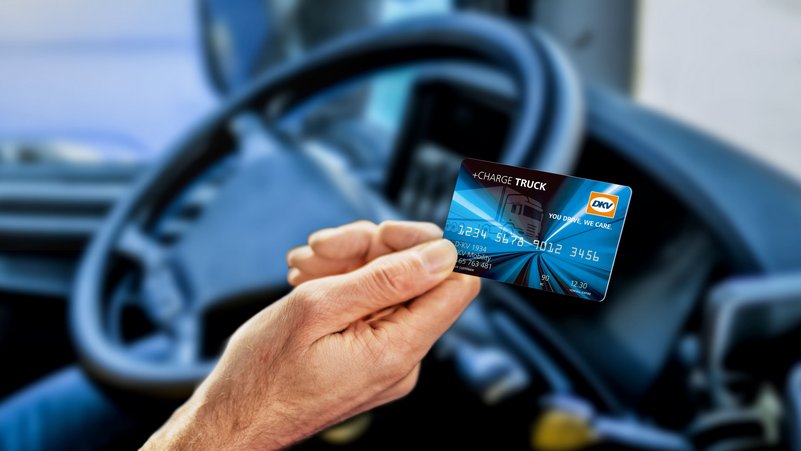
Carta DKV per ricaricare il camion elettrico
Video | Dkv al Transpotec oltre la carta carburante

SERVIZI

Video | Dkv al Transpotec oltre la carta carburante
Zucchetti presenta una logistica digitale integrata software e robot

SERVIZI

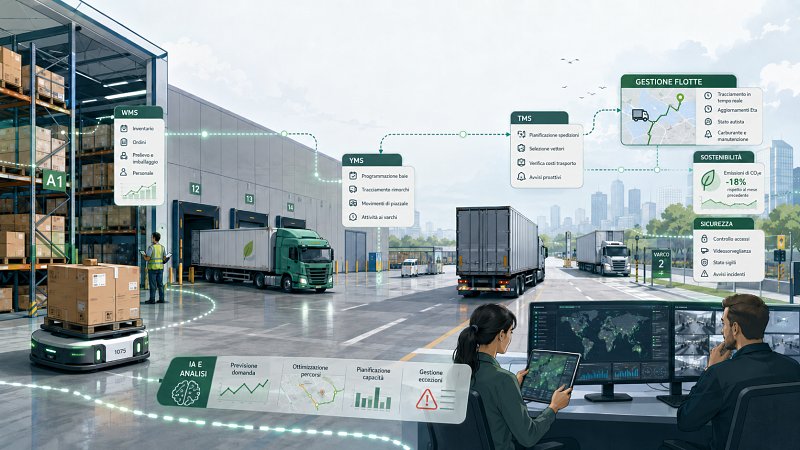
Zucchetti presenta una logistica digitale integrata software e robot
Golia360 punta sulla digitalizzazione per gli autisti

SERVIZI

Golia360 punta sulla digitalizzazione per gli autisti
Come la logistica può guadagnare dalle multe Antitrust

SERVIZI

Come la logistica può guadagnare dalle multe Antitrust
previous arrow
next arrow