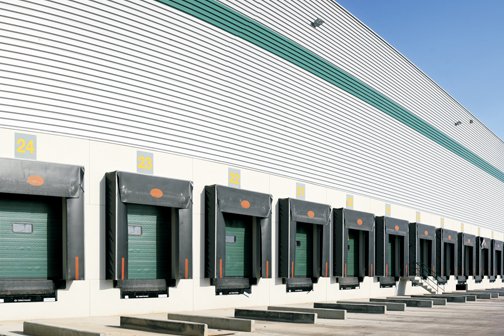








Prologis and the Canadian fund Caisse de Depot et Placement du Quebec announced on 9 April 2026 the creation of a joint venture dedicated to the acquisition and management of logistics real estate in Europe. The initiative brings together one of Canada’s leading institutional investors and the world’s largest owner of industrial real estate, with an initial portfolio spanning France, Germany, the Netherlands, Sweden and the United Kingdom. A controlling 70% stake is held by Caisse, while Prologis participates as the operating and industrial partner.
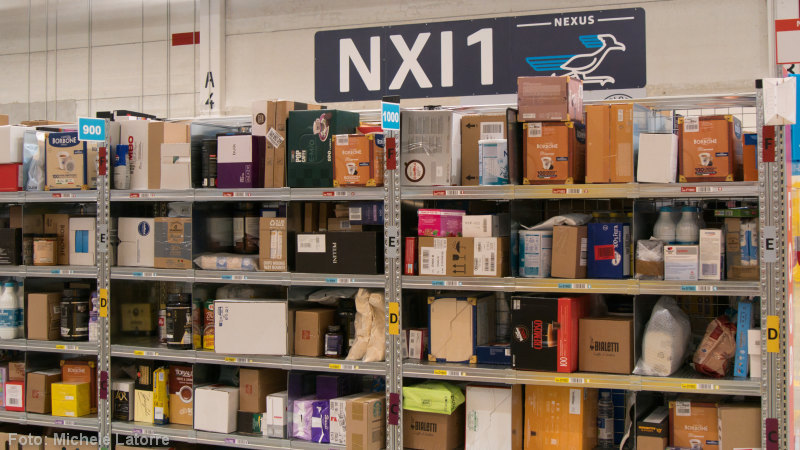
According to the companies, the vehicle will launch with operating assets valued at around €1 billion and will be progressively expanded through new acquisitions and development projects. The aim is to build a scalable platform capable of capturing growing demand for logistics space in Europe, in a context marked by the reorganisation of supply chains.
The macroeconomic environment remains complex. The commercial real estate sector is undergoing a recovery phase following the surge in inflation in 2022, but it remains exposed to new pressures linked to bond yield trends, a key parameter in asset valuation. The recent increase in yields has put pressure on previously agreed transactions, affecting the financial sustainability of investments. In the logistics segment, geopolitical tensions, particularly the conflict in the Middle East, are introducing further uncertainty. Rising energy and fuel costs may compress company margins, with potential effects on their ability to sustain rental payments. However, institutional investors continue to view the segment as strategic over the medium to long term.
Christina Forrest, Managing Director, European Real Estate at Caisse, explained that the transaction is geared towards structural growth prospects rather than short-term results, underlining a willingness to maintain the commitment even in the presence of volatility. She also highlighted the role of supply chain transformation, already underway during the pandemic, which continues to drive the relocation of production activities closer to end markets. On the operational side, tenants within the Prologis portfolio are continuing to make leasing decisions despite the uncertain backdrop, as noted by Ben Bannatyne, President of Prologis Europe. This points to demand that remains active and driven more by structural than cyclical factors.
Another important element concerns supply. Higher financing costs are making developers more cautious about launching new projects without pre-let agreements, resulting in a reduction in new supply entering the market. In several European markets, already characterised by limited construction activity in recent years, this dynamic could further widen the imbalance between demand and available space.