




In October 2025, the Italian market for industrial vehicles over 3.5 tonnes showed clear signs of recovery. According to Unrae’s monthly analysis based on data from the Ministry of Transport, new registrations reached 2,600 units, up 19.2% from 2,181 in October 2024. The segment therefore recorded a solid monthly rise, which has yet to offset the cumulative decline seen over the first ten months of the year.
By weight class, medium vehicles between 6.01 and 15.99 tonnes increased from 254 to 303 registrations (+19.3%), while heavy vehicles above 16 tonnes showed the strongest growth, up 20% (2,245 units compared with 1,871). Within this category, road tractors recorded the most significant increase, up 24.1% with 1,301 registrations compared with 1,048 a year earlier, while chassis cabs rose by 14.7%, from 823 to 944 units. The only negative figure came from light vehicles between 3.51 and 6 tonnes, down 7.1% with 52 registrations compared with 56 in 2024.
Overall, from January to October 2025, the market for vehicles over 3.5 tonnes totalled 23,315 registrations, a 5.5% decline compared with 24,680 in the same period of 2024. The positive performance in October therefore signals a recovery trend, but volumes remain below last year’s levels.
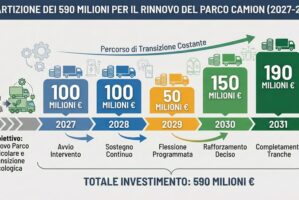
In terms of support measures, Unrae welcomed the inclusion in the 2026 Budget Law of an extraordinary €590 million plan for 2027–2031, aimed at scrapping the oldest and most polluting vehicles. The association hopes that resource management will follow the guidelines of the “programme for the decarbonisation of road freight transport”, already defined with other automotive and transport industry associations.
Following the decree allocating €13 million for the renewal of the heavy vehicle fleet in 2025, the association now awaits the implementing measure that will enable companies to access the incentives. Unrae also calls for the additional €6 million provided under the Infrastructure Decree to be made available quickly and, where possible, merged with the main scheme to avoid fragmented and uneven fund management.
At European level, the association expressed its appreciation for the EU Environment Council’s decision to postpone the introduction of the Emissions Trading System (ETS 2) for road transport to 2028, originally planned for 2027. Unrae believes this delay could give the sector greater flexibility during the transition towards emissions reduction and the progressive decarbonisation of fleets.