



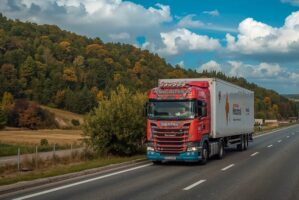

The Italian industrial vehicle market suffered a dramatic setback in June 2025, recording a sharp drop of 29.5% compared to June 2024. According to Unrae, registrations of vehicles over 3.5 tonnes totalled just 2,539 units, a significant decrease from the 3,600 units registered in the same month last year. The downturn affected all weight categories: light vehicles between 3.51 and 6 tonnes fell by 27.2%, those between 6.01 and 15.99 tonnes lost more than half their volume with a 52.7% drop, while heavy vehicles over 16 tonnes declined by 26.5%. Within this last segment, rigids fell by 32.2% and articulated trucks by 21.6%.
The entire first half of 2025 closed with a negative balance of 14.1%, confirming a downward trend that can no longer be dismissed as occasional. As early as May, the market had recorded an 18.7% collapse, with a particularly sharp contraction among articulated trucks, pointing to structural difficulties within the sector.
According to Paolo A. Starace, president of Unrae’s Industrial Vehicles Section, the June figures, also affected by the comparison with last year’s peak—when registrations were driven by the upcoming enforcement of the European GSR2 safety regulation—reveal an extremely complex economic situation. Starace emphasises that the shrinking volumes are seriously jeopardising the sustainability of structural costs for companies in the sector, with a real risk of negative repercussions on employment throughout the supply chain.
Unrae has repeatedly drawn the attention of institutions to the growing challenges facing a sector considered strategic for the national economy. A joint statement was recently sent to ministerial leaders, but Starace points out that such appeals have gone unanswered, both formally and substantively. This lack of response appears even more troubling in light of the worsening international climate, which is fuelling further uncertainty about the future.
Given this scenario, Unrae is once again calling for a revision of political priorities, advocating for a more balanced use of available resources. According to Starace, a different allocation of public investment, aimed at effectively addressing the urgent needs of the industrial vehicle sector, could bring immediate benefits, boosting the recovery of the segment and helping to safeguard the country’s productive and employment base.