







According to the Excelsior Information System bulletin by Unioncamere, Italian companies plan to hire around 520,000 people in October 2025 and more than 1.3 million over the October–December quarter. Compared with the same period in 2024, there is a slight decline, but demand for workers remains strong, coupled with a growing shortage of available candidates affecting 46.8% of vacancies. The main reasons are the scarcity of applicants (29.7%) and inadequate professional preparation (13.3%).
Within this broader context, the transport, logistics and warehousing services sector stands out for both sustained demand and the intensity of recruitment challenges. It is among the sectors with the highest reliance on foreign labour: in October, 27.2% of planned hires will be covered by immigrant workers. This places the sector among Italy’s top six in this respect, just after agriculture, construction, and the textile, metalworking and operational services industries.
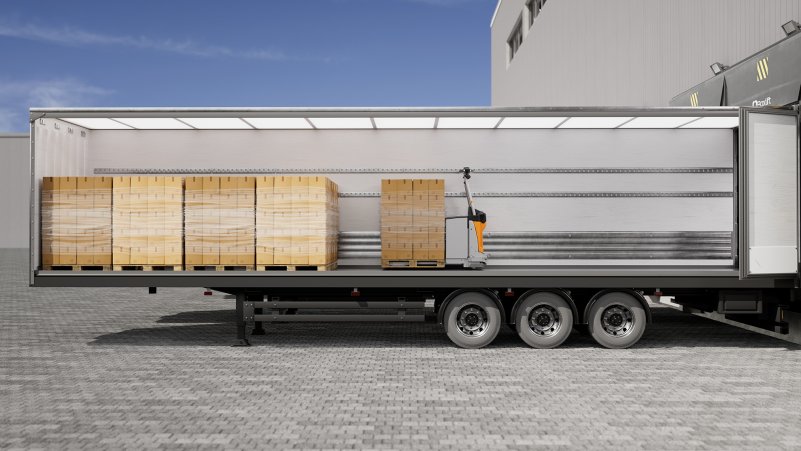
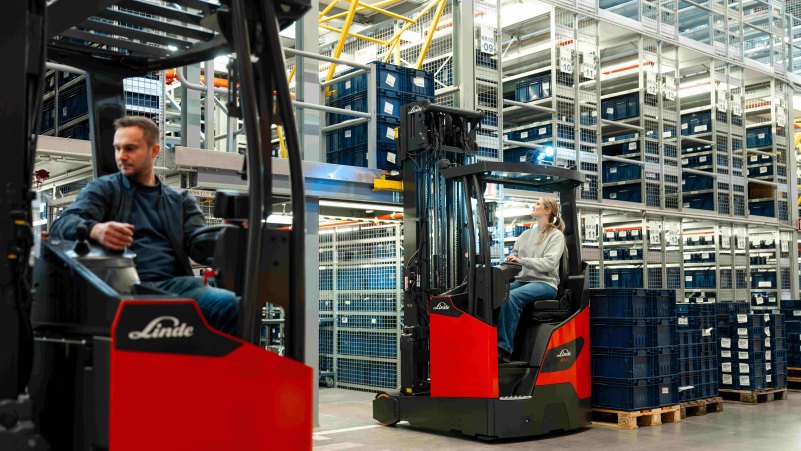
Overall, logistics and transport companies are seeking 61,850 workers in October 2025, with total demand for the October–December quarter reaching 152,790. These figures mainly concern four professional categories: unskilled staff for goods handling and delivery (31,670 hires in October and 74,890 in the quarter), motor vehicle drivers (22,070 and 56,350), operators of earthmoving, lifting and material-handling machinery (4,340 and 11,910), and administrative staff for logistics management (3,770 and 9,640).
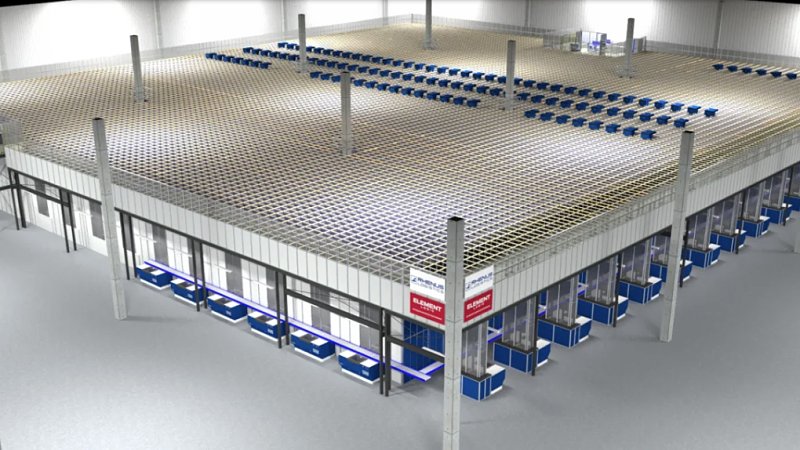
Most of the recruitment involves operational profiles, but demand is also increasing for workers with technical and managerial expertise, consistent with the sector’s ongoing transformation. The automation of warehouses, the spread of digital goods-tracking systems and the gradual integration of different transport modes are driving companies to look for candidates with specific knowledge of supply chain management. Meanwhile, the continuing growth of e-commerce is impacting distribution volumes and boosting the need for more extensive last-mile delivery networks.
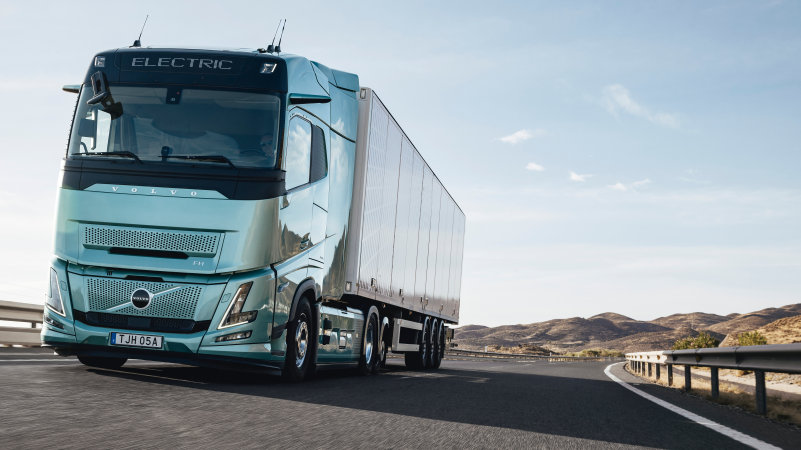
Excelsior data show that among the most sought-after professions in the sector are motor vehicle drivers, with a particularly high recruitment difficulty rate of 57.7%. They are followed by unskilled goods handling and delivery workers, with a difficulty rate of 33%, operators of earthmoving, lifting and material-handling machinery (52.6%), and administrative staff for logistics management (36.9%).