





Array ( [0] => 8 [1] => 39 )

Podcast K44

Cronaca

  • Controllo straordinario sui camion in Germania sull’A2

    Controllo straordinario sui camion in Germania sull’A2

    La Polizia autostradale tedesca di Bielefeld ha controllato circa 130 veicoli industriali sulle aree di servizio Lipperland Nord e Sud, tra Bielefeld e Herford. Contestate 87 infrazioni, di cui 35 su tempi di guida e riposo. La Dogana ha avviato ulteriori verifiche su lavoro irregolare e salario minimo.

Transpotalk

Normativa

Mare

  • Pesanti attacchi a navi cargo nel Mar Nero

    Pesanti attacchi a navi cargo nel Mar Nero

    Droni hanno colpito due navi cargo nel Mar Nero, il giorno dopo l'affondamento della Royad Mammadov, diretta a Ravenna, al largo della Romania. Una nave è affondata e il suo equipaggio risulta disperso, mentre i 18 marinai dell'altra sono stati salvati dopo un incendio a bordo.

Autotrasporto

  • Fusione miliardaria nell’autotrasporto Usa

    Fusione miliardaria nell’autotrasporto Usa

    L'accordo annunciato il 5 ottobre 2026 unisce due dei principali intermediari del trasporto stradale nordamericano, C.H. Robinson e Rxo. La chiusura è prevista nel primo semestre 2027, dopo il voto degli azionisti Rxo e le autorizzazioni regolatorie. L'obiettivo è attuare 300 milioni di dollari di sinergie annue entro due anni.

    Istria seeks integration into European rail corridors

    Within a few years, the railways of the Istrian peninsula—part of Croatian territory—are set to be transformed and integrated into the continent’s freight corridors. It marks a significant leap forward: from modest local lines that have seen little change since their origins, the goal now is to bring the region’s infrastructure up to full European standards. While the network managed by HŽ Infrastruktura has already been modernised in northeastern Croatia, starting from Zagreb, Istria has been left largely behind. That imbalance is now being addressed.

    The first investment by Croatian Railways, soon to enter the construction phase, focuses on the complete upgrade of the central route stretching from Buzet (Pinguente), near the Slovenian border, to Sveti Petar u Šumi (San Pietro in Selve), some fifty kilometres to the south. This section is part of a broader corridor linking Divača (Divaccia) in Slovenia to the southern tip of Istria and the port of Pula (Pola).

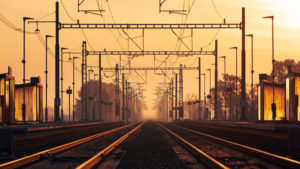
    The works include a full overhaul of the railway bed, with complete replacement of the track structure - ballast, sleepers and rails - as well as the reinforcement and reconstruction of bridges and culverts, and the installation of a modern signalling and safety system. The Croatian network operator estimates three years of work on what is just the first segment in a comprehensive plan to rehabilitate Istrian railways and restore freight services, which have so far played a marginal role. The entire corridor from the Slovenian border to Pula will be electrified.

    Following the modernisation of the Buzet–Sveti Petar u Šumi line, further interventions are planned, particularly the construction of a new direct connection - currently non-existent - linking Lupoglav (Lupogliano) with Rijeka (Fiume). This would require the construction of a long tunnel beneath the Učka mountain range (Monte Maggiore). A glance at a map reveals the strategic value of this future route, which would connect and integrate central and southern Istria with Croatia’s core network, giving the entire region a decisive boost and embedding it in the broader system of connections between ports and European corridors heading north.

    If the project reaches completion—as now seems likely—it could also revive interest in reopening a currently suspended railway line closed due to a landslide, with Lupoglav as its central point. Reinstating this route would allow trains to reach Raša (Arsia), further enhancing Istria’s potential as a logistics hub.

    The modernisation of Croatia’s railway network is being driven by a national investment plan that has focused on key routes such as the line from Zagreb to Vinkovci, where maximum speeds have been increased to 160 km/h, compared to earlier limits as low as 80 km/h in some sections. For new electrifications, the system adopted is 25 kV alternating current, in line with the best European standards, and some previously electrified lines using different systems have been converted—an almost unique case in Europe.

    Piermario Curti Sacchi

    © TrasportoEuropa - Riproduzione riservata - Foto di repertorio

    Segnalazioni, informazioni, comunicati, nonché rettifiche o precisazioni sugli articoli pubblicati vanno inviate a: redazione@trasportoeuropa.it


      Puoi commentare questo articolo nella pagina Facebook di TrasportoEuropa

      bottone newsletter piccolo Vuoi rimanere aggiornato sulle ultime novità sul trasporto e la logistica e non perderti neanche una notizia di TrasportoEuropa? Iscriviti alla nostra Newsletter con l'elenco ed i link di tutti gli articoli pubblicati nei giorni precedenti l'invio. Gratuita e NO SPAM!


    CONTENUTI SPONSORIZZATI


Videocast K44

Aereo

  • La domanda di cargo aereo supera la capacità ad agosto 2026

    La domanda di cargo aereo supera la capacità ad agosto 2026

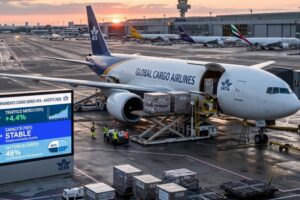
    Le rilevazioni della Iata ad agosto 2026 mostrano che il trasporto merci aereo mondiale è cresciuto del 4,4% su base annua mentre la capacità è sostanzialmente stabile, portando il riempimento al 46%. Guidano Nord America e Asia-Pacifico, arretrano i corridoi mediorientali e il cherosene sale a 157 dollari al barile.

Ferrovia

  • Duisport potenzia i collegamenti ferroviari da Trieste

    Duisport potenzia i collegamenti ferroviari da Trieste

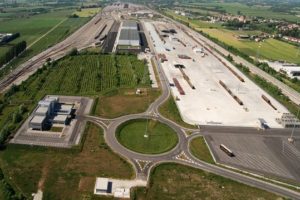
    Duisport porta a quattro le circolazioni settimanali sia sul servizio intermodale Cervignano-Duisburg sia sulla navetta tra il terminal Plt Hhla Italy e l'Interporto di Cervignano. Il servizio, gestito da +.intermodal si basa su un modello neutrale e prevede l'estensione a Wels, in Austria, dal prossimo anno.

Persone

  • L’autotrasporto veronese perde Francesco Corsi

    L’autotrasporto veronese perde Francesco Corsi

    Il 26 settembre 2026 è morto nella sua casa di Colognola ai Colli l’autotrasportare veneto Francesco Corsi. Cominciò nel 1960 con un Leoncino e l’omonima azienda Corsi, specializzata nel trasporto logistica a temperatura controllata e insediata nell'interporto Quadrante Europa di Verona.
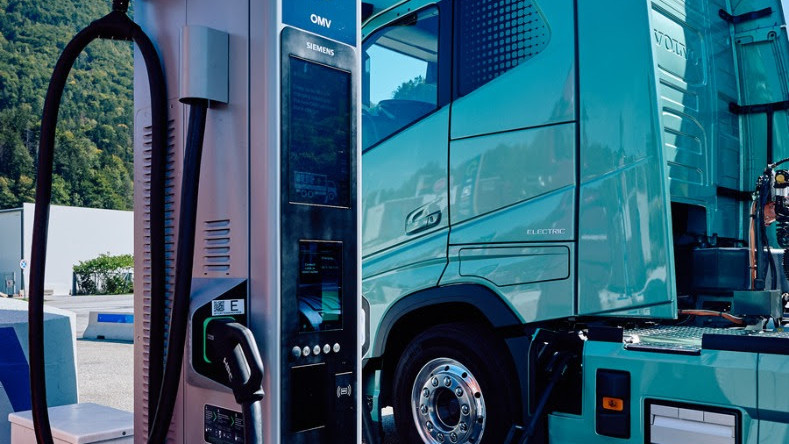
L’elettrico Volta Zero torna allo Iaa 2026

TECNICA

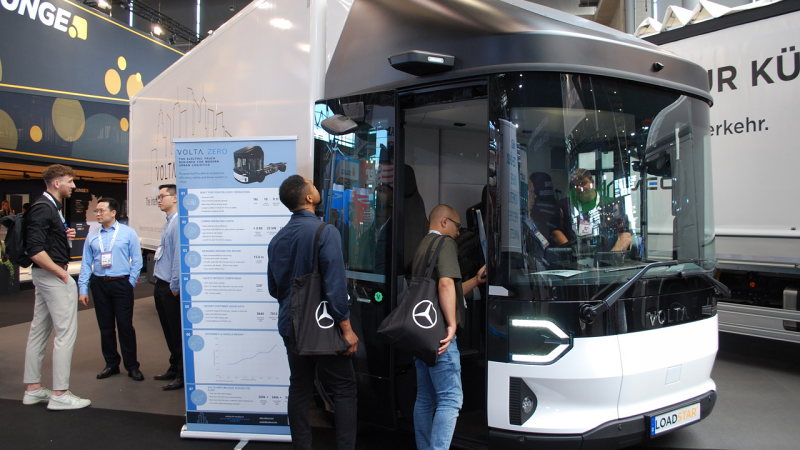
L’elettrico Volta Zero torna allo Iaa 2026
previous arrow
next arrow
Parte la riforma del Codice Doganale europeo

LOGISTICA

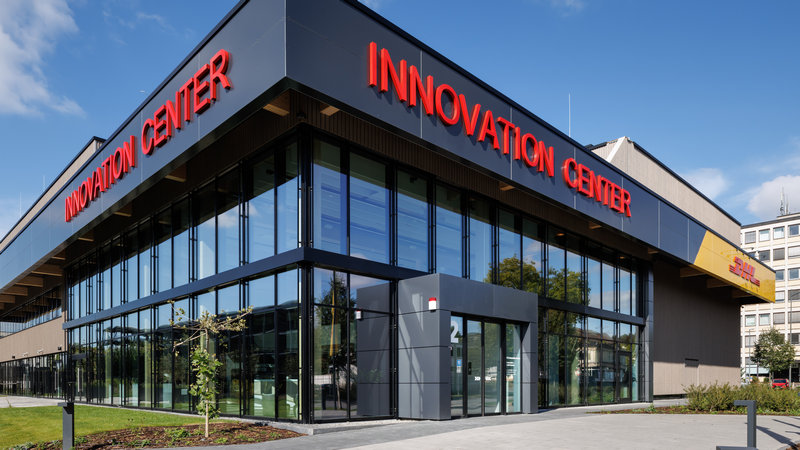
Parte la riforma del Codice Doganale europeo
previous arrow
next arrow
Scoperta a Venezia una frode sui carburanti

ENERGIE

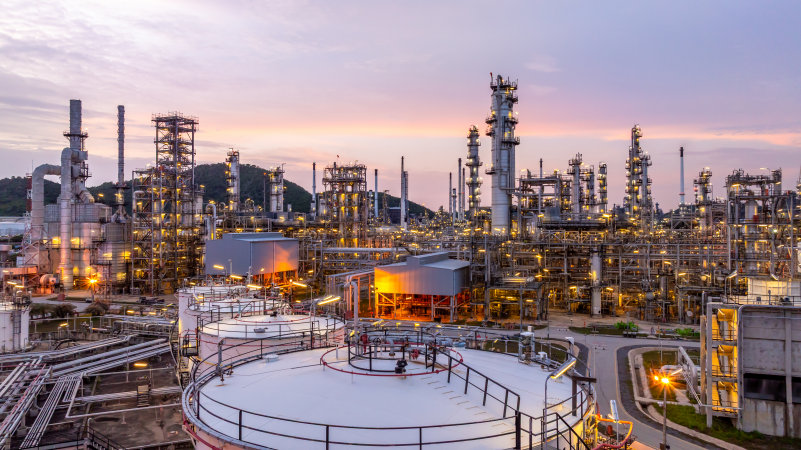
Scoperta a Venezia una frode sui carburanti
previous arrow
next arrow
Sanilog avvia una nuova campagna oncologica

SERVIZI

Sanilog avvia una nuova campagna oncologica
previous arrow
next arrow