







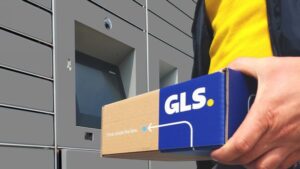
Gls is strengthening its expansion strategy in e-commerce logistics through a new partnership with Quadient, the Paris-listed company specialising in intelligent automation. The agreement, announced on 12 November 2025, introduces Quadient’s agnostic lockers nationwide within the Gls Out of Home network, with the aim of increasing the density of pickup points and offering more flexible parcel delivery options.
The company already operates an extensive network of more than 10,000 pickup points in Italy, including Gls Shops, lockers and City Depots. In recent months, it has passed the threshold of one hundred active lockers in several major urban areas, including Milan, Turin, Bologna and Rome. These are complemented by new partnerships with shopping centre operators, supermarket chains and retail players to expand access to pickup points in high-traffic locations.
The five-year collaboration with Quadient includes the installation of hundreds of agnostic lockers, designed to accommodate shipments from multiple couriers within a single infrastructure. The model, already tested in other European markets, optimises the use of space, reduces costs and supports more sustainable urban deliveries. The goal is to streamline access to pickup services, meeting consumers’ need for flexibility while improving last-mile logistics management.
According to Guido Pietro Bertolone, chief executive of Gls Italy, the partnership with Quadient marks an important step in the company’s Ooh network innovation strategy. Bertolone noted that “36% of European consumers prefer a delivery method other than home delivery”, adding that the expansion of lockers will provide a more convenient and widespread service, benefiting both buyers and online sellers.
From Quadient’s side, Benoit Berson, head of the Lockers division, highlighted that the agreement with Gls is the group’s first strategic alliance in Italy and forms part of a European plan to develop an open, shared locker network. Collaboration with major couriers, Berson added, aims to build a sustainable and interconnected infrastructure capable of enhancing the efficiency and flexibility of parcel distribution.