



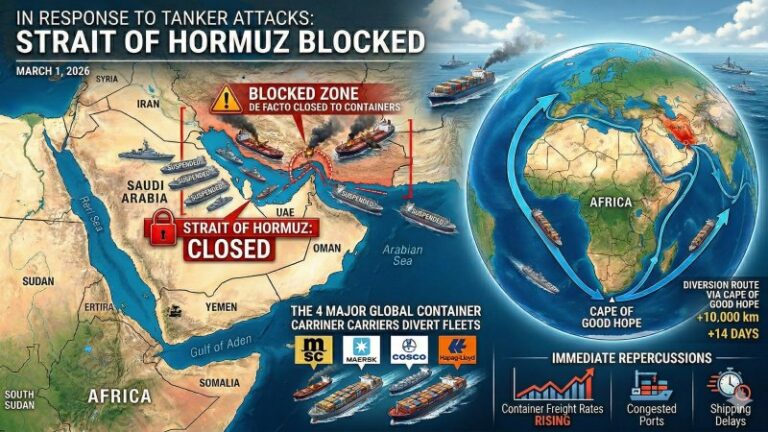
- In response to tanker attacks on 1 March 2026 in the Strait of Hormuz and the Gulf of Oman, the world’s four leading container carriers have suspended transits in the region and ordered their fleets to divert via the Cape of Good Hope. The Strait of Hormuz is considered by industry analysts to be “effectively closed” to container traffic, with immediate repercussions for ports, freight rates and shipment planning.
- Hapag-Lloyd introduced a war risk surcharge of 1,500 US dollars (around 1,380 euros) per TEU on trades to and from the Persian Gulf from 2 March 2026, with higher rates for refrigerated and special cargo. MSC has suspended cargo bookings for the region, while CMA CGM has simultaneously halted transits in the Red Sea, extending the ban to the Suez Canal corridor.
- The European Union has extended the mandate of the naval operation Eunavfor Aspides until 28 February 2027. The defensive mission, active in the Red Sea and adjacent waters, has been allocated nearly 15 million euros for the period March 2026 to February 2027. The operation has been reinforced with additional naval units in response to rising requests for protection from shipowners.
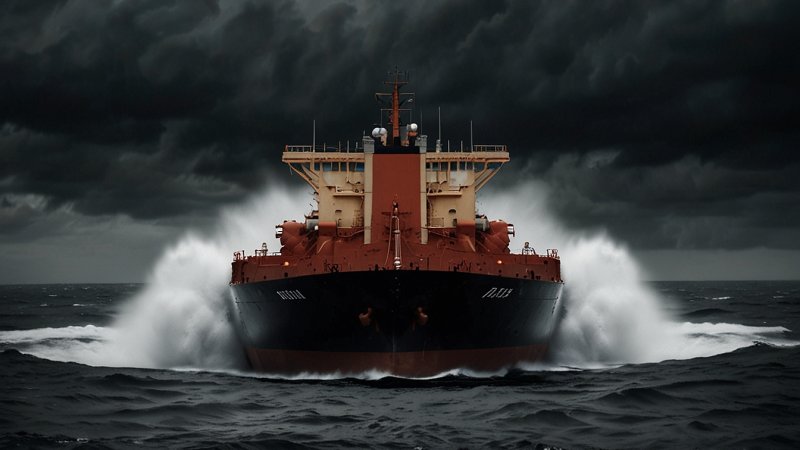
The war between the United States and Israel and Iran has placed the entire Middle East at the centre of concerns for global maritime transport. On 1 March 2026, at least three tankers were attacked in the area between the Strait of Hormuz and the Gulf of Oman, leaving one seafarer dead and several injured. The incidents are linked to Iranian retaliation following air strikes carried out by the United States and Israel on targets in Iran. Container shipping lines reacted immediately.
Maersk announced the indefinite suspension of all transits through the Strait of Hormuz, stating that the safety of crews, vessels and cargo is its absolute priority and warning of possible delays, route changes and schedule adjustments for Gulf ports. The Danish carrier, among the first to halt transits during the 2024 Houthi crisis in the Red Sea, issued an official statement highlighting potential damage to calls in the United Arab Emirates, Oman and Qatar.
Hapag-Lloyd has taken action on the pricing front. From 2 March 2026, a war risk surcharge of 1,500 US dollars (around 1,380 euros) per TEU has come into force on trades to and from the Persian Gulf, rising to 3,500 US dollars (around 3,220 euros) for refrigerated cargo and special goods, with certain exceptions for traffic governed by specific contracts. The move reflects a surge in marine insurance war risk premiums in the area, which industry analysts say have reached levels comparable to the peaks recorded in the Black Sea following Russia’s invasion of Ukraine in 2022.
MSC has ordered all its vessels in or approaching the Gulf to proceed to areas of “safe shelter”, while suspending cargo bookings for the region until further notice.
CMA CGM has broadened the scope of its suspension. In addition to Gulf operations, it has halted transits in the Red Sea and the Bab el-Mandeb corridor, instructing vessels to reroute via the Cape of Good Hope. The combination of the two crisis fronts — the Persian Gulf and the Red Sea — has effectively interrupted Asia–Europe services via the Suez Canal.
The consequences for global fleet deployment are significant. According to industry analyst estimates, around 170 container ships with a combined capacity of 450,000 TEU have been displaced or rerouted. Diverting via the Cape of Good Hope adds an average of around ten days to Asia–Europe sailings, increasing operating costs for fuel, crews and vessel utilisation. The same corridor had already become the main alternative route during the 2024 Houthi attacks and is now once again absorbing the vast majority of container flows between the two continents.
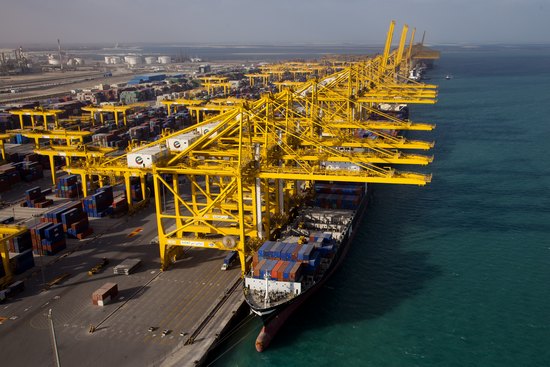
On the port side, the impact is uneven but overall severe. Jebel Ali, the United Arab Emirates’ main container hub, has suspended container operations for security reasons. The port of Bahrain has halted all activities. The port of Duqm in Oman is closed following damage caused by drones. Iranian Gulf ports — including Bandar Abbas — are no longer being called by any of the main carriers. The Israeli port of Eilat on the Red Sea has been closed for some time. Only a handful of smaller terminals, such as Ruwais in the United Arab Emirates, remain operational, albeit with an elevated ISPS security level and highly volatile schedules.
In the southern Red Sea and the Bab el-Mandeb Strait, threats linked to the Houthis persist, with the corridor under pressure for more than a year. Demand for Suez Canal transits has fallen sharply as many carriers systematically opt for the southern route. The European Union has responded by extending the mandate of Eunavfor Aspides, the defensive naval mission active in the Red Sea and adjacent waters. The Council of the European Union has approved the extension until 28 February 2027, allocating nearly 15 million euros for March 2026 to February 2027. The High Representative for Foreign Affairs announced that the mission would be reinforced with additional naval units in response to growing escort requests from shipowners.
The Maritime Administration of the US Department of Transportation has recommended that US commercial vessels — by flag, ownership or crew — keep their distance from US military units and avoid the area between the Strait of Hormuz and the Gulf of Oman, citing the risk of mines and retaliatory attacks. The UK Maritime Trade Operations agency reported that one of the vessels struck was hit by an “unknown projectile” above the waterline, with a fire later brought under control.
On the insurance front, several marine insurers have suspended or limited cover for vessels bound for the Strait of Hormuz, while war risk premiums in the area have surged. Part of the so-called “shadow fleet” — vessels linked to Russian and Chinese energy exports, often uninsured in traditional markets — continues to operate in the region despite the risks, partly due to the lack of viable operational alternatives.
P.R.